






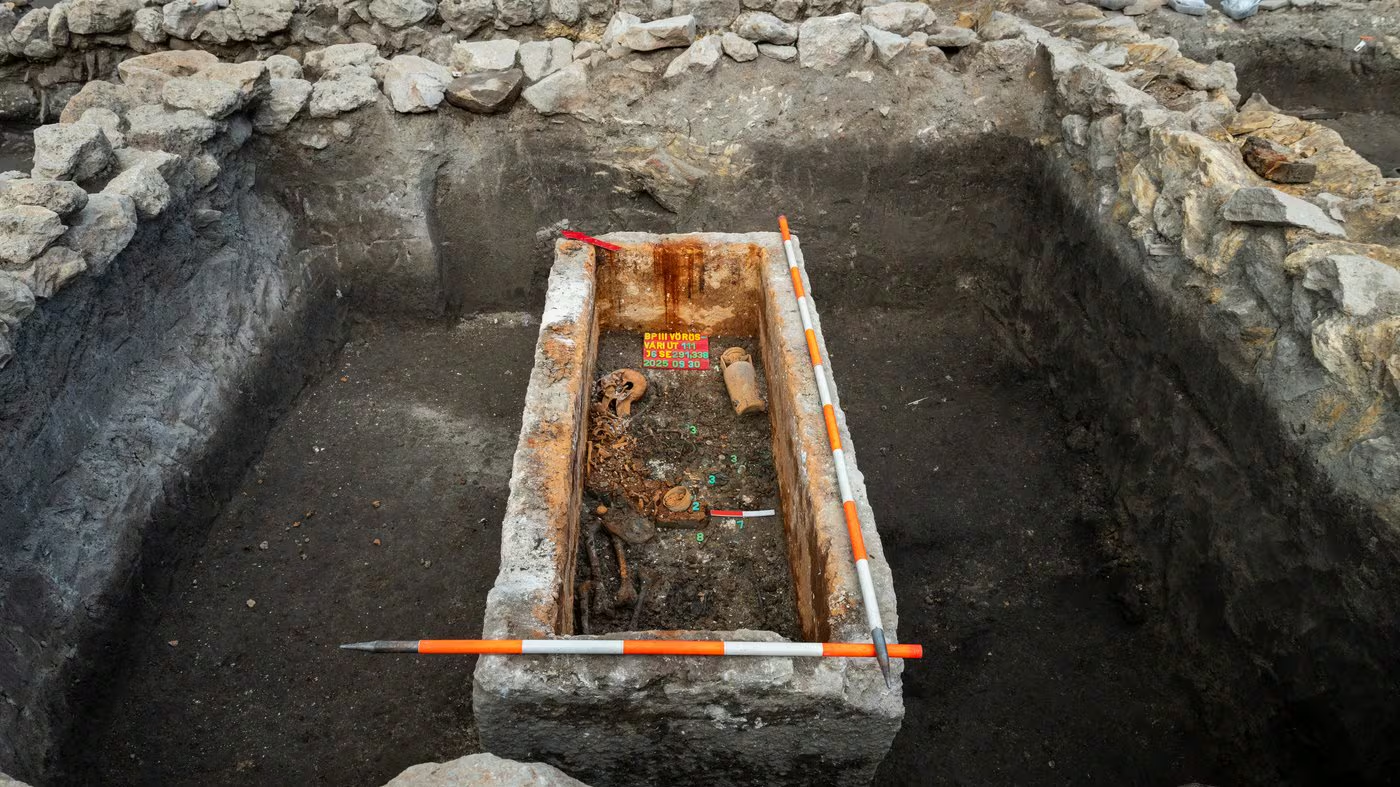
A team of archaeologists in Budapest has uncovered a 1,700-year-old Roman sarcophagus during routine excavation work at a construction site in the city. The rare find offers valuable clues about the presence and influence of the Roman Empire in the region nearly two millennia ago.
The stone sarcophagus, estimated to date back to the 3rd or 4th century, was found buried several feet underground. According to experts at the site, the coffin is carved from a single block of limestone and features decorative elements typical of Roman-era burials. Initial assessments suggest that it belonged to a person of prominence, though further analysis is required to determine their identity.
Archaeologists have begun a detailed examination of the sarcophagus, including its inscriptions, carvings and any objects found inside. Specialists are also studying soil samples and surrounding materials to better understand the burial environment and the historical context of the discovery.
Officials from Hungary’s heritage authority stated that such discoveries within modern urban areas are extremely rare and highlight the importance of ongoing archaeological surveys across Budapest. The find is expected to shed new light on the city’s ancient past and its role as part of the Roman province of Pannonia.
Once research and conservation work are completed, the sarcophagus may be moved to a local museum for public display. Further excavation at the site will continue to ensure that any additional artifacts from the period are properly documented and preserved.