






New Delhi: India on Thursday warned Pakistan of “painful consequences” for any “misadventure” against it, urging the neighbouring country to refrain from “war-mongering” and inflammatory rhetoric.
The strong statement from New Delhi came after Pakistan Army Chief Field Marshal Asim Munir issued nuclear threats and several Pakistani leaders, including Prime Minister Shehbaz Sharif and Defence Minister Khawaja Asif, made offensive comments against India.
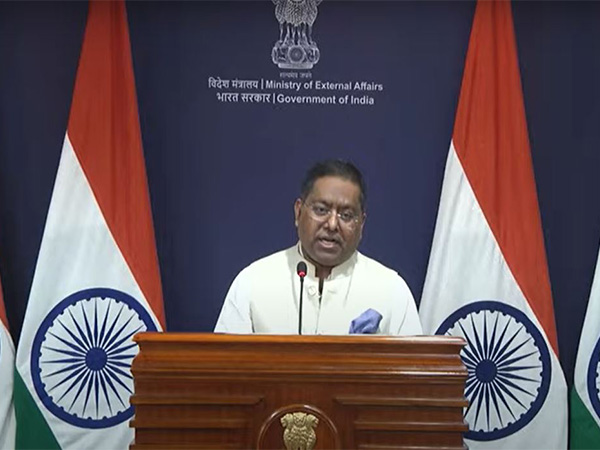
“We have observed a persistent pattern of reckless, war-mongering, and hostile remarks from Pakistani leadership towards India,” said External Affairs Ministry spokesperson Randhir Jaiswal at his weekly briefing.
He added, “It is a known tactic of the Pakistani leadership to stir anti-India sentiment repeatedly to deflect attention from their own shortcomings. Pakistan would do well to moderate its rhetoric, as any misadventure will have painful consequences, as demonstrated recently,” referring indirectly to India’s Operation Sindoor.
Last week, Munir, addressing the Pakistani diaspora in Tampa, Florida, reportedly stated that Pakistan could use nuclear weapons against India and “half the world” if it faced an existential threat. He also warned that Islamabad would target Indian infrastructure if water flow to Pakistan was disrupted.
In response, India on Monday said Munir’s remarks highlighted concerns about the integrity of Pakistan’s nuclear command and control, given the military’s links with terrorist groups. New Delhi reaffirmed that it will not succumb to nuclear blackmail.
Civilian Pakistani leadership has also intensified its rhetoric. Speaking in Islamabad earlier this week, Sharif pledged to “teach India a lesson” if it interfered with cross-border water flows, warning that not a single drop of water could be taken from Pakistan.
Operation Sindoor, launched by India on May 7, targeted terrorist infrastructure in Pakistan-administered territories in retaliation for the Pahalgam terror attack. The strikes led to four days of clashes, which ended on May 10 following a mutual understanding to halt military actions.
Jaiswal also rejected a recent ruling by the Permanent Court of Arbitration in The Hague regarding cross-border rivers. The court had directed India to allow Pakistan unrestricted use of waters from the western rivers under the Indus Waters Treaty.
“India has never recognized the legality, legitimacy, or authority of the so-called Court of Arbitration. Its pronouncements are without jurisdiction, lack legal standing, and do not affect India’s rights over water usage,” Jaiswal said.
He reiterated that India rejects Pakistan’s selective and misleading references to the ruling and pointed to a June 27 statement declaring that the Indus Waters Treaty “stands in abeyance.” “This sovereign decision by India was taken in response to Pakistan’s continued support for cross-border terrorism, including the brutal Pahalgam attack,” he added.