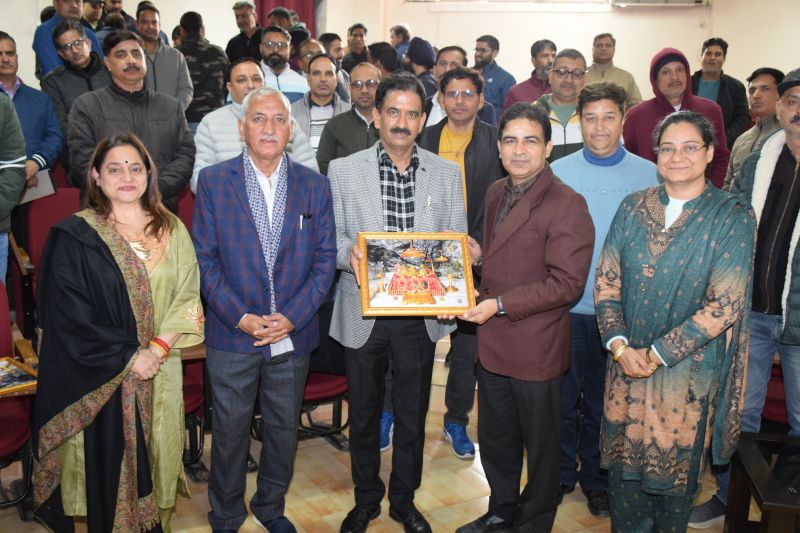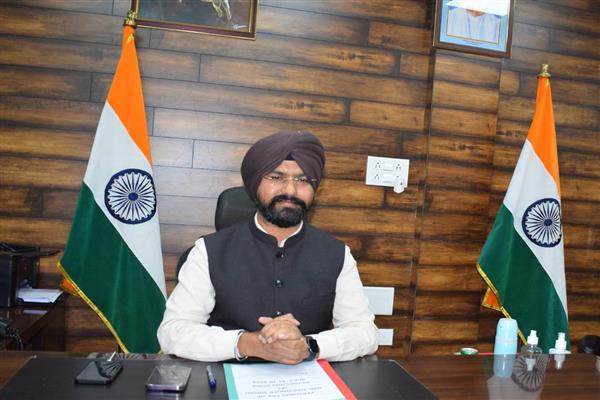







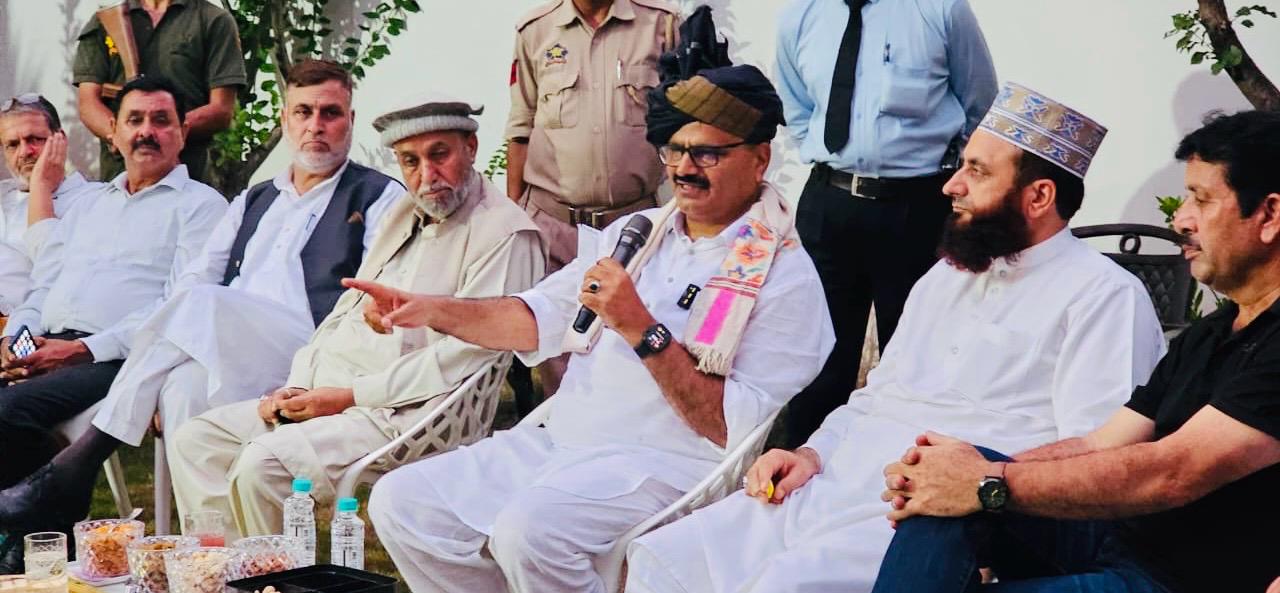
POONCH: Minister for Jal Shakti, Forest, Ecology & Environment, and Tribal Affairs, Javed Ahmed Rana, today conducted an interactive session with prominent intellectuals, former civil servants, and members of civil society in Poonch.
The session featured dynamic discussions on educational infrastructure, healthcare services, and broader developmental challenges in the district. Participants emphasized the urgent need for systemic reforms and proactive administrative measures to improve living standards, particularly in remote and underdeveloped areas.
Civil society representatives proposed a series of strategic initiatives aimed at fostering a more empathetic, inclusive, and ethically grounded society. They highlighted the significance of community engagement, youth empowerment, and value-based education in strengthening the district’s social fabric.
The members also urged the Minister to take measures to preserve and promote local culture, heritage, and indigenous tribal languages, recognizing these as vital components of Poonch’s identity. They further called for tangible improvements in health, education, and infrastructure sectors.
A major point of discussion was Poonch’s untapped tourism potential. Stakeholders advocated for the vigorous promotion of sustainable tourism and stressed the importance of completing key infrastructure projects, including the Mughal Road tunnel and the Loran-Tangmarg Road, to ensure year-round connectivity with the Kashmir Valley.
Responding to these concerns, Javed Ahmed Rana reaffirmed his commitment to the holistic development of Poonch. He underscored that inclusive dialogue and active civic participation are crucial for effective governance, assuring that the suggestions and recommendations would be taken up at the highest levels for action.
The Minister also reiterated the Omar Abdullah Government’s focus on equitable regional development, environmental sustainability, eco-tourism, and tribal welfare, highlighting several ongoing initiatives addressing issues raised during the session.