






LONDON: Former US President Donald Trump’s trade adviser Peter Navarro has sharply criticised India for what he called its “opportunistic” purchase of Russian crude oil, urging New Delhi to behave like a genuine strategic partner of Washington.
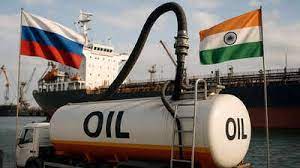
Writing in The Financial Times on Monday, Navarro accused India of acting as a “global clearinghouse” for Russian oil by refining embargoed crude into high-value exports.
“India’s reliance on discounted Russian crude is corrosive to global efforts to isolate Putin’s war economy,” he wrote. “By converting embargoed oil into refined products, India effectively provides Moscow with the hard currency it needs to fund its war in Ukraine.”
Navarro claimed the trade dynamics are skewed against the US: “American consumers buy Indian goods, and those dollars are then used to buy Russian oil. Refiners profit by reselling fuel worldwide, while Russia bankrolls its war machine. Meanwhile, US and European taxpayers are forced to spend billions more supporting Ukraine.”
The White House adviser also criticised India’s “protectionist” trade policies, arguing that its high tariffs and non-tariff barriers punish American workers. “The US runs a trade deficit with India of nearly USD 50 billion annually — dollars that ultimately finance Russian crude,” he stated.
He alleged that India’s recent surge in Russian oil imports is less about domestic energy needs and more about profiteering by its refiners, who have turned the country into a major hub for discounted crude.
Defending Trump’s latest move to impose steep tariffs on India, Navarro said: “The President’s executive order introduces a 25% national security tariff on Indian goods, in addition to the existing 25% reciprocal tariff. This dual policy will hit India’s access to US markets while cutting off its financial support to Russia.”
Trump’s new tariffs — totalling 50% on Indian imports — take effect on August 27.
India, in response, rejected the move as “unjustified and unreasonable,” stressing that it will take all necessary steps to protect its national interests and economic security.