






Stresses Efficient Execution and Coordinated Response
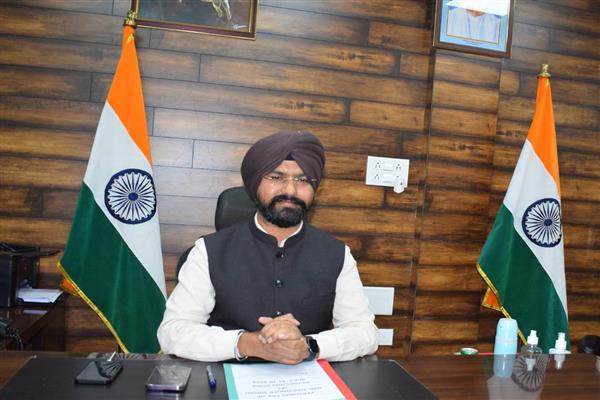
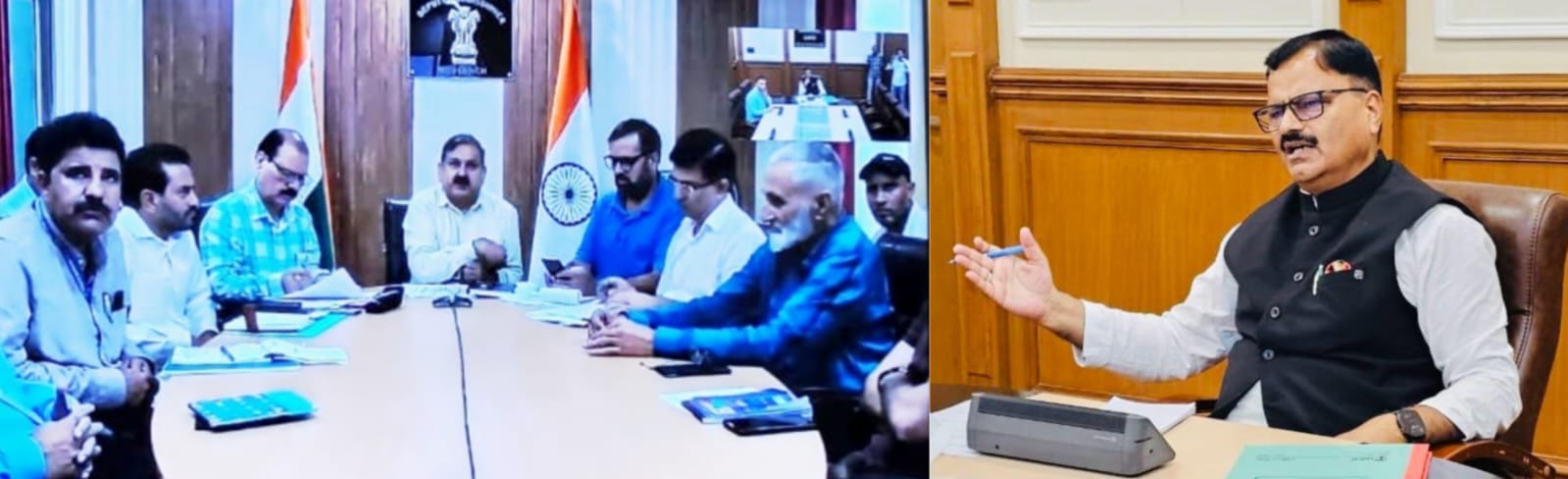
JAMMU: Following the recent floods that caused widespread disruption in Poonch district, Minister for Jal Shakti, Forest, Ecology & Environment, and Tribal Affairs, Javed Ahmed Rana, today held a detailed virtual review of ongoing relief and restoration efforts.
During the meeting, the Minister emphasized the need for efficient planning and swift execution of restoration measures. He directed all departments to ensure timely on-ground action, with departmental heads personally overseeing operations to accelerate progress.
Rana highlighted the priority of quickly resuming essential services, including water supply, power, road connectivity, and distribution of food grains and critical commodities, particularly in remote and vulnerable areas. He also called for a comprehensive rehabilitation strategy for affected families and stressed the implementation of long-term preventive measures to mitigate future disasters.
The Minister urged officials to ensure prompt and fair delivery of compensation and relief support, with special attention to the most affected populations. He also underscored the importance of safety in educational institutions, directing departments to conduct structural audits of schools in flood-hit areas, identify vulnerable buildings, and carry out urgent repairs to ensure student and staff safety.
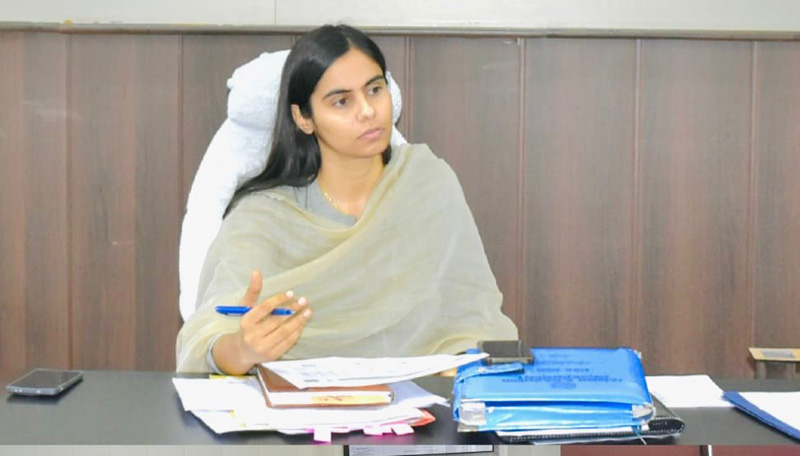
Deputy Commissioner Poonch, Ashok Kumar Sharma, briefed the Minister on the overall flood impact. He reported that 18 schools sustained damage, mainly to boundary walls, with four schools prioritized for immediate restoration to resume academic activities.
Regarding road infrastructure, 65 of 71 damaged roads in Mendhar subdivision have been restored, with the remainder under repair. In Surankote subdivision, 10 damaged roads are being restored on a priority basis, and most PMGSY roads have also been repaired.
Recognizing the damage to rural housing and protective structures, Rana instructed the Rural Development Department to expedite repair and reconstruction in the most affected villages. He also discussed healthcare measures, including medical camps in flood-hit and vulnerable areas over the next 2–3 days, and proposed deploying Mobile Medical Units on a 10-day rotation in Mendhar, Surankote, and Haveli to ensure access to essential services in remote regions.
On power supply, the Minister emphasized its critical link to water availability, noting that many water systems are electrically operated. Out of 162 affected water supply schemes, most have been partially restored, with full restoration underway.
Rana stressed the importance of inter-departmental coordination for a unified and effective disaster response and urged all departments to adopt a mission-driven approach. He highlighted the need to maintain buffer stocks of food and essentials, particularly in cut-off areas, and called for scientific mapping of vulnerable zones to guide mitigation strategies and targeted interventions.
Reiterating the government’s commitment to Poonch, the Minister affirmed that all efforts would focus on rebuilding stronger, safer, and more resilient communities.