






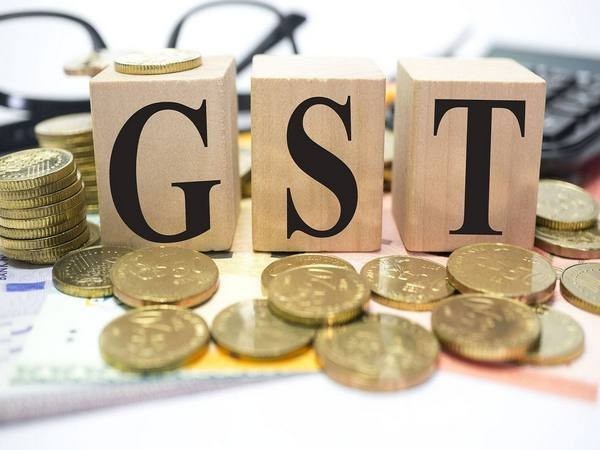
New Delhi: Several industry associations have hailed the Centre’s decision to rationalise Goods and Services Tax (GST) rates into two slabs—5 per cent and 18 per cent.
Confederation of Indian Industry (CII) Director General Chandrajit Banerjee described the reforms as a “phenomenal milestone.”
In a statement, he said, “This move on GST reforms is truly path-breaking. The Council’s decision to move to two rates, simplify refunds and MSME procedures, and exempt life and health insurance from GST will ease compliance, reduce litigation, and provide much-needed clarity for businesses and consumers.”
Banerjee added that reducing taxes on essential goods will offer relief to households. “By lowering rates on daily-use items and critical inputs, the reforms will immediately benefit families and strengthen growth. Industry will swiftly pass on the benefits to consumers and work with the government to ensure a smooth rollout that boosts demand and jobs,” he said.
Confederation of Indian Textile Industry (CITI) Chairman Rakesh Mehra welcomed the correction of the inverted duty structure in the man-made textile sector.
“We thank the Council for aligning GST on man-made fibre and yarn at 5 per cent, down from 18 per cent and 12 per cent, respectively. This long-awaited step will ease liquidity constraints for spinners and weavers. With 70–80 per cent of textile and apparel units being MSMEs, the move will significantly enhance competitiveness,” he said.
The GST Council had earlier announced this correction, reducing GST on man-made fibre from 18 per cent to 5 per cent and yarn from 12 per cent to 5 per cent.
Hemant Jain, President of PHD Chamber of Commerce and Industry (PHDCCI), said the reform would ease household budgets and spur consumption.
“The roll-out of rate rationalisation from September 22, 2025, is a landmark reform addressing both consumer welfare and revenue efficiency. Cutting GST on daily essentials like toiletries, packaged foods, and utensils to 5 per cent will directly ease household expenses,” he noted.
He also called the exemption of GST on health insurance, medical oxygen, and diagnostic kits a “socially progressive step.”
“In agriculture, lowering GST on tractors, tyres, irrigation systems, and farm machinery to 5 per cent will reduce input costs and benefit farmers. Reduced levies on education items will strengthen human capital, while cuts on automobiles, appliances, and electronics will boost industry volumes, manufacturing, and jobs,” he said, adding that the measures will “simplify compliance, spur demand, expand the tax base, and set India on a path of growth and inclusivity.”
The GST Council’s reform merges the existing 12 per cent and 28 per cent slabs into two broad categories of 5 per cent and 18 per cent.