






Punjab Floods: Death Toll Rises to 51, Crops on 1.84 Lakh Hectares Damaged
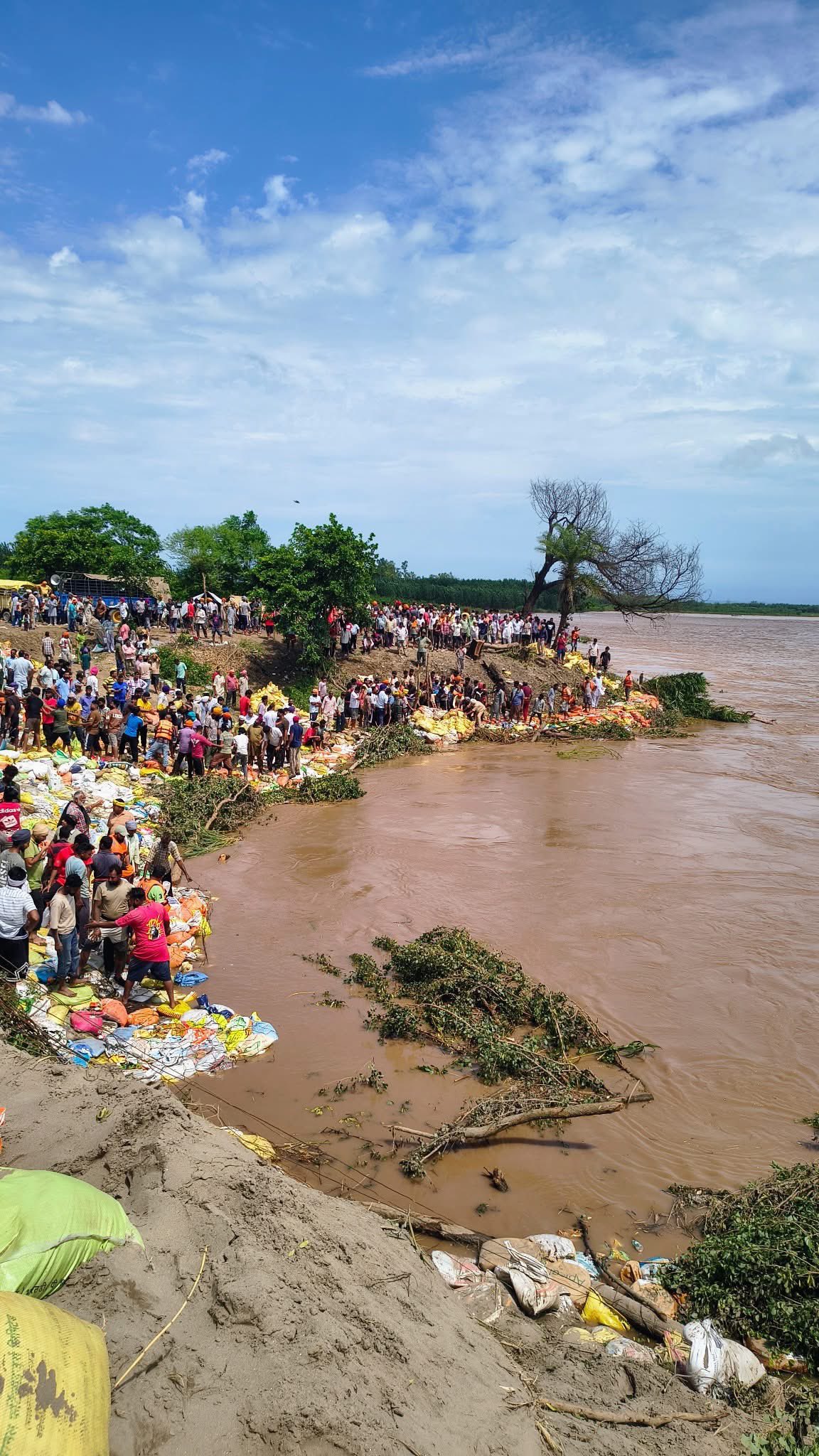
Chandigarh: The death toll from floods in Punjab has climbed to 51 after three more fatalities were reported in the past 24 hours, while crops spread over 1.84 lakh hectares have been damaged, officials said on Monday.
At a cabinet meeting, the state government approved a compensation of ₹20,000 per acre for crop loss. It also cleared the scheme ‘Jisda Khet, Usdi Ret’ (One who owns farmland, owns sand), allowing farmers to extract and sell sand deposited in their fields after the floods.
Water levels have begun to recede in several villages, bringing some relief even as rescue and relief operations continue. At the Pong Dam on the Beas, the water level fell from 1,392.20 feet on Sunday to 1,390.74 feet on Monday, with inflow down to 34,580 cusecs and outflow reduced to 76,008 cusecs. Similarly, Bhakra Dam on the Sutlej recorded 1,677.2 feet, marginally lower than Sunday, with an inflow of 57,414 cusecs and outflow of 65,000 cusecs.
Punjab Revenue Minister Hardeep Singh Mundian said over 3.87 lakh people across 15 districts have been affected. Three people in Pathankot remain missing. Crop loss has reached 1,84,938 hectares, while damage to houses and livestock is still being assessed.
So far, 23,015 people have been evacuated, and 123 relief camps are sheltering 5,416 inmates. The Army has deployed around 30 helicopters, while BSF, NDRF, and SDRF teams are providing ground support. Relief materials, including rations and medicines, are being supplied round-the-clock.
A total of 2,064 villages have been hit by the floods, with Gurdaspur district reporting the highest number at 329.
Education Minister Harjot Singh Bains launched ‘Operation Rahat’, a 10-day campaign for the relief and rehabilitation of flood-hit families. Nearly 20,000 government schools that were closed due to floods are being cleaned and will reopen for students from September 9.
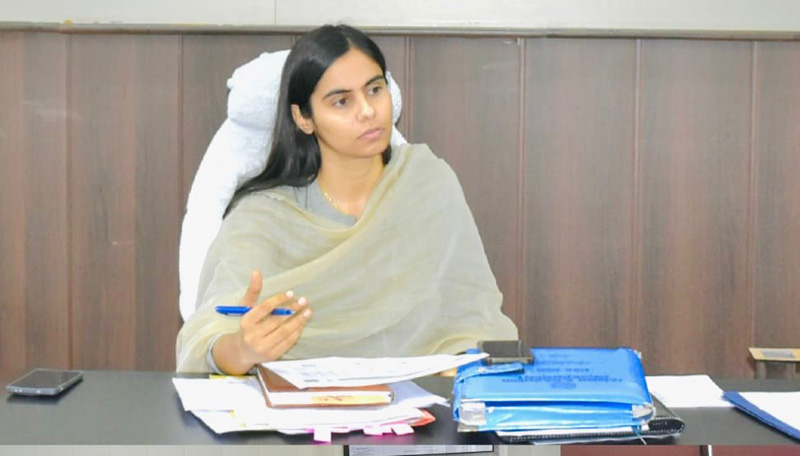
District administrations are also stepping up health and veterinary support. In Kapurthala, animal husbandry teams are treating livestock and distributing cattle feed, while in Ferozepur, Deputy Commissioner Deepshikha Sharma has directed a special anti-larva spray drive to curb mosquito breeding. Rural development teams will also run campaigns to prevent dengue, malaria, chikungunya, and other vector-borne diseases.