






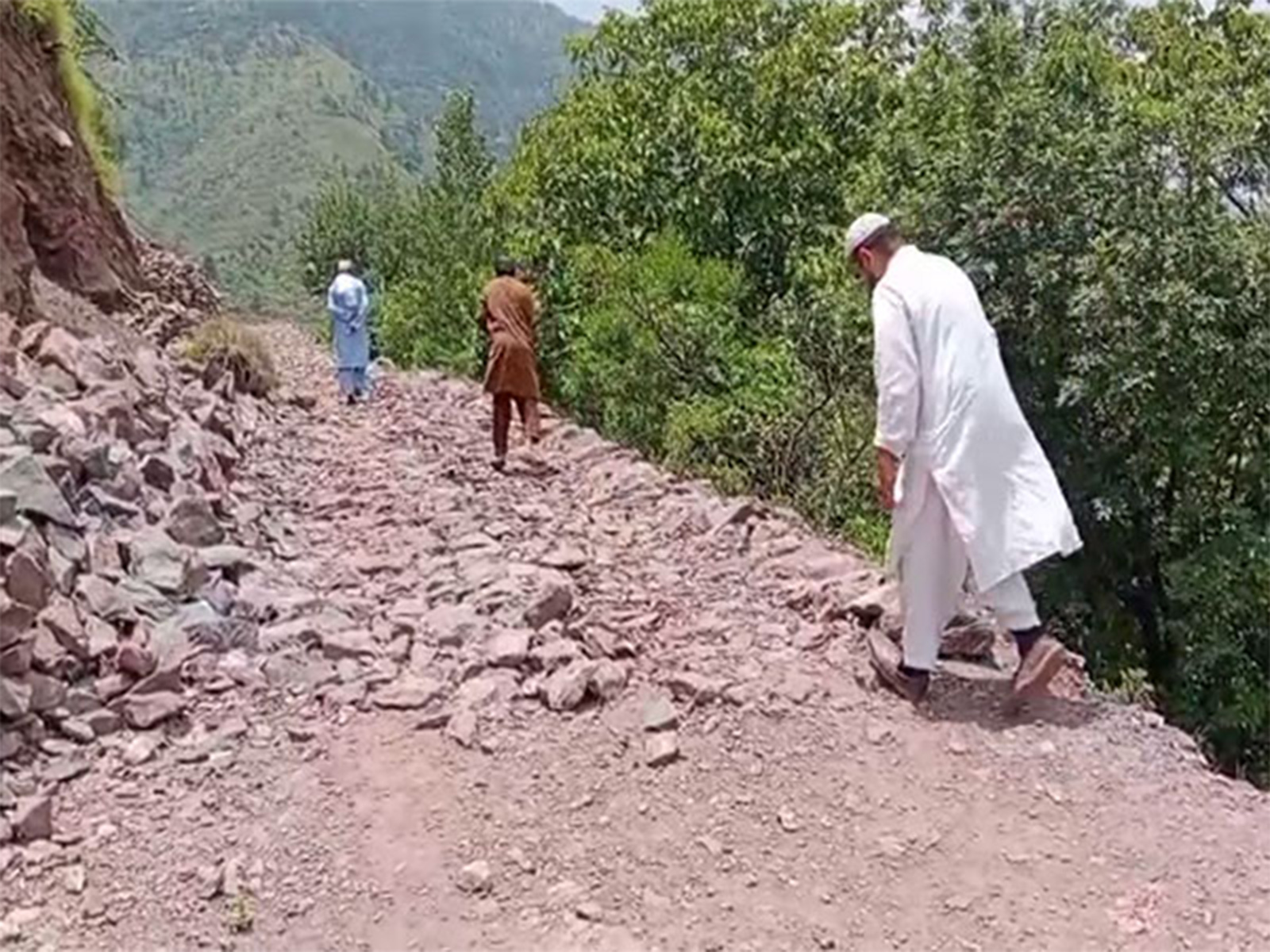
Muzaffarabad: Residents of Bat Nara, a village in the Lachhrat constituency of Muzaffarabad in Pakistan-occupied Jammu and Kashmir (PoJK), have expressed deep frustration over the lack of basic facilities, despite living just three kilometres from the Neelum-Jhelum Hydropower Project, one of Pakistan’s major electricity-generating projects.
Thousands of villagers remain without electricity, clean drinking water, healthcare, or functioning schools. Locals highlight the stark irony: while the Neelum-Jhelum Project generates over 1,000 megawatts of power for the national grid, Bat Nara itself remains in darkness.
Education is particularly dire. The village officially has a girls’ primary school and a boys’ middle school, but both exist only on paper. There are no buildings or teachers, and parents say their children have never attended a single class. “Our daughters are eager to study, but without proper schools or staff, they are left with nothing to do,” one resident said.
The lack of basic facilities extends beyond education. Natural springs that once supplied the village with water have dried up due to the construction of the Neelum-Jhelum project. Clean drinking water is now scarce, and healthcare services are entirely absent, with no dispensary or medical support available locally.
Residents accuse successive governments of neglect, despite repeated election promises. They warn that the community’s patience is running out and may prevent political leaders from entering the village if no action is taken before upcoming polls. “Living just a few kilometres from a project that powers the nation, we are still trapped without electricity, schools, or health facilities,” said a local elder, urging authorities to address the situation urgently.
The people of Bat Nara are demanding the immediate provision of electricity, clean water, qualified teachers, functional schools, and a healthcare facility. Without these, they warn, their village will continue to stand as a symbol of state neglect.