






Trump Signs H1-B Visa Fee Hike, Introducing USD 100,000 Annual Charge
New York/Washington: In a move that could significantly affect Indian professionals working in the U.S., President Donald Trump on Friday signed a proclamation raising the H1-B visa fee to USD 100,000 per year. The decision is part of the administration’s broader efforts to tighten immigration policies.
White House staff secretary Will Scharf described the H1-B program as “one of the most abused visa systems” in the country. He noted that it was intended to allow highly skilled foreign workers, in fields where Americans are underrepresented, to contribute to the U.S. workforce.
The Trump administration said the new fee aims to ensure that only “truly highly skilled” professionals are brought into the country, preventing the replacement of American workers. Companies sponsor H1-B applicants and are now required to pay the government USD 100,000 annually to retain these visas.
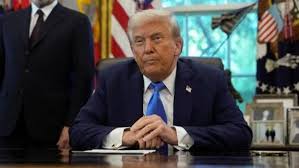
“We need workers. We need great workers, and this ensures that’s what’s going to happen,” Trump said, signing the proclamation in the Oval Office alongside Commerce Secretary Howard Lutnick.
Lutnick criticized the existing employment-based Green Card program, noting that it historically admitted 281,000 people annually who earned an average of USD 66,000 and were five times more likely to use government assistance. “We were taking in the bottom quartile—below the average American. It was illogical,” he said.
The new policy, Lutnick added, will focus on attracting “extraordinary people” who can create jobs and contribute to the U.S. economy. He projected that the program could generate over USD 100 billion in revenue for the U.S. Treasury, which Trump said would be used to cut taxes and reduce national debt.
The fee hike is expected to particularly impact Indian technology workers on H1-B visas. The visas, valid for three years with a potential three-year renewal, often extend until an employee’s Green Card is processed. Given the decades-long wait for Green Cards among Indian applicants, the new fee could influence whether companies continue sponsoring these visas.
Lutnick emphasized that the policy is intended to encourage companies to train American workers rather than relying on foreign labor. “They have to pay the government USD 100,000 and then pay the employee. It’s just not economic. Companies will now train Americans instead of bringing in workers to take jobs,” he said.
Trump added that tech companies “love it” and that the initiative will ensure “great people” enter the country.
Alongside the fee hike, Trump signed an executive order establishing the ‘Gold Card’ program. This initiative allows foreign individuals of extraordinary ability to gain expedited visa treatment and a pathway to a Green Card by contributing USD 1 million to the U.S. Treasury—or USD 2 million if sponsored by a corporation. Trump noted that the program could bring in “hundreds of billions of dollars,” which would be used to reduce taxes and debt.
When asked whether the USD 100,000 fee would apply to current H1-B holders or only new applicants, Lutnick clarified that it applies to both renewals and new hires. “Companies must decide whether the person is valuable enough to justify USD 100,000 per year or if they should hire an American instead,” he said.
Trump concluded that technology CEOs would welcome the changes, emphasizing that the policy ensures highly productive and valuable talent remains in the U.S. workforce.