






New Delhi: The Union Cabinet on Wednesday approved the establishment of 57 new Kendriya Vidyalayas (KVs) across the country, expected to benefit over 86,000 students, Union Minister Ashwini Vaishnaw announced.
Of the newly approved schools, seven will be sponsored by the Union Home Ministry and the rest by state governments. Notably, 20 KVs will be set up in districts where none currently exist, despite a sizable presence of Central Government employees.
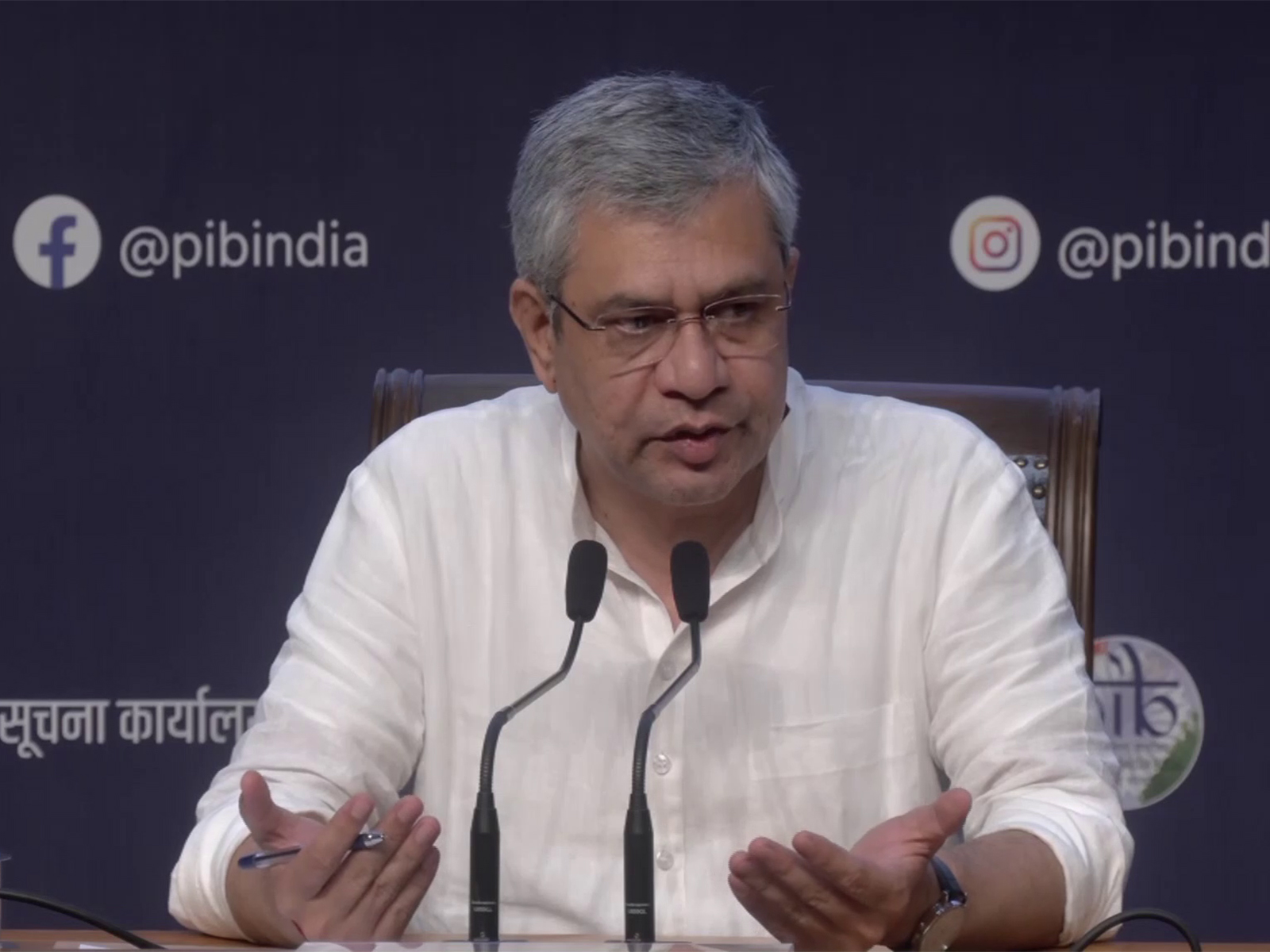
“The Cabinet Committee on Economic Affairs, chaired by Prime Minister Narendra Modi, has cleared the proposal for 57 new KVs under the Civil Sector to meet the educational needs of children of Central Government employees,” Vaishnaw said at a press conference.
The project involves an estimated outlay of ₹5,862.55 crore over nine years (2026–27 onwards), including ₹2,585.52 crore for capital expenditure and ₹3,277.03 crore for operational costs.
For the first time, these KVs will feature Balvatikas (three years of pre-primary education), in line with the National Education Policy (NEP) 2020.
The Kendriya Vidyalaya scheme, launched in 1962, was designed to provide uniform educational facilities for the children of transferable and non-transferable Central Government employees, including defence and paramilitary personnel. Currently, 1,288 KVs are functional, including three abroad—in Moscow, Kathmandu, and Tehran—with a total enrolment of 13.62 lakh students.
The latest expansion follows the sanctioning of 85 new KVs in December 2024, bringing the focus to 17 states and UTs. Of the new approvals, 14 KVs will be set up in aspirational districts, four in Left-Wing Extremism (LWE)-affected areas, and five in the North-Eastern region and hilly areas.
Each full-fledged KV can accommodate around 1,520 students and employs 81 staff members. With 57 new schools, this translates to 4,617 new permanent jobs in addition to employment generated through construction and related activities.
An official statement emphasized that the initiative demonstrates the Centre’s commitment to expanding access in underserved and strategically important regions, while ensuring balanced representation across the North, South, East, and West, thereby fostering inclusivity and national integration.