






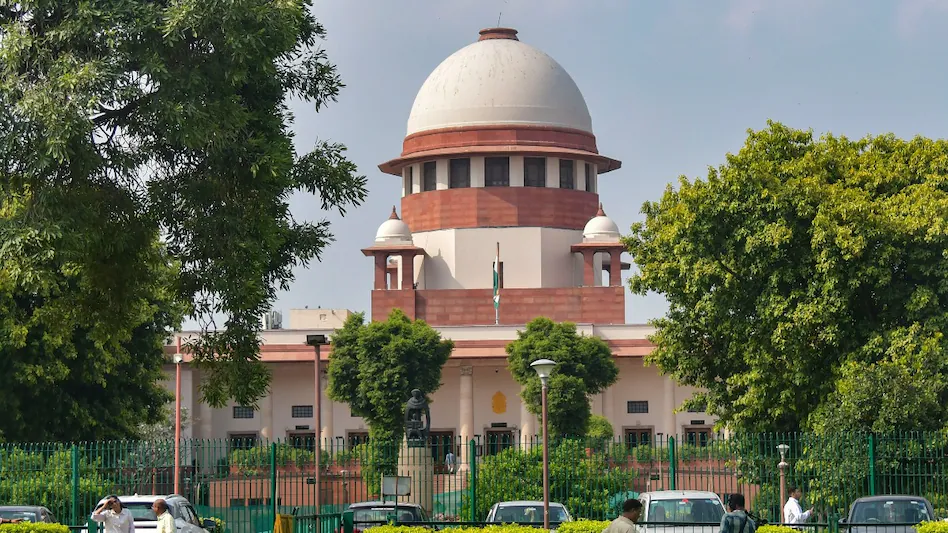
New Delhi: The Supreme Court on Friday declined to entertain a plea seeking nationwide guidelines to regulate social media intermediaries regarding the suspension or blocking of user accounts.
A bench of Justices Vikram Nath and Sandeep Mehta allowed the petitioners to withdraw their plea, granting them liberty to pursue other remedies available under law before an appropriate forum.
During the hearing, the petitioners’ counsel informed the court that their WhatsApp accounts—used for communicating with customers—had been blocked without any explanation.
“There are other communication applications available; you can use those,” the bench remarked, asking why WhatsApp had blocked their accounts. When counsel said no reason was given, the bench questioned, “What is your fundamental right to have access to WhatsApp?”
The court further asked why the petitioners had directly approached the Supreme Court under Article 32 of the Constitution. The counsel responded that the petitioners, who run a clinic and a diagnostic centre, had been using WhatsApp for over a decade to communicate with clients.
The bench observed that an indigenous messaging application is now available and suggested that the petitioners use it for their business communications. It also advised them to approach the High Court with their grievances.
When the petitioners’ counsel referred to their plea seeking “pan-India guidelines governing social media intermediaries with respect to suspension and blocking of accounts, ensuring due process, transparency, and proportionality,” the bench asked, “Is WhatsApp, or the intermediary, a State?”
When the counsel admitted it was not, the bench noted that even a writ petition might not be maintainable before a High Court and suggested that the petitioners could instead file a civil suit.