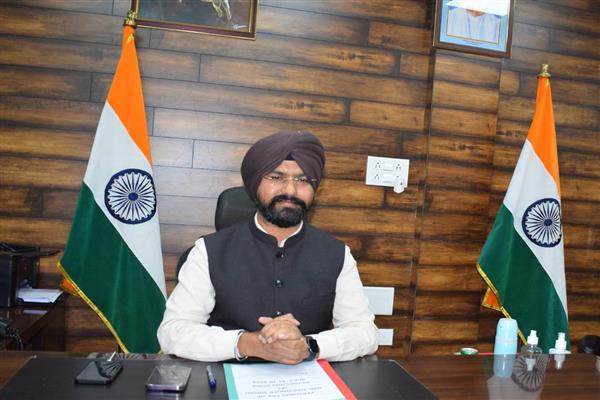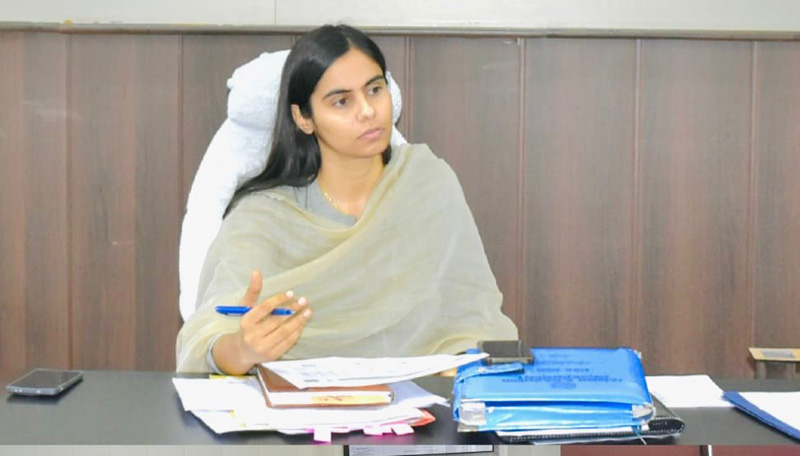







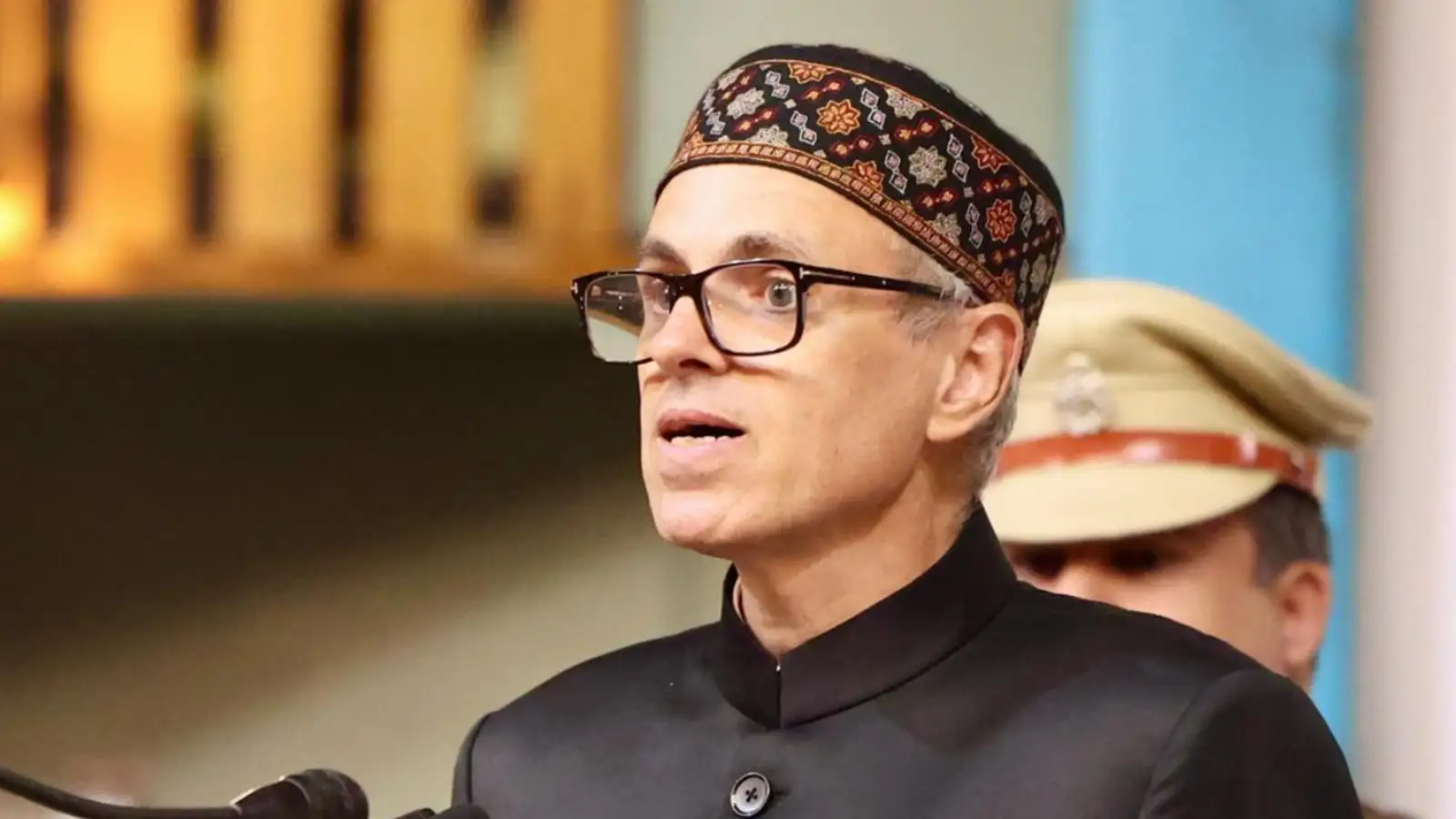
Srinagar: Jammu and Kashmir Chief Minister Omar Abdullah on Thursday completed one year in office, but the restoration of statehood — his key election promise — remains elusive.
Abdullah took oath as the first Chief Minister of the Union Territory on October 16 last year after his party, the National Conference (NC), swept the Assembly elections — its first major victory in nearly a decade.
However, most of the promises made in the party’s manifesto, “Dignity, Identity and Development,” remain unfulfilled. The NC had pledged to pursue the full implementation of the 2000 Autonomy Resolution, restore Jammu and Kashmir’s pre-August 5, 2019 status under Articles 370 and 35A, and regain statehood.
In the interim, the party had vowed to seek amendments to the Jammu and Kashmir Reorganisation Act, 2019, and the Union Territory’s Transaction of Business Rules, besides reviewing post-2019 laws that diluted the region’s special status. It also promised to safeguard land ownership and employment rights for locals.
So far, the NC government has made little headway. The only significant political moves include two resolutions — one passed in the cabinet’s first meeting calling for the restoration of statehood, and another adopted by the Assembly urging the Centre to devise a constitutional mechanism for restoring Jammu and Kashmir’s special status.
The government has come under fire from opposition parties in the Valley, as well as dissent within the NC itself, for “failing to act” and “appeasing New Delhi and the BJP.” NC MP from Srinagar, Ruhullah Mehdi, recently admitted that the government had fallen short on political commitments.
“Whatever needed to be done on the political front has not happened. There was a need to show intent, but I personally feel that has not been shown till now,” Mehdi said.
The ruling party, however, insists it has focused on improving people’s lives within its limited powers. The government cites initiatives such as increasing the marriage assistance fund for poor brides from ₹50,000 to ₹75,000, extending free bus services for women, launching an inter-district smart bus network, restoring the academic calendar to the October-November cycle, relaxing stamp duty for family property transfers, and providing free ration to economically weaker sections.
Abdullah has repeatedly blamed the restricted powers of the elected government vis-à-vis the Lieutenant Governor’s office for the slow progress on major political issues.
The administration also continues to face multiple challenges. The April 22 Pahalgam terror attack dealt a severe blow to the region’s tourism-dependent economy. The subsequent India-Pakistan escalation in May — codenamed Operation Sindoor — caused civilian casualties and widespread damage in border areas. Efforts to revive tourism were further hampered by unseasonal rains and flash floods, dashing hopes of recovery before winter.
The government is also under pressure to review the reservation policy, which reduced the general category quota in government jobs and educational institutions to 30 per cent. A cabinet subcommittee formed in December last year submitted its report four months ago, but no action has followed.
As Abdullah’s government marks its first anniversary, the promise of statehood — the cornerstone of his electoral campaign — remains distant, while his administration struggles to balance limited authority with growing public discontent.