






New Delhi: The 100th meeting of the Network Planning Group (NPG) under the PM GatiShakti initiative was convened on Friday to review key infrastructure projects across the Railways, Road Transport & Highways, and Urban Affairs sectors.
Five projects were examined — two each from the Ministry of Railways (MoR) and the Ministry of Road Transport and Highways (MoRTH), and one from the Ministry of Housing and Urban Affairs (MoHUA) — for their alignment with the PM GatiShakti National Master Plan.
Chaired by Pankaj Kumar, Joint Secretary (Logistics), DPIIT, the meeting emphasized integrated multimodal connectivity, last-mile infrastructure, and a “Whole of Government” approach to enhance logistics efficiency and spur socio-economic development.
The Ministry of Railways presented two major proposals:
Quadrupling of the Hosapete–Ballari line (65 km) in Karnataka to ease congestion and increase freight capacity in one of the state’s most industrialized and mineral-rich corridors.
Doubling of the Gondia–Jabalpur line (230.5 km) across Maharashtra and Madhya Pradesh to improve freight and passenger movement and reduce bottlenecks in the Central India corridor.
The Ministry of Road Transport and Highways (MoRTH) proposed:
Widening and upgrading the Mahwa–Mandawar section of NH-921 (50.24 km) in Rajasthan to enhance connectivity between Rajasthan, Delhi NCR, and Haryana.
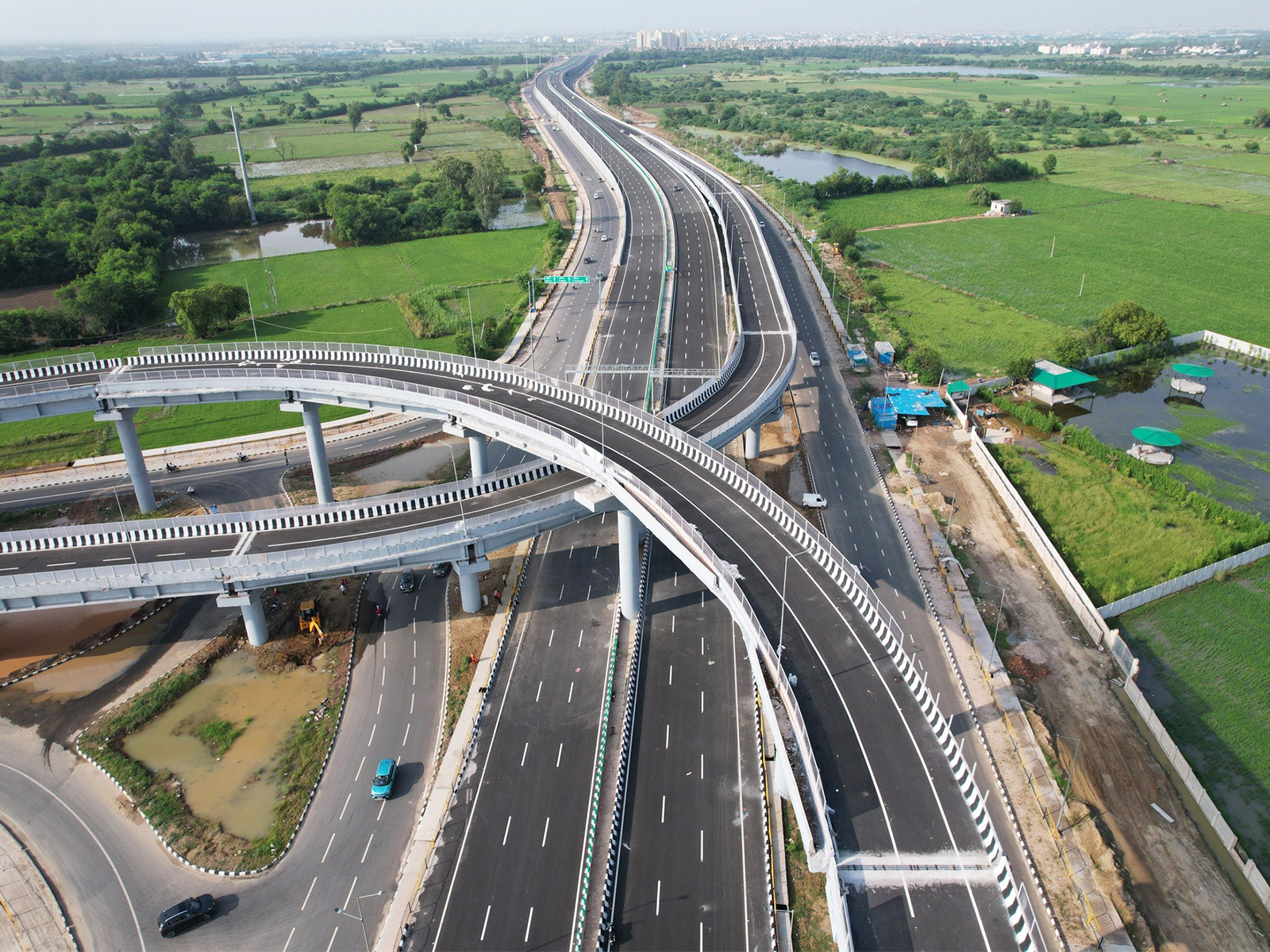
Construction of a six-lane elevated road with service lanes between Anisabad and Deedarganj (13.37 km) in Bihar to decongest urban traffic and boost regional trade.
The Ministry of Housing and Urban Affairs (MoHUA) presented the Jaipur Metro Phase 2 project (42.8 km) from Prahladpura to Todi Mod, featuring 36 stations across key locations including Sitapura Industrial Area, SMS Hospital, and Vidhyadhar Nagar. The corridor will interlink with existing lines at Chandpole Station, improving multimodal transport, reducing congestion, and promoting transit-oriented development.
The NPG noted that all five projects are consistent with the principles of PM GatiShakti and are expected to significantly enhance connectivity, strengthen logistics efficiency, and deliver broad socio-economic benefits across regions.