







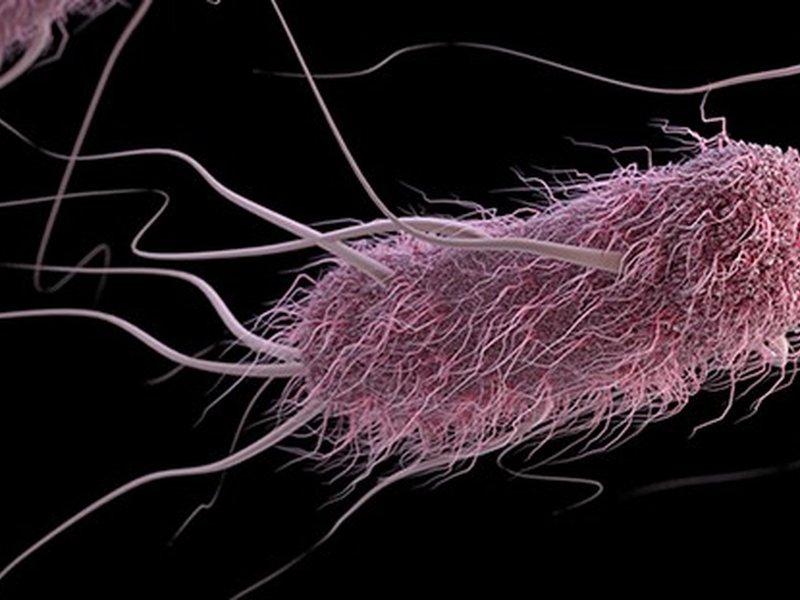
New Delhi: Antimicrobial peptides — short chains of amino acids — can effectively target and control pathogens such as Salmonella and E. coli, both major causes of foodborne illnesses, while also offering a promising alternative to antibiotics in the fight against antimicrobial resistance (AMR).
According to a new study, these peptides can destroy harmful bacteria without triggering antibiotic resistance, making them valuable tools for improving food safety and protecting public health.
“Antimicrobial peptides have the potential to serve as alternatives to antibiotics and could therefore help mitigate antibiotic resistance,” said Dr. Gireesh Rajashekara, Professor at the College of Veterinary Medicine, University of Illinois Urbana-Champaign, and the corresponding author of the study.
“These peptides not only kill Salmonella but also other related pathogens like E. coli, making them potentially useful in controlling a wide range of bacteria,” he added.
The research, published in the journal Microbiology Spectrum, focused on identifying antibiotic alternatives to control Salmonella in chickens — one of the main sources of Salmonella infections in humans.
Researchers discovered a group of antimicrobial peptides capable of killing various Salmonella strains in lab tests, and later confirmed their effectiveness in chickens. The peptides’ antibacterial action likely results from disrupting Salmonella cell membranes.
Importantly, the peptides maintained their effectiveness even after exposure to heat and protease treatments, making them suitable for use in the poultry industry.
“We identified two antimicrobial peptides that can kill multiple types of Salmonella and significantly reduce bacterial load in chickens,” Dr. Rajashekara noted.
He added that the next phase of research will involve large-scale testing in poultry, optimizing peptide delivery through feed or water, studying their mode of action, and screening additional peptides for anti-Salmonella potential.