







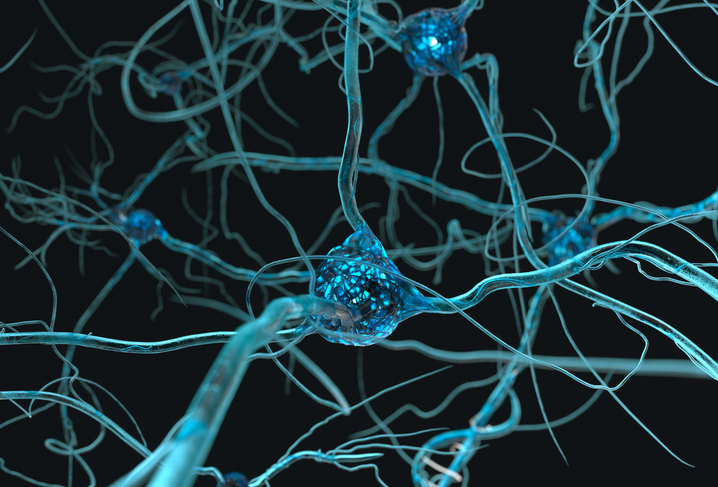
Scientists have achieved a major milestone in their quest to map how different types of brain cells form and mature from early embryonic stages to adulthood — a breakthrough that could pave the way for new treatments for brain-related conditions such as autism and schizophrenia.
The team has completed the first draft of atlases of both the developing human brain and the developing mammalian brain. The research, which focused primarily on human and mouse brain cells with some data from monkey brains, traces how various brain cells are created, differentiate, and mature into specialized types with distinct functions. It also maps how gene activity changes over time within these cells.
By identifying key genes that regulate brain development, the researchers found both shared patterns between human and animal brains and unique features specific to humans — including previously unknown types of brain cells. The findings were published as a collection of studies in Nature and related journals.
This work forms part of the U.S. National Institutes of Health’s BRAIN Initiative Cell Atlas Network (BICAN), an international collaboration aimed at creating a detailed atlas of the human brain.
“Our brain contains thousands of distinct cell types, each with unique properties and functions that together produce our behaviors, emotions, and cognition,” said neuroscientist Hongkui Zeng, director of brain science at the Allen Institute in Seattle and a lead author of two studies. Researchers have already identified more than 5,000 cell types in the mouse brain, and the human brain is thought to contain at least as many.
“The developing brain is an incredibly complex and dynamic system,” added Aparna Bhaduri, a neuroscientist at UCLA and another lead researcher. “While we’ve long understood the broad stages of brain development, these atlases now give us a much more detailed picture of the individual components involved.”
The implications of the research are far-reaching. By comparing brain development across species, scientists can better understand the biological roots of human intelligence and how it differs from that of other mammals. Moreover, insights into normal brain development will help pinpoint when and where things go awry in disorders such as autism, ADHD, and schizophrenia.
Zeng said the findings could eventually lead to highly targeted gene- and cell-based therapies for these and other brain-related diseases.
The atlases also cover key brain regions such as the neocortex, which governs higher cognitive functions, and the hypothalamus, which regulates essential bodily processes like temperature, mood, sleep, hunger, and thirst.
One study found that certain cells in human brain tumors resemble embryonic progenitor cells — early-stage cells capable of developing into various brain cell types — suggesting that tumors may exploit developmental pathways to drive malignancy.
The researchers also uncovered unique aspects of human brain development, including the extended period of cortical cell differentiation that mirrors the long growth timeline of the human brain from fetus to adolescence, in contrast to faster-developing animal brains. Newly identified brain cell types were found in regions such as the neocortex and the striatum, which is involved in movement and other functions.
Looking ahead, the scientists say this is just the beginning.
“The ultimate goal is not only to map the developing brain in detail but also to understand what happens in disorders that arise during brain development,” said Bhaduri. “This work also ties into brain cancer research, as some of the same developmental processes reappear in tumors. There’s still a long way to go, but these studies mark a significant step forward.”