






Advocates Establishment of Research Centre for Regional Languages
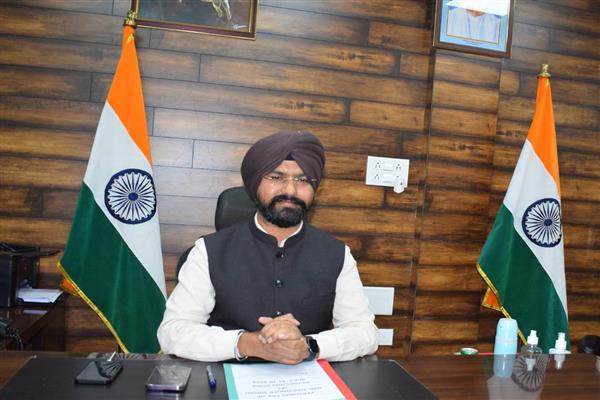
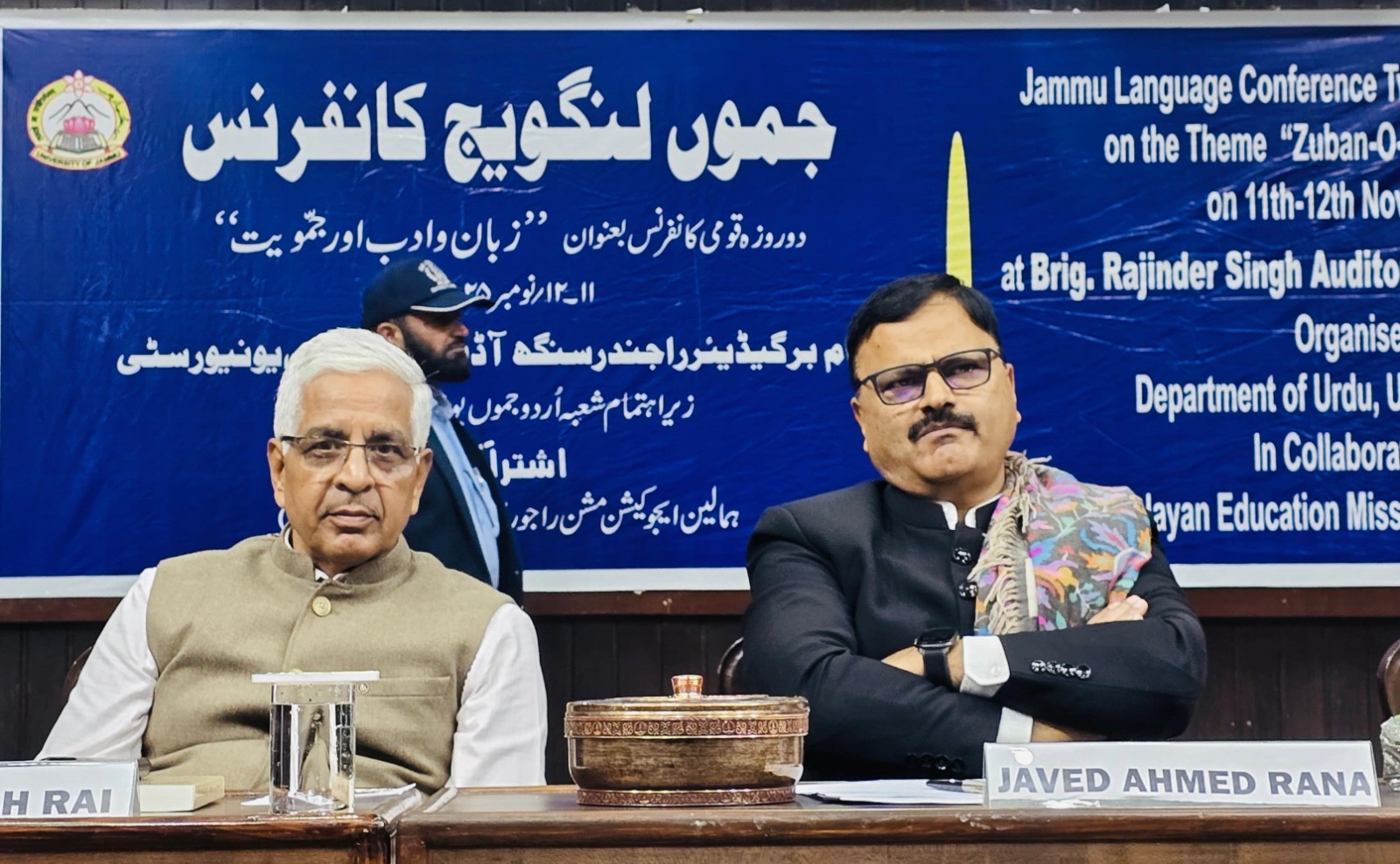
JAMMU: Minister for Jal Shakti, Forest, Ecology & Environment and Tribal Affairs, Javed Ahmed Rana, inaugurated the two-day Jammu Language Conference titled “Jammuiet aur Zaban-o-Adab” at the University of Jammu on Tuesday.
The event has been organized by the Department of Urdu, University of Jammu, in collaboration with the Himalayan Education Mission, Rajouri.
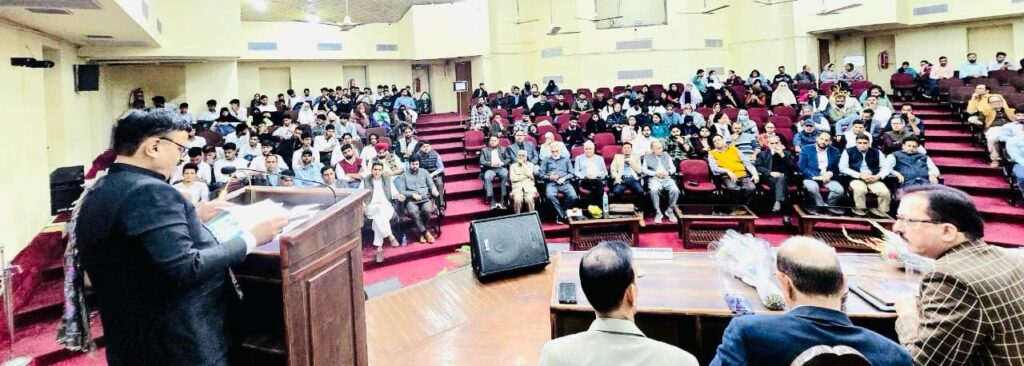
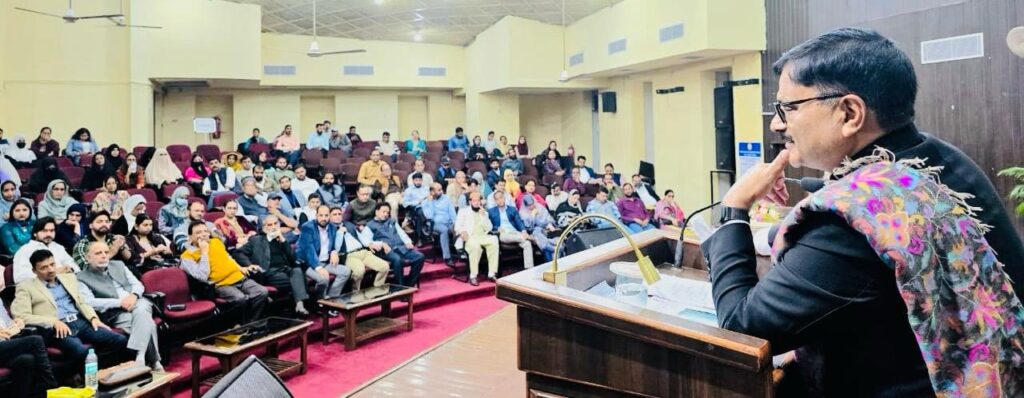
Addressing the gathering, the Minister commended the Department of Urdu for organizing a conference that brings together scholars and enthusiasts from multiple linguistic backgrounds. He said such academic initiatives play a vital role in preserving and promoting the region’s cultural and linguistic heritage.
Lauding the department’s efforts in fostering dialogue among experts of diverse languages, Rana said platforms like this are crucial for enriching literary and academic pursuits.
Stressing the importance of institutional support, the Minister called for the establishment of a Research Centre for Regional Languages at the University of Jammu to promote the study, documentation, and preservation of the region’s linguistic diversity.
“The proposed centre should lead research in language development, analysis, and usage across Jammu and Kashmir,” he said, emphasizing the need for a systematic and scholarly approach to linguistic studies.
Highlighting Urdu’s role as a linguistic bridge between regions, Rana praised Jammu’s writers and poets for beautifully depicting the life, culture, and natural beauty of the region through their works. He added that every language needs dedicated literary and cultural initiatives for its preservation and growth, especially in a linguistically diverse region like Jammu and Kashmir.
Acknowledging the linguistic richness of Jammu, the Minister noted that the region is home to languages such as Bhaderwahi, Gojri, Kishtawari, Pahari, Pogli, Siraji, Gaddi, Kashmiri, Dogri, and several others—each carrying its own cultural essence.
He further said that Jammu’s writers have historically played a key role in documenting local traditions, lifestyles, and natural landscapes.
Rana urged civil society to actively participate in preserving and promoting native languages, stating that community involvement is essential for sustaining the region’s linguistic heritage.
He also appreciated the Department of Urdu for initiating a conference on a theme that has received limited attention in the literary history of Jammu and Kashmir, and extended his best wishes for its success.