






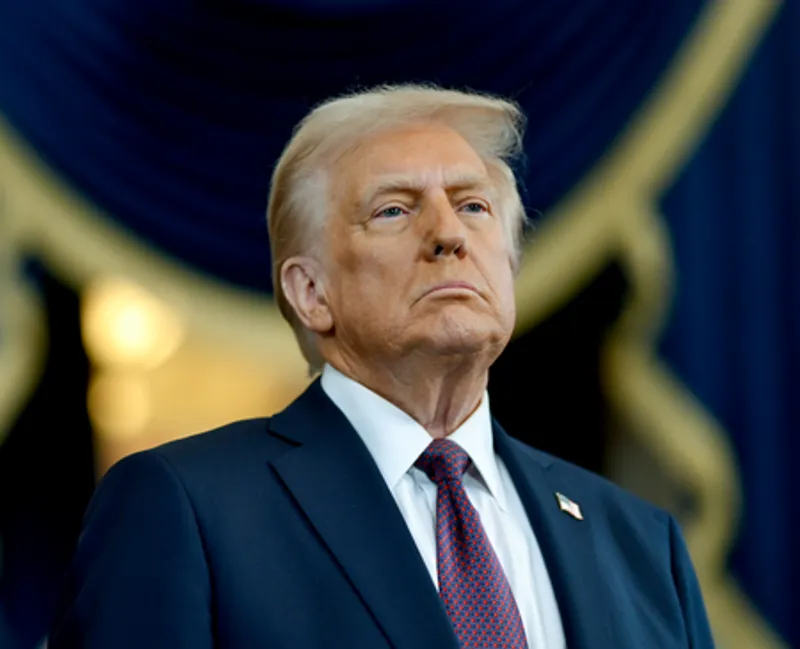
Washington DC: US President Donald Trump appeared to soften his administration’s hardline position on H-1B visa reforms, acknowledging the need to attract highly skilled foreign professionals to fill key roles in the American workforce.
In an interview with Fox News host Laura Ingraham on Tuesday (local time), Trump defended the importance of skilled immigrant workers, saying the US cannot simply retrain long-term unemployed citizens for complex jobs in sectors like manufacturing and defence without significant time and resources.
While reaffirming his support for higher wages for American workers, Trump stressed that the country must still “bring this talent” to stay competitive. “I agree, but you also have to bring this talent,” he said when asked if H-1B visa reform would remain a top priority for his administration.
In September, Trump had signed a proclamation introducing sweeping changes to the H-1B visa process, including a new USD 100,000 application fee—a steep increase from the previous cost of around USD 1,500.
The US State Department later clarified that the fee applies only to new H-1B petitions or those entering the visa lottery after September 21, while existing visa holders and earlier applications are exempt. The proclamation mandates that all petitions filed after the cutoff date, including those for the 2026 H-1B lottery, must include the new payment.
When challenged on whether the US already has enough domestic talent, Trump responded, “No, you don’t. There are certain skills you don’t have, and people have to learn them. You can’t take people off the unemployment line and say, ‘I’m going to put you into a factory where we’re going to make missiles.’”
Citing an example from Georgia, Trump pointed to production delays after hundreds of skilled South Korean workers at a Hyundai battery plant were detained and deported following ICE raids in September.
“They had people from South Korea who had made batteries all their life. Making batteries is very complicated and very dangerous — a lot of explosions, a lot of problems. They had like 500 or 600 people in the early stages to make batteries and teach people how to do it,” he explained.
Emphasising the need for specialised expertise, Trump added, “You can’t just say a country is coming in to invest USD 10 billion to build a plant and take people off the unemployment line who haven’t worked in five years and expect them to start making missiles. It doesn’t work that way.”
Trump’s latest remarks signal a notable shift from his earlier tough rhetoric on foreign worker visas — particularly the H-1B programme — a recurring flashpoint in the US debate over immigration and jobs.