






UNITED NATIONS: An initial United Nations assessment of the recent deadly earthquake in Afghanistan reports 5,230 homes destroyed and 672 damaged across 49 villages, though most remote villages remain inaccessible.
Shannon O’Hara, coordination chief for the UN humanitarian office in Afghanistan, said Monday that damaged roads in the country’s rugged eastern region, where the 6.0-magnitude quake struck, have made it extremely difficult to assess the situation in 441 affected villages. A series of aftershocks ranging from 5.2 to 5.6 magnitude has compounded the challenges.
The earthquake, which struck on August 31, has killed at least 2,200 people, a number likely to rise as more bodies are recovered. The UN estimates up to 500,000 people have been affected, over half of them children, including some Afghans forcibly returned from Pakistan and Iran.
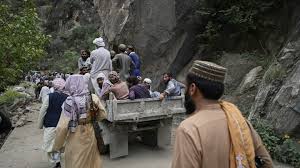
O’Hara highlighted the difficulties faced by aid teams, noting it took over six and a half hours to travel from Jalalabad, the nearest major city, to the worst-hit areas about 100 kilometers away, via a narrow, single-lane mountain road blocked in places by landslides. Many vehicles, including aid trucks, were struggling to reach the valley.
“As we drove toward the epicenter, we saw families fleeing on foot, carrying what little they could, many still in the same clothes from the night of the quake,” O’Hara said. “Parents carried children, some with fresh bandages on their injuries.”
The devastation worsened closer to the epicenter, with entire villages destroyed and the stench of dead animals pervasive. Displaced families are living in crowded tents or under the open sky, exposed to rain and cold.
“There is no clean drinking water and no sanitation. Cholera is endemic, and initial assessments show 92 percent of these communities practice open defecation,” O’Hara said. “The potential for a cholera outbreak is alarming.”
During a five-day visit to the quake-affected region, O’Hara reported at a UN press briefing that immediate needs are overwhelming: clean water, food, tents, latrines, and warm clothing are essential as winter approaches in late October. Women in particular emphasized the urgent need for clean water and clothing for themselves and their children.
“Any day, rainfall could trigger flash floods in the valleys where displaced camps are located, and additional aftershocks could cause more severe landslides, cutting off access to communities near the epicenter,” she said. “Snow will also isolate these mountain valleys. If we do not act now, these communities may not survive the coming winter.”
The UN plans to issue an emergency appeal on Tuesday for funding to support quake survivors. O’Hara added that the Taliban authorities have led search and rescue operations, with no major obstacles to humanitarian efforts.
Regarding women and girls, she said there have been no reports of them being left behind by male-only rescue teams, and the UN is ensuring women participate in health and aid distribution teams.