






Amit Shah Proposes Special Jails for Fugitives, Passport Cancellation After Interpol Red Notice
New Delhi: Union Home Minister Amit Shah on Thursday proposed setting up special prisons in every state for fugitives, built to international standards, and cancelling the passports of those facing Interpol Red Notices. The move, he said, would help counter fugitives’ claims of poor prison conditions in India during extradition hearings and prevent their unrestricted travel across borders.
Several economic offenders such as Vijay Mallya, Nirav Modi, and Mehul Choksi have cited “substandard jail conditions” in India to avoid extradition from foreign countries.
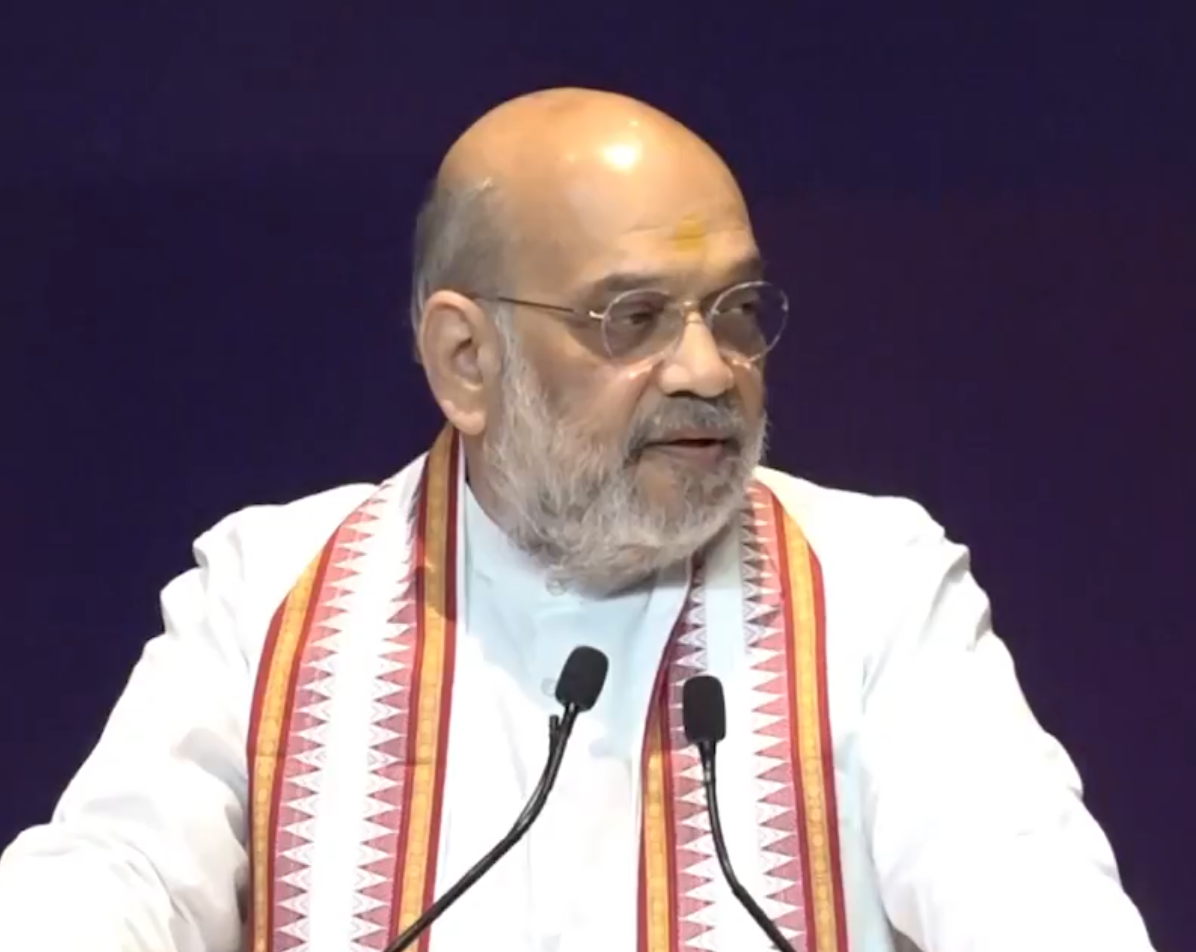
Speaking at a conference on “Extradition of Fugitives – Challenges and Strategies” organised by the CBI, Shah said, “Until we create fear of the Indian legal system in the minds of fugitives harming our economy, sovereignty, and security, we cannot ensure national security.”
He noted that 338 extradition requests are currently pending with various countries for fugitives wanted in cases of terrorism, financial fraud, and drug trafficking.
Shah suggested that passports of fugitives should be automatically cancelled once a Red Notice is issued. “With current technology, this is easy to implement. Cancelling passports at the Red Notice stage will restrict fugitives’ international movement,” he said.
Calling for systemic reform, Shah urged all states to develop a scientific database of fugitives containing details like their crimes, current locations, networks, and the status of repatriation efforts.
He further proposed that each state establish a dedicated prison for fugitives meeting international standards to neutralise the defence often used in foreign courts that Indian prisons violate human rights. “If this is the excuse they use, why give them that opportunity?” he said. “Every state capital should have a facility that meets international standards.”
The home minister also recommended the creation of coordination groups for narco, terror, financial, and cyber crimes in state police departments, with support from the Intelligence Bureau and the CBI. He advised forming specialised extradition cells in every state to study international treaties and expedite legal processes.
“The CBI should set up a dedicated unit on extradition issues to assist these state-level cells,” Shah added.
Referring to the recently introduced ‘trial in absentia’ provision under the Bharatiya Nagarik Suraksha Sanhita (BNSS), Shah urged police chiefs to make full use of it. The provision allows trials of fugitives in their absence, with appeals permitted only through their physical appearance.
He also stressed the need for better coordination between passport authorities and law enforcement agencies, and called for special units in each state to upgrade Interpol Blue Notices to Red Notices after chargesheets are filed.
Interpol Blue Notices help trace the whereabouts of fugitives, while Red Notices request their detention pending extradition. Officials said that many Blue Notices are not upgraded even after chargesheets are filed due to lack of awareness.
Shah concluded by emphasising that these measures—special jails, passport cancellations, and dedicated coordination cells—are essential for strengthening India’s extradition framework and ensuring that fugitives cannot evade justice.