






New Delhi: The government on Wednesday approved the rationalisation of royalty rates for graphite, caesium, rubidium and zirconium to boost domestic production and cut import dependence.
The decision, cleared by the Cabinet chaired by Prime Minister Narendra Modi, is expected to facilitate the auction of mineral blocks containing these elements. This, in turn, will help unlock associated critical minerals such as lithium, tungsten, rare-earth elements (REE) and niobium, strengthening India’s energy and supply-chain security.
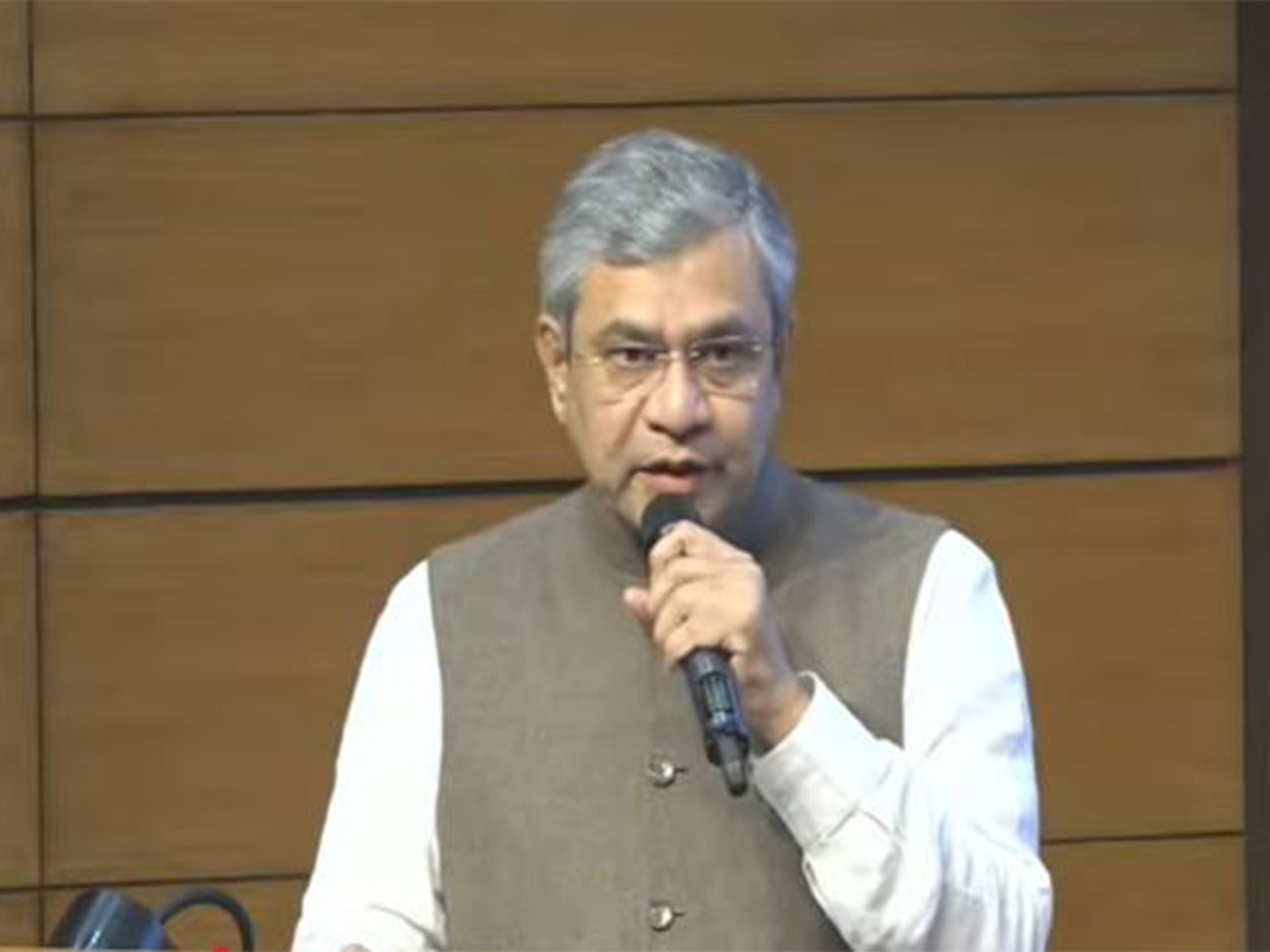
Briefing the media, I&B Minister Ashwini Vaishnaw said that excessively high royalty rates had hindered the production of several critical minerals. The Cabinet has therefore decided to reduce royalties on graphite, caesium, rubidium and zirconium to encourage higher output. These minerals have significant demand across electric vehicles, electronics manufacturing and strategic sectors, he added.
Royalty for graphite will now be fixed on an ad valorem basis, ensuring prices reflect grade-wise market variations.
According to an official statement, enhanced domestic output will reduce imports, minimise supply-chain vulnerabilities and generate employment.
All four minerals are essential for high-tech applications and energy transition. Graphite and zirconium are also among the 24 critical and strategic minerals listed under the Mines and Minerals (Development and Regulation) Act, 1957 (MMDR Act).
Graphite, a key component in EV batteries used as anode material, currently sees India importing 60% of its requirement. While nine graphite mines are operational, 27 blocks have been auctioned, 20 more handed over by GSI and MECL for auction, and another 26 are under exploration.
Zirconium, valued for its corrosion resistance and thermal stability, is used in nuclear energy, aerospace, healthcare and manufacturing.
Caesium is crucial for high-tech electronics, including atomic clocks, GPS systems and medical instruments such as those used in cancer therapy.
Rubidium finds use in specialty glass for fibre optics, telecommunications and night-vision devices.
The Centre recently issued a notice inviting tenders for the sixth round of critical mineral block auctions, including five graphite blocks, two rubidium blocks and one block each of caesium and zirconium.
The government said the Cabinet’s approval of the revised royalty rates will allow bidders to make more rational financial bids in upcoming auctions.