






Centre Issues Revised Advisory to States, UTs to Combat Air Pollution-Linked Health Problems
New Delhi: The Centre has issued a fresh advisory to all states and Union territories, directing them to strengthen healthcare preparedness against air pollution-related diseases by setting up chest clinics under the National Programme on Climate Change and Human Health (NPCCHH) at government hospitals and medical colleges.
These clinics are required to operate for at least two hours daily during the high-pollution months—typically from September to March—to address rising cases of respiratory and cardiac ailments caused by deteriorating air quality.
In a detailed 33-page guideline, the Union Health Ministry instructed states and UTs to ensure that hospitals are adequately equipped and staffed to handle the seasonal surge in air pollution-related illnesses. The clinics can be established in community health centres, district hospitals, and medical colleges, particularly in cities covered under the National Clean Air Programme (NCAP).
According to the advisory, these clinics will screen, diagnose, treat, and provide long-term care to patients suffering from pollution-aggravated respiratory and cardiovascular diseases. Facilities have been directed to maintain patient data using digital platforms such as the Integrated Health Information Platform (IHIP) and to keep a register of high-risk individuals. Details of such patients should be shared with local health workers—ASHA, ANM, and CHO—for follow-up at the community level.
The ministry also emphasized training for doctors and healthcare staff to manage respiratory and cardiac emergencies linked to air pollution. Additionally, the clinics are expected to promote healthy practices and behaviour change among patients to reduce vulnerability to such illnesses.
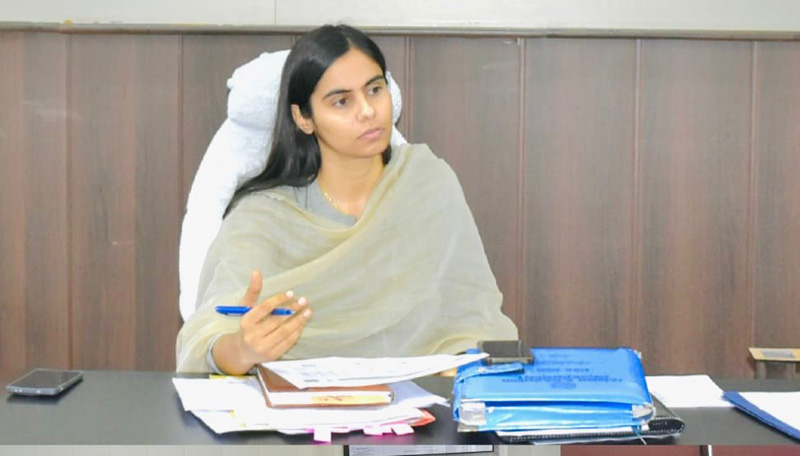
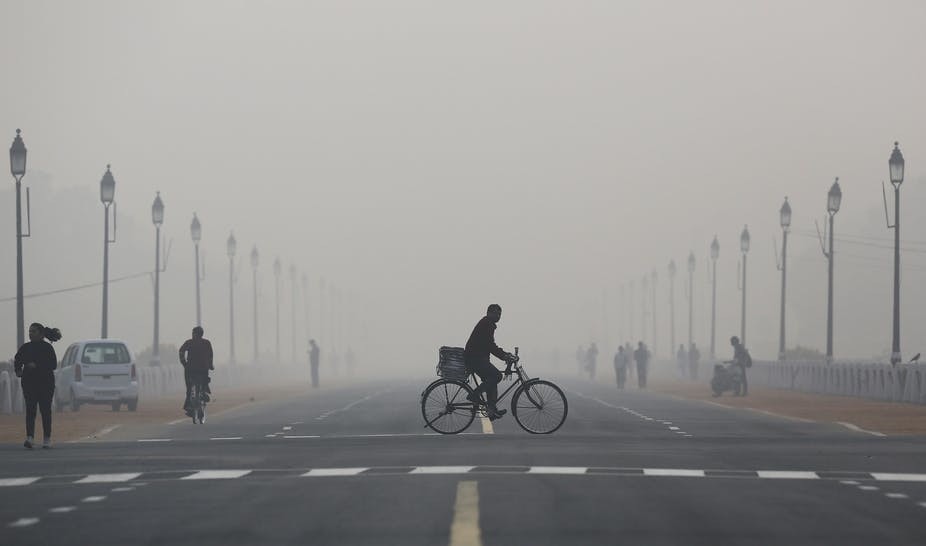
In a letter to state chief secretaries, Union Health Secretary Punya Salila Srivastava highlighted that air quality in several parts of India dips to “poor” or “severe” levels during winter, posing serious health threats.
“Together, we can work towards a healthier, cleaner, and more resilient ecosystem,” Srivastava said.
The advisory identifies children under five years, the elderly, pregnant women, individuals with asthma or heart conditions, and people from low-income groups as the most vulnerable to air pollution.
Healthcare institutions have been asked to ensure the availability of medicines, oxygen cylinders, nebulisers, ventilators, hospital beds, wheelchairs, stretchers, and ambulances, and to maintain proper referral mechanisms. Facilities must also monitor daily AQI levels in coordination with state pollution control boards.
States have been directed to take measures to reduce pollution at the source, including curbing emissions from construction sites, open waste burning, and crop residue fires, and restricting the burning of plastics and packaging materials.
The advisory also mandates that construction workers be provided with masks or personal protective equipment (PPE) to safeguard them from exposure to fine particulate matter (PM2.5) and dust. Regular water sprinkling should be carried out to control dust, and health check-ups and job rotations must be implemented to limit prolonged exposure.
For schools, the advisory calls for minimizing outdoor activities when AQI levels are poor or worse. Schools have been asked to avoid outdoor games, assemblies, and celebrations, and to keep students indoors during breaks on highly polluted days. Teachers, medical staff, and parents should be sensitised to air pollution-related health risks and coordinate with nearby healthcare facilities for emergencies.
Schools are also encouraged to raise awareness through educational activities and competitions on air pollution, rewarding students for active participation in environmental initiatives.
The document further explains that the health impact of air pollution depends on exposure levels, duration, and individual vulnerability. Short-term exposure can cause symptoms such as eye irritation, cough, wheezing, chest pain, headache, and dizziness, while long-term exposure may lead to chronic diseases like COPD, asthma, heart disease, strokes, lung cancer, and even premature death.