






New Delhi: The Centre has told the Supreme Court that imposing fixed timelines on governors and the president for acting on bills passed by state assemblies would constitute one branch of government overstepping powers not granted by the Constitution, leading to “constitutional disorder.”
In written submissions filed in the Presidential Reference, which raises constitutional questions about whether such timelines can be enforced, the Centre argued that:
“The alleged failure, inaction, or error of one organ does not and cannot authorise another to assume powers not vested in it. Allowing this under the guise of public interest or constitutional ideals would disrupt the constitutional framework envisioned by its framers.”
Solicitor General Tushar Mehta, in the note, said that imposing deadlines would undermine the delicate balance established by the Constitution and erode the rule of law. Any perceived lapses must be addressed through constitutional mechanisms such as electoral accountability, legislative oversight, executive responsibility, or consultative processes among democratic organs. The note emphasized that Article 142 does not empower the court to introduce a concept of “deemed assent” that would upend the legislative and constitutional process.
The positions of governor and president are “politically plenary” and uphold “high ideals of democratic governance.” The Centre maintained that any issues should be resolved through political and constitutional channels, not necessarily via judicial intervention.
Mehta highlighted that Articles 200 and 201, which govern governors’ and presidents’ actions on state bills, intentionally do not specify timelines. Where the Constitution imposes time limits, it does so explicitly; otherwise, flexibility is deliberate. Introducing judicially mandated deadlines, he argued, would effectively amend the Constitution.
The note further stressed that while checks and balances exist, certain powers—like gubernatorial assent—remain exclusive to specific state organs. This assent is both executive and legislative in nature, making it unique and non-justiciable. The dual nature of the power demands a specially calibrated judicial approach, the submission said.
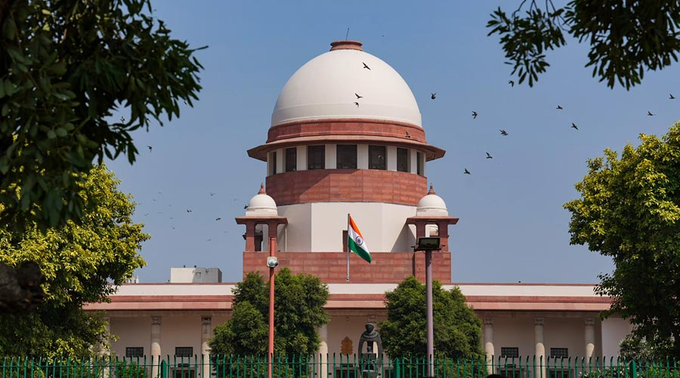
The Supreme Court has scheduled hearings on the Presidential Reference starting August 19. A five-judge bench led by Chief Justice of India B. R. Gavai has directed the Centre and states to file written submissions. The bench, including Justices Surya Kant, Vikram Nath, P. S. Narasimha, and A. S. Chandurkar, will first hear preliminary objections from states like Kerala and Tamil Nadu challenging the maintainability of the Reference.
Hearings for states supporting the Reference are set for August 19, 20, 21, and 26, while those opposing it will be heard on August 28, and September 2, 3, and 9.
The Presidential Reference follows President Droupadi Murmu exercising powers under Article 143(1) in May to seek the court’s opinion on whether judicial orders can impose timelines for presidential discretion in dealing with state bills. This was in response to an April 8 Supreme Court verdict concerning the powers of the Tamil Nadu governor, which for the first time mandated that governors act on bills within three months and follow the council of ministers’ advice, removing discretionary powers. The verdict also allowed state governments to approach the Supreme Court if the president withholds assent on a bill referred by a governor.