






Flying Squads to Conduct Surprise Checks on High-Risk Food Products
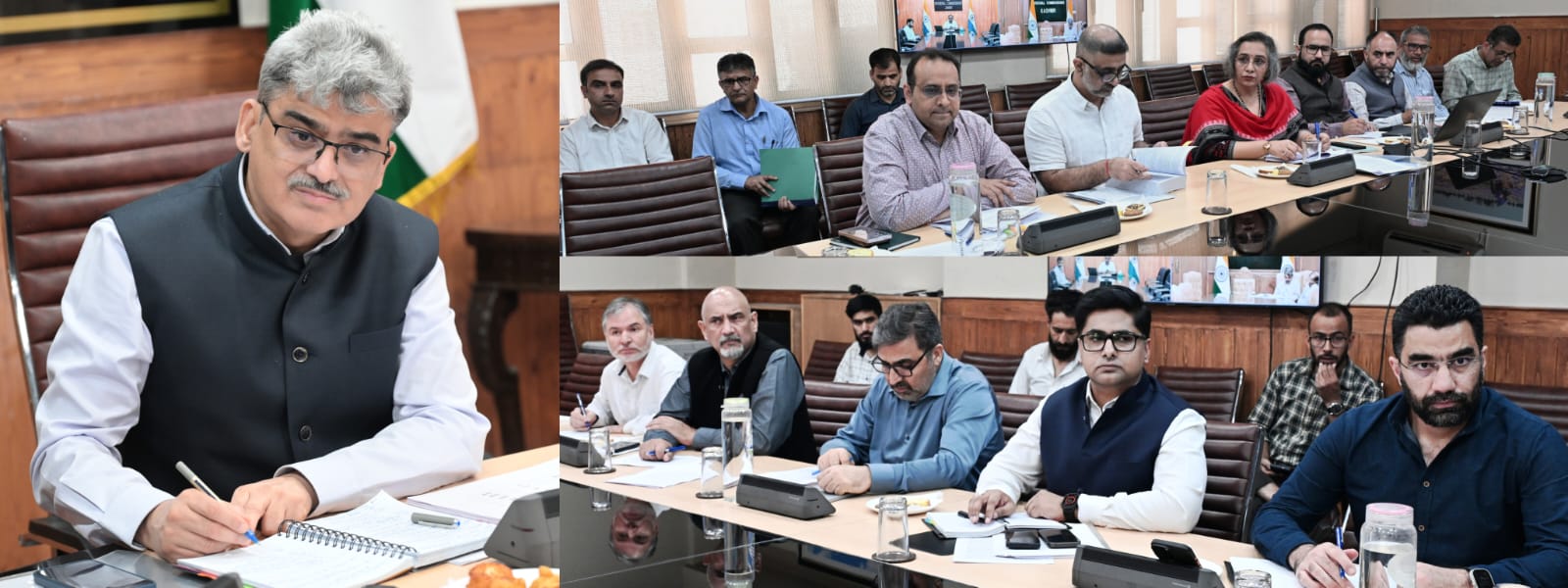
SRINAGAR: In a decisive move to safeguard public health and ensure the availability of safe, high-quality food products, Chief Secretary Atal Dulloo today chaired an inter-departmental meeting to review the Union Territory’s comprehensive food safety action plan.
The review comes in the wake of recent seizures of substandard meat and dairy products in various parts of J&K, highlighting growing concerns over food adulteration and public safety.
The meeting was attended by senior officials including the Commissioner Secretary of FCS&CA, H&UDD, H&ME; Divisional Commissioners of Jammu and Kashmir; Secretary of Law; Commissioner FSD; Director FCS&CA Jammu/Kashmir; DG Budget; and Directors of Health, among others.
During the deliberations, the Chief Secretary directed the Food and Civil Supplies Department to take strict action against unlabelled and non-standard packaged food, particularly imported products lacking ingredient and product details, describing such practices as blatant legal violations.
He reviewed the action plan prepared by the Food Safety Wing in coordination with departments such as Housing & Urban Development, Agriculture, Animal Husbandry, and District Administration. The plan outlines both immediate and long-term measures to eliminate substandard food items from the market and ensure strict compliance with safety norms.
Key Features of the Action Plan:
Joint Inspection Teams & Flying Squads: Surprise checks targeting high-risk sectors like meat, milk, and bakery products.
District-Wise Mapping: Cataloguing food businesses, including producers, processors, and vendors, for focused inspections.
Infrastructure & Surveillance: Establishment of checkpoints, cold-chain facilities at toll plazas, entry points, and major transport routes; strict monitoring of consignments from other states.
Meat Supply & Processing: Addressing a deficit of 257.5 lakh kg of meat through regulated, safe supply mechanisms and the development of modern slaughterhouses with frozen storage for scientific processing and distribution.
Sanitation & Hygiene Enforcement: Mandatory standards at meat shops and food hubs, with routine inspections by qualified veterinary officers.
Public Awareness Campaigns: Collaboration with NGOs, SHGs, and cooperatives to educate citizens on food safety, alongside initiatives encouraging public reporting of adulteration and malpractices.
District-Level Advisory Committees (DLACs): Monthly meetings to review progress and resolve challenges.
Role of Departments: Food Safety Wing to handle licensing, inspections, and traceability; Agriculture and Animal Husbandry to promote best practices; District Administrations to expedite legal action against violators.
Chief Secretary Dulloo stressed that effective inter-departmental coordination will be central to the initiative, directing all departments to work closely to ensure only safe, hygienic, and quality food reaches the market.
This comprehensive strategy emphasizes regulation, awareness, accountability, and public trust. The administration calls on all citizens and food business operators to support the initiative to protect public health and ensure the availability of safe, quality food across the Union Territory.