






New Delhi: Chief Justice of India (CJI) B.R. Gavai on Saturday observed that some non-judicial members of tribunals, often ex-bureaucrats, tend to avoid passing orders against the government and urged them to reflect on this tendency.
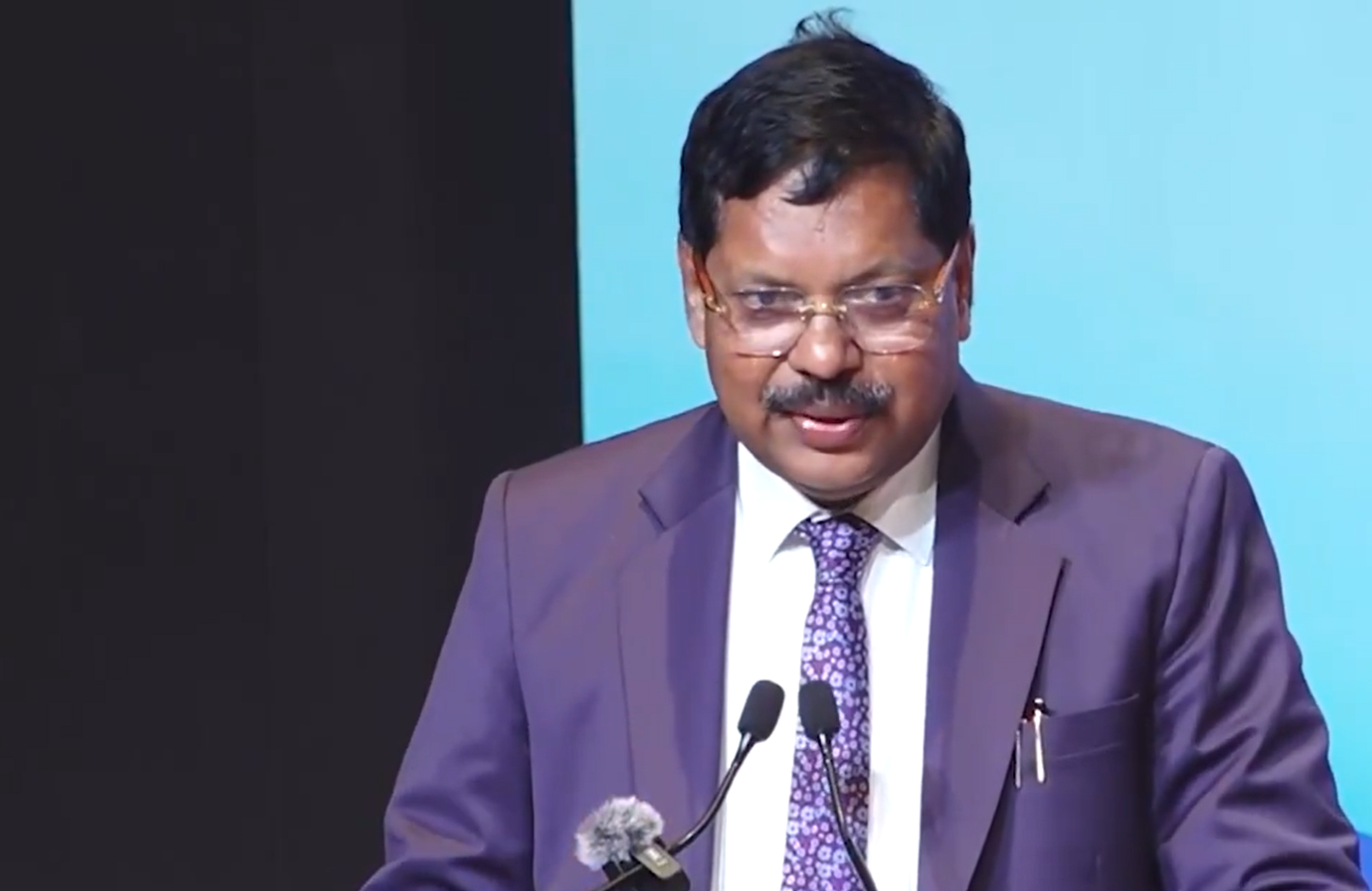
Speaking at the 10th All India Conference of the Central Administrative Tribunal (CAT) 2025, in the presence of Union Law Minister Arjun Ram Meghwal and Union Minister of State in the Prime Minister’s Office Jitendra Singh, CJI Gavai highlighted several challenges confronting tribunals and India’s justice delivery system.
He noted that administrative tribunals occupy a unique space between the executive and judiciary, with members drawn from both administrative services and the judiciary. While this diversity combines judicial expertise with administrative experience, it requires consistent training and uniform standards of eligibility and conduct.
“Judicial members benefit from exposure to public administration, while administrative members require training in legal reasoning. Some administrative members, however, appear reluctant to pass orders against the government. They must reflect on this,” the CJI said. He emphasized that workshops, conferences, and judicial training programs can greatly enhance the effectiveness of tribunal members.
CJI Gavai also advocated for a uniform appointment process with clear eligibility criteria to prevent arbitrariness and strengthen public trust.
Addressing the issue of frequent appeals from tribunal decisions, he noted that even when CAT and high courts reach concurrent findings, appeals often reach the Supreme Court, driven by bureaucrats’ risk aversion. “A central agency to filter whether a matter merits appeal could reduce the pendency of cases. The central government remains the largest litigant before the Supreme Court and high courts,” he said.
He pointed out that prolonged litigation often outlasts officials’ tenures, undermining tribunals’ purpose. He further urged the government to ensure uniform service conditions for tribunal members to attract retired high court judges and capable judicial officers.
CJI Gavai also criticized certain courtroom behaviors, referring to a Supreme Court directive requiring three years of experience for law graduates to appear in judicial service exams. He cited cases where inexperienced judges mistreated senior lawyers, and a recent incident where a young lawyer fainted in court after being browbeaten.
“Judges and lawyers are like two wheels of the golden chariot of justice. Both must work together to ensure fair justice for citizens,” he said, urging all stakeholders to uphold this responsibility both inside and outside the courtroom.
He lauded the contributions of CAT and state tribunals in reducing litigation backlogs. Attorney General R. Venkatramani also spoke, emphasizing the role of tribunals in easing the justice delivery system.