







CS Atal Dulloo, NITI Aayog Discuss Modalities for Establishing Tele-ICU Network Across J&K
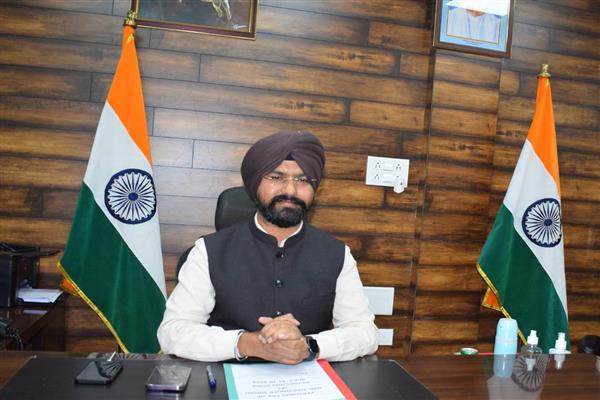
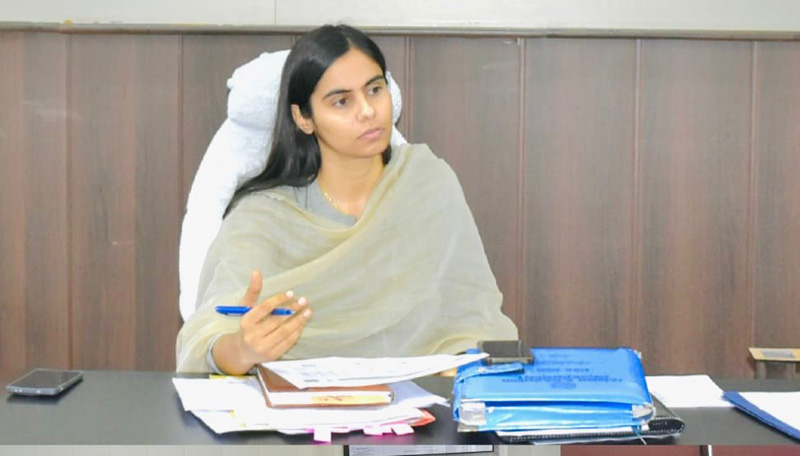
SRINAGAR: Chief Secretary, Atal Dulloo, today held an extensive discussion with Member, NITI Aayog, Dr. V.K. Paul, to deliberate on the establishment of Tele-ICU facilities across the newly established Government Medical Colleges (GMCs) in Jammu and Kashmir.
The meeting marked a significant step towards creating a technology-driven critical care network aimed at strengthening peripheral healthcare institutions across the Union Territory.
During the meeting, Dr. Paul shared valuable insights and cited successful Tele-ICU models implemented by leading health technology providers such as Apollo TeleHealth, Medanta, Cloudphysician, and HealthNet. He emphasized the need to study these models to identify the best strategies suited to J&K’s unique healthcare landscape, considering its distinct geography and institutional diversity.
Dr. Paul underscored the importance of assessing each hospital’s specific needs and infrastructure before implementation. He also highlighted the need for capacity building, continuous medical education, and hands-on training for medical staff to ensure the sustainability and success of the Tele-ICU initiative.
Expressing gratitude for the guidance and technical inputs shared by Dr. Paul, the Chief Secretary reaffirmed the UT Administration’s commitment to integrating advanced healthcare innovations within the public health system. He said that the Government of J&K is working to establish Tele-ICU facilities under a hub-and-spoke model, ensuring 24×7 critical care monitoring, expert consultation, and real-time clinical support for peripheral hospitals. Under this model, the newly established GMCs will function as spokes connected to a central command hub within the UT.
To ensure effective implementation, Dulloo proposed deputing an expert team from J&K to reputed healthcare institutions across the country to study the design and operational models of existing Tele-ICU hubs and command centres. He emphasized that despite challenges posed by terrain and human resource limitations, the administration is determined to develop a customized, scalable model to strengthen healthcare delivery at the grassroots level.
Highlighting the next steps, the Chief Secretary directed the Health & Medical Education Department to finalize the technical, administrative, and financial framework of the initiative. He stressed the creation of a state-of-the-art Tele-ICU hub within J&K, equipped with expert professionals and technology partners to provide continuous clinical guidance, training, and quality assurance. The proposed hub will also serve as a training and mentoring centre for medical staff across the UT, eventually paving the way for regional hubs to expand coverage.
Secretary, Health & Medical Education Department, Dr. Syed Abid Rashid Shah, informed that the department has proposed establishing at least a 10-bedded Tele-ICU unit in each of the new GMCs. He outlined the preparatory work already completed and presented a roadmap for phased implementation, including infrastructure readiness, technology procurement, and staff training.
Principals of various GMCs shared their perspectives on operational feasibility, interconnectivity, and the potential clinical benefits of the initiative. Other participants included MD NHM, MD JKMSCL, Principals of GMCs and Dental Colleges, and other senior officers.
The deliberations underscored the Administration’s focused approach to leveraging telemedicine and digital health technologies to bridge gaps in healthcare access, particularly in remote and underserved areas. The proposed Tele-ICU network is expected to significantly enhance J&K’s critical care capacity, ensuring timely interventions, expert supervision, and improved patient outcomes across all levels of the healthcare system.