






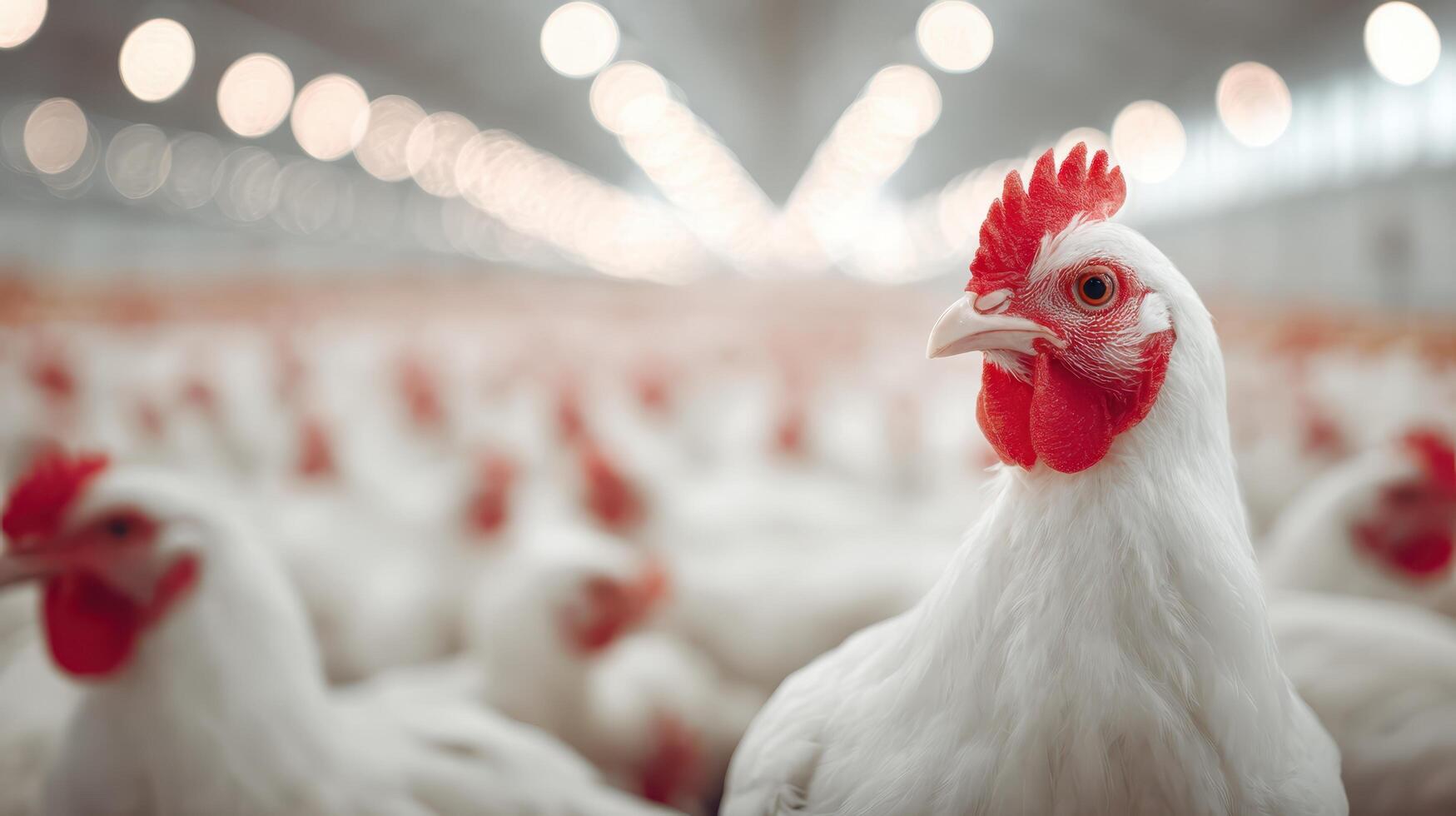
The incident has shaken public confidence in routine food-safety checks and raised urgent questions about inspection procedures, certification practices, and supply-chain accountability. Local consumers said they were alarmed to learn that poultry found dead — and therefore unfit for sale — had been accompanied by paperwork indicating the birds were cleared for distribution.
Community leaders and consumer-rights activists called for a transparent probe and independent laboratory testing of the carcasses and any related samples. They urged authorities to trace the origin of the poultry, identify the certifying official or agency, and publish findings so residents can be reassured about the safety of their food.
Food-safety experts note several possible explanations for such a lapse, including administrative error, forged or misused certificates, inadequate on-site inspections, or failures in cold-chain management. Any of these would point to systemic weaknesses rather than an isolated mistake, they say.
Officials at the local health and veterinary departments have been asked to respond publicly and to share the steps they are taking. Immediate measures typically recommended in such cases include quarantining affected batches, conducting microbiological and toxicological tests, suspending implicated vendors pending inquiry, and reviewing certification protocols to prevent recurrence.
For consumers, the episode underscores the importance of vigilance: checking purchase sources, preferring trusted vendors, and reporting suspicious products to authorities. For regulators and suppliers, it is a reminder that certificates alone cannot substitute for rigorous, verifiable inspections and clear accountability across the supply chain.
The coming days are likely to see calls for stricter enforcement, clearer documentation standards, and faster public communication from authorities to restore trust and ensure food safety across the region.