






Delhi Doctors Sound Alarm as Pollution Triggers Surge in Respiratory Illnesses
New Delhi: Doctors across Delhi have raised serious concerns over a sharp rise in pollution-related illnesses, warning that the deteriorating air quality in the national capital is severely impacting public health.
According to medical experts, hospitals are witnessing a spike in cases of respiratory distress, with patients reporting throat irritation, rhinitis, runny nose, itchy eyes, and chest congestion. Doctors have also noted worsening symptoms among those suffering from chronic respiratory and cardiac conditions such as asthma, chronic obstructive pulmonary disease (COPD), and interstitial lung disease (ILD).
Dr. Pulin Gupta, Professor at PGIMER, said that outpatient departments (OPDs) are “flooded” with patients suffering from pollution-induced ailments, marking a 22–25% increase in respiratory illnesses.
“Due to the severe pollution, we are seeing a surge in cases of bronchitis and acute asthma attacks. ENT departments are also filled with patients suffering from sinusitis, runny or bleeding noses, and skin problems like dermatitis. Many are complaining of dry, red, or watery eyes and even reduced vision,” Dr. Gupta explained. “Elderly individuals, smokers, and those with a history of tuberculosis are especially at risk of developing severe complications.”
Echoing these concerns, Dr. Bobby Bhalotra, Senior Consultant and Vice Chairman of the Department of Chest Medicine at Sir Ganga Ram Hospital, described Delhi’s air quality this year as “the most hazardous in recent times.”
“This toxic air has come suddenly with the onset of winter. We are seeing many new cases of throat irritation, congestion, and chest pain. Patients with asthma, COPD, ILD, or heart conditions are experiencing severe symptom flare-ups,” he said. “Children, the elderly, and those with chronic illnesses are the most vulnerable.”
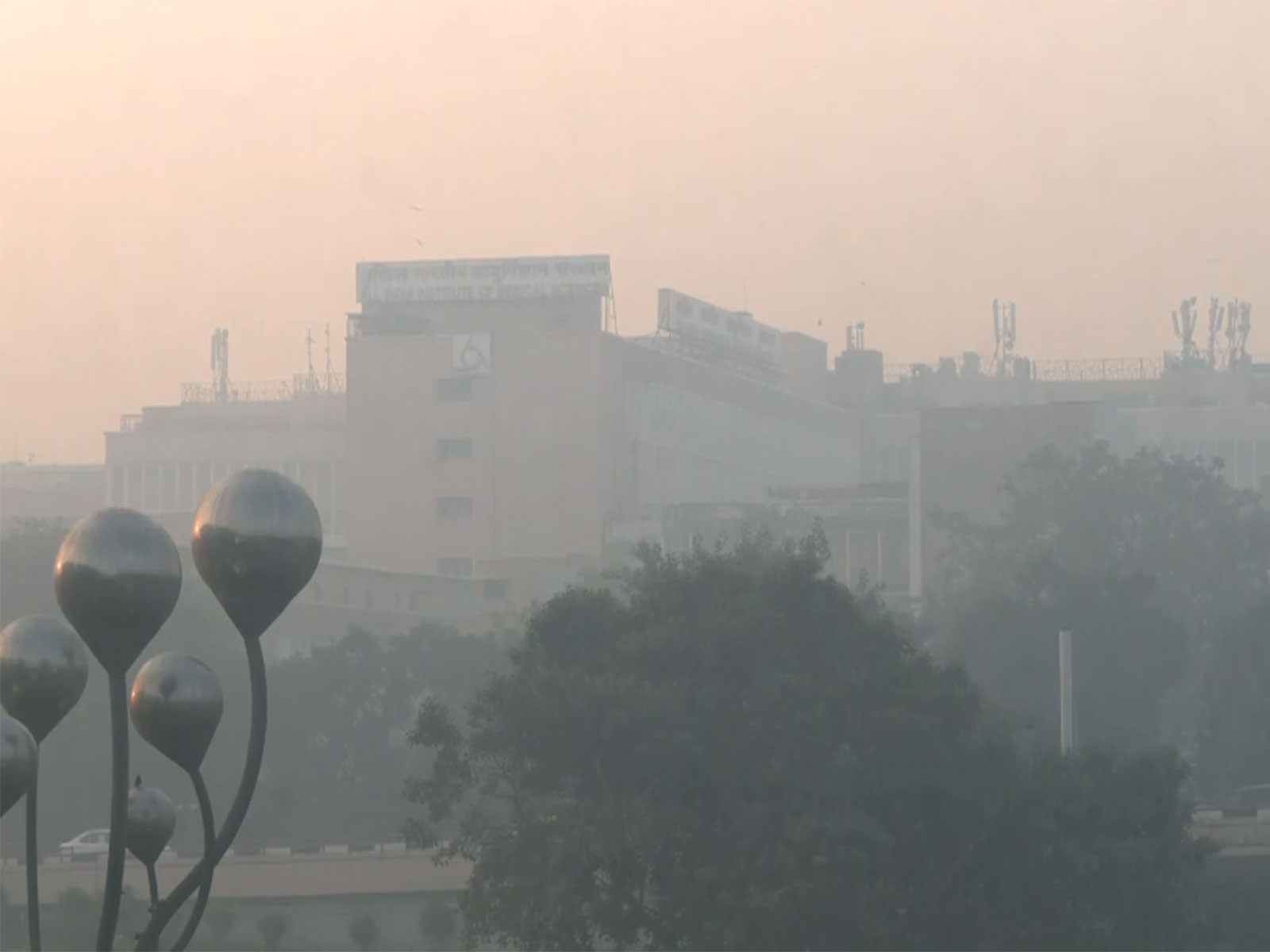
Meanwhile, Delhi’s air quality continued to deteriorate on Thursday morning, with the overall Air Quality Index (AQI) at 271 at 8 am, up from 202 recorded at 4 pm on November 5, according to the Central Pollution Control Board (CPCB). Despite the worsening conditions, the AQI remained in the ‘poor’ category across several areas.
As per CPCB data:
Burari Crossing: AQI 280
Dwarka Sector 8: AQI 296
ITO: AQI 295 (up from 274 the previous morning)
Narela: ‘Very Poor’ at 302
Bawana: ‘Very Poor’ at 337
Dilshad Garden: ‘Moderate’ at 183
Dr. Bhalotra urged citizens to minimize outdoor exposure and avoid strenuous physical activity until air quality improves.
“Do not engage in outdoor sports, jogging, or heavy exercise,” he advised. “Elderly people should stay indoors during early mornings and go out only after sunrise, wearing masks. I also urge the government to promote hybrid work models to reduce vehicular pollution and exposure to particulate matter.”
With pollution levels continuing to rise, doctors warn that without urgent action, the health crisis in Delhi could worsen significantly in the coming weeks.