






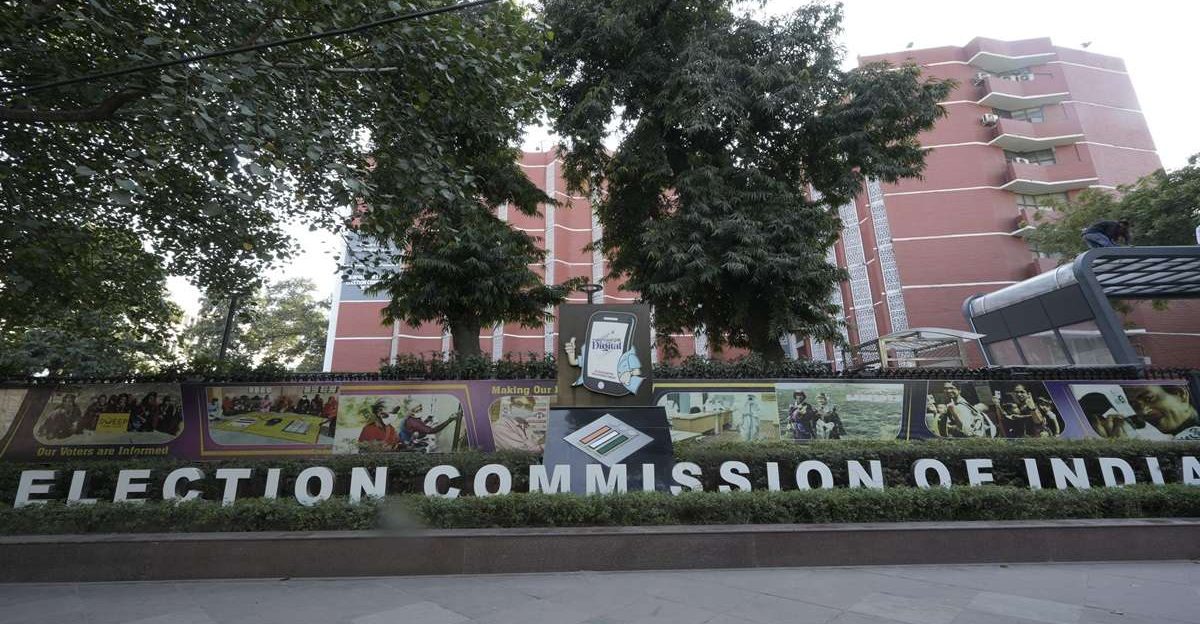
New Delhi: The Election Commission of India (ECI) leadership is holding a two-day meeting with state chief electoral officers (CEOs) from Wednesday to finalise plans for a nationwide Special Intensive Revision (SIR) aimed at cleaning up voter lists across the country. This is the second such meeting since September to decide on the large-scale electoral roll revision exercise.
Chief Election Commissioner (CEC) Gyanesh Kumar and Election Commissioners S. S. Sandhu and Vivek Joshi are leading the deliberations, which will continue till Thursday. According to officials, one key proposal under consideration is to conduct the SIR in phases, beginning with states slated to hold assembly elections next year.
However, the ECI may defer the exercise in states where local body polls are currently being held or are due soon, as the poll machinery there is already engaged in election-related duties. Assembly elections are due in Assam, Kerala, Puducherry, Tamil Nadu, and West Bengal in 2026, and these states are likely to be part of the first phase, along with a few others.
In Bihar, a similar voter list cleanup has already been completed, with the final electoral roll—containing around 7.42 crore names—published on September 30. The CEC had earlier confirmed that preparations were underway for a pan-India rollout of the SIR, with the final decision to be taken soon.
At a press conference announcing the Bihar assembly polls, the CEC had recalled that the EC unveiled its national SIR plan on June 24, when Bihar’s revision exercise began. Officials said the three commissioners are now working on finalising the timelines for different states.
The EC had earlier directed state CEOs to prepare for the SIR rollout within 10–15 days and set September 30 as the deadline for readiness. CEOs have been instructed to use the electoral rolls published after their last SIR as the base document, many of which are already available on state election websites.
For example, Delhi’s CEO website hosts the 2008 electoral roll—the last time an intensive revision was carried out—while Uttarakhand’s last SIR dates back to 2006. In most states, the previous SIRs took place between 2002 and 2004, and these lists will serve as reference points for the upcoming exercise, similar to how Bihar’s 2003 roll was used earlier.
Officials said most states have nearly completed mapping their current electors with data from the last SIR. The primary goal of the revision is to identify and remove ineligible or foreign illegal voters by verifying the place of birth of registered electors.
The move gains importance amid heightened action in several states against illegal migrants, particularly those from Bangladesh and Myanmar.