






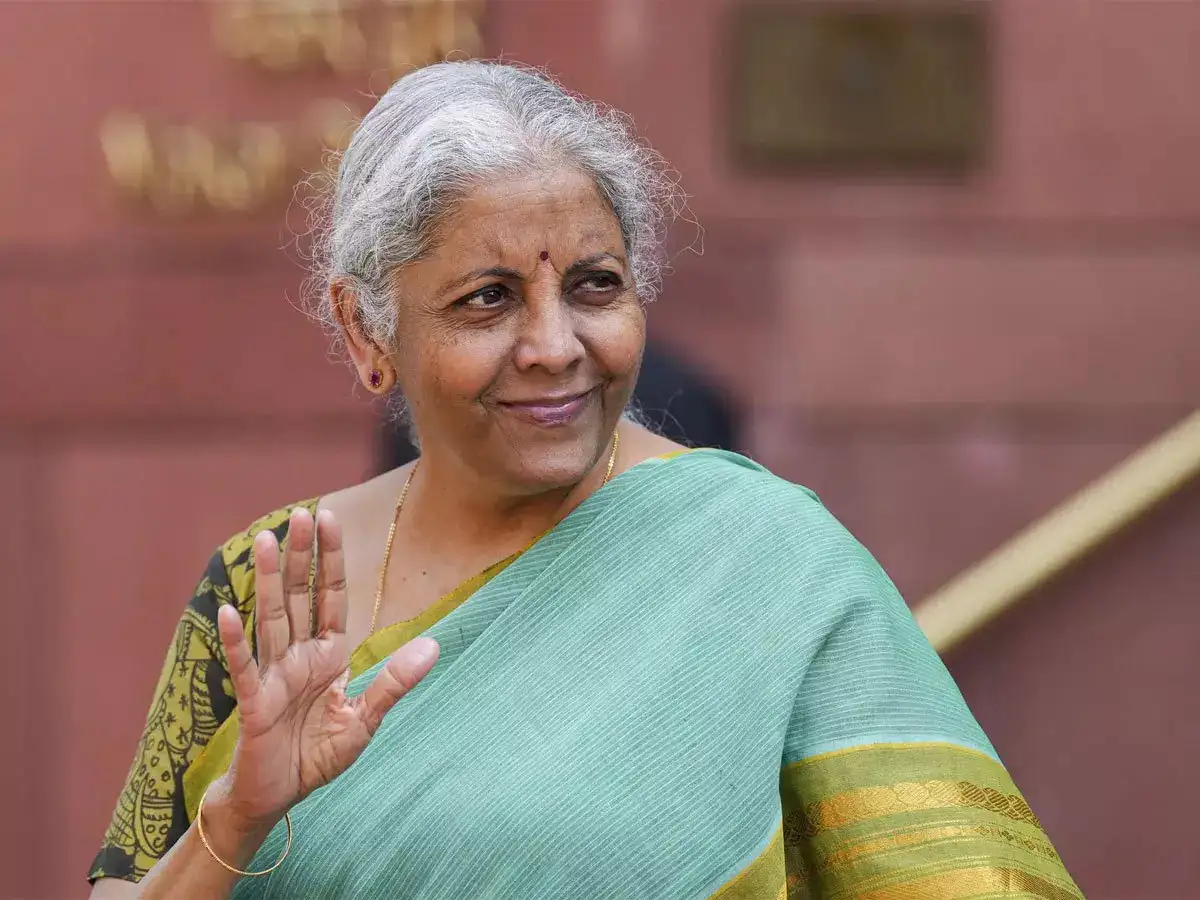
NEW DELHI, Dec 3: Finance Minister Nirmala Sitharaman clarified in the Lok Sabha that the excise duty proposed on tobacco and related products is not an additional tax but a continuation of the existing levy, ensuring that the overall tax incidence on such demerit goods remains unchanged. She emphasised that the revenue collected will be part of the divisible pool, with 41 per cent shared with the states.
Replying to the debate on the Central Excise (Amendment) Bill, the Minister explained that the measure is intended to replace the GST compensation cess currently levied on tobacco. The cess, introduced to compensate states for revenue losses during the transition to GST, will cease once the ₹2.69 lakh crore loan taken during the Covid period is repaid. The new excise duty will ensure that cigarettes and other tobacco products do not become more affordable after the cess ends.
“This is not an additional tax. This is not something that the Centre is taking away. This is not a cess. This is excise duty. It existed before GST and is now being reinstated to maintain the same tax burden,” Sitharaman said. She added that the revenue will be redistributed through the divisible pool, ensuring that states continue to benefit from the collections.
The Finance Minister underlined that the government’s intent is to maintain fiscal stability while discouraging consumption of tobacco products. She noted that the move is consistent with public health objectives and the principle of keeping demerit goods under higher taxation to curb usage.
The Lok Sabha passed the Bill with a voice vote, paving the way for the new excise duty framework to come into effect once the compensation cess is phased out. Opposition members, however, questioned whether the measure was aimed at filling fiscal gaps, while the government maintained that it was a structural correction to preserve tax incidence and ensure equitable revenue sharing.
With this clarification, the government has sought to reassure both states and consumers that the excise duty is not an extra burden but a continuation of the existing tax regime, aligned with the broader goals of fiscal responsibility and public health protection.