






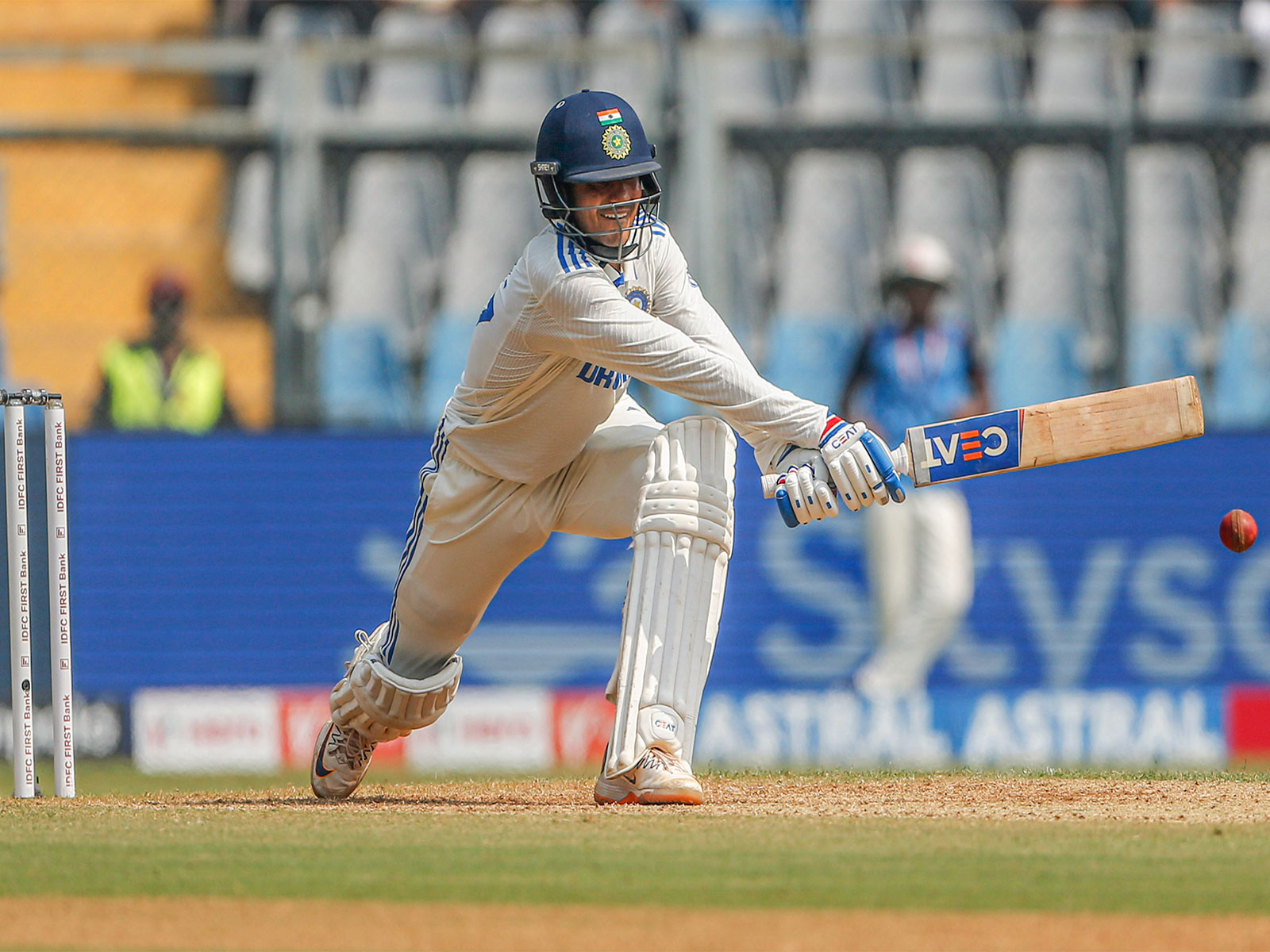
New Delhi: India’s Test captain Shubman Gill shed light on his decision to enforce the follow-on during the second Test against the West Indies at the Arun Jaitley Stadium, a move that sparked considerable debate among fans and pundits alike.
India wrapped up the series with a 2-0 whitewash, clinching a seven-wicket victory on Tuesday. Despite the commanding result, many questioned Gill’s choice to make the Windies bat again — a tactic rarely seen in modern-day cricket.
After opting to bat first, India piled on 518/5 (declared) thanks to stellar knocks from Yashasvi Jaiswal (175), Sai Sudharsan (87), and Gill’s unbeaten 129. In response, the West Indies faltered and were dismissed for 248, leaving India with a lead of 273 runs. Instead of padding the total further, Gill chose to enforce the follow-on — a decision that divided opinion, particularly since India’s bowlers had already sent down 81.5 overs.
Explaining his thought process at the post-match presentation, Gill said,
“We were around 300 runs ahead. We thought even if we scored 500 and needed to take 6 or 7 wickets on Day 5, it could still be tough. That was the thinking behind enforcing the follow-on.”
Celebrating his first series win as India’s Test captain, the 26-year-old admitted he’s still finding his footing as a leader but relished the responsibility that comes with the role.
“It’s a big honour to lead India — I’m still getting used to it. Managing players and making the right decisions in pressure situations is key. Sometimes, you have to take bold calls depending on who can deliver with the bat or ball,” Gill added.
With the Test series sealed, Gill now turns his attention to leading India in the upcoming three-match ODI series in Australia, before returning home to face World Test Championship holders South Africa in a two-Test series this November.