






New Delhi: The Indian government has intensified reforms in the liquefied petroleum gas (LPG) sector to enhance transparency, curb irregularities, and improve consumer experience in subsidy and distribution systems.
The Ministry of Petroleum and Natural Gas highlighted significant progress, particularly through the Direct Benefit Transfer of LPG (DBTL) – PAHAL scheme. This initiative has streamlined subsidy transfers and improved delivery mechanisms.
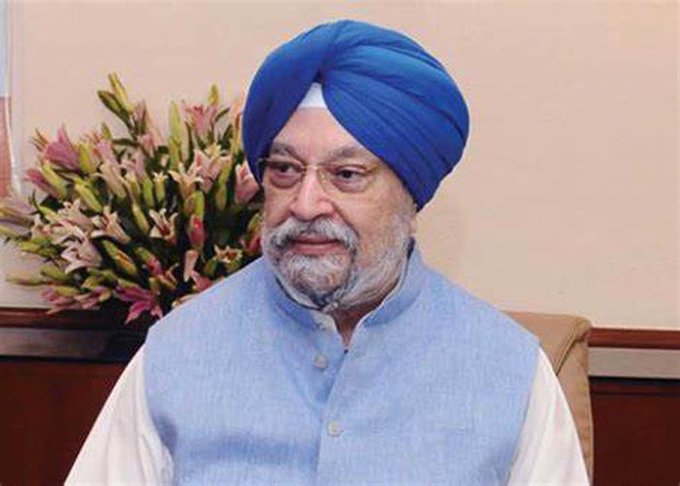
In a written reply to a Starred Question in the Rajya Sabha, Union Minister Hardeep Singh Puri detailed the multi-tiered reforms transforming the LPG subsidy framework. He said that the adoption of Aadhaar-based verification, biometric authentication, and the elimination of duplicate or ineligible connections have significantly strengthened the targeted subsidy delivery system.
Operational since January 2015, the PAHAL scheme ensures subsidies are credited directly to consumers’ bank accounts after they purchase LPG cylinders at market rates. Consumers also receive real-time SMS notifications at every stage of the transaction.
The system has played a critical role in eliminating fraudulent connections. As of July 1, 2025, more than 4.08 crore LPG connections have been blocked, suspended, or deactivated due to duplication or ineligibility.
To further tighten the system, the government introduced the Common LPG Database Platform (CLDP), which uses Aadhaar, bank details, and ration cards to identify and remove redundant entries. A nationwide biometric Aadhaar authentication drive is also underway to verify beneficiaries’ identities.
So far, biometric authentication has been completed for 67% of Pradhan Mantri Ujjwala Yojana (PMUY) beneficiaries. All new PMUY applicants must now undergo this verification before receiving a connection.
Consumer-facing reforms include a centralized IVRS/SMS-based booking system. Consumers receive alerts during booking, cash memo generation, and delivery, allowing them to monitor the process and flag discrepancies. A Delivery Authentication Code (DAC) system has been introduced to ensure accurate delivery.
Minister Puri added that Oil Marketing Companies (OMCs) conduct both routine and surprise inspections of LPG distributors. These inspections are carried out by local, regional, and zonal teams, as well as specialized units such as the Anti-Adulteration Cell and Vigilance Department.
A Standard Operating Procedure (SOP) issued in January 2025 led to the termination of approximately 12,000 PMUY connections that remained unused after installation. Since the scheme’s launch, a total of 8.49 lakh such connections have been terminated.
To reduce subsidy transaction failures, the government has prioritized Aadhaar integration. Currently, 92.44% of India’s 33.05 crore active LPG users have Aadhaar-linked accounts with OMCs. Additionally, 86.78% of the 30.63 crore DBTL beneficiaries are fully Aadhaar Transfer Compliant.
During 2024–25, about 194 crore LPG refills were delivered, with complaints registered in just 0.08% of cases — mostly concerning subsidy transfers or delivery delays — showcasing the improved efficiency of the system.