






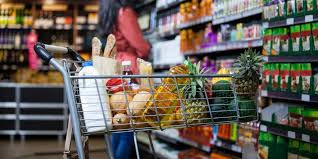
New Delhi: The new GST rates took effect on Monday, cutting prices of 375 items—from toothpaste, shampoo, and medicines to cars, tractors, and televisions—in a major push to boost consumption amid global tariff challenges.
The previous four slabs of 5%, 12%, 18% and 28% have been merged into just two rates: 5% and 18%. As a result, prices of 99% of daily-use items have dropped. FMCG, automobile, electronics, and pharma companies have already announced price cuts.
Finance Minister Nirmala Sitharaman visited Delhi’s Laxmi Nagar market, where shopkeepers confirmed that stationery costs had come down, benefiting students and parents.
Prime Minister Narendra Modi hailed the reform as “GST Bachat Utsav”, noting that, combined with the Income Tax exemption hike to ₹12 lakh, households could save up to ₹2.5 lakh crore annually. He said reduced costs would ease big-ticket purchases like homes, vehicles, appliances, and vacations.
Government estimates suggest:
13% savings on groceries and essentials.
₹70,000 savings on small cars.
7–12% savings on clothing, footwear, stationery, and medicines.
18% savings on life and health insurance premiums (now GST-exempt).
₹40,000 savings on tractors (GST cut to 5%).
₹8,000 savings on two-wheelers up to 350cc.
₹3,500 savings on TVs above 32 inches.
₹2,800 savings on air conditioners.
Home Minister Amit Shah described the reform as proof of Modi’s “steely resolve” to serve the poor, youth, women, and farmers.
However, opposition-ruled states accused the Centre of taking undue credit while shifting revenue losses to the states.
- Mamata Banerjee said states will bear the financial hit, not the Centre.
- Siddaramaiah accused Modi of “deceiving” people, saying the same government that raised GST is now celebrating cuts.
- A. Revanth Reddy demanded five years of compensation for states.
- Jairam Ramesh called the reform “limited” and “eight years too late,” questioning whether benefits will truly reach consumers.
The GST rate cut, coming just ahead of the festive season, is expected to drive demand and provide a cushion against slowing exports, especially after the US imposed a 50% tariff on Indian goods.