






NEW DELHI: Everyday essentials — from roti and paratha to hair oil, ice creams and televisions — will become cheaper as the GST Council on Wednesday approved a major revamp of the Goods and Services Tax (GST) framework. Personal life and health insurance premiums will also be exempt from tax.
Effective September 22, coinciding with the start of Navaratri, the GST structure will be streamlined into two slabs of 5% and 18%, replacing the current four-tier system of 5%, 12%, 18% and 28%. A special 40% rate will apply only to high-end items like luxury cars, yachts, aircraft for personal use, racing cars, tobacco and aerated drinks.
Key Highlights of the GST Overhaul:
- Daily essentials: Food items such as roti, paratha, paneer, butter, ghee, cheese, dry fruits, ice cream, biscuits, cereals, and fruit juices will now attract nil or 5% GST, down from 12–18%.
- Consumer goods: Toiletries (toothpaste, shampoo, soap, hair oil), kitchenware, bicycles, furniture and umbrellas will move to 5% GST from 12–18%.
- Education supplies: Erasers, exercise books, pencil sharpeners and maps will be tax-free.
- Insurance relief: All personal life and health insurance policies (including family floaters) are now fully exempt from GST.
- Cement & automobiles: Cement will fall to 18% from 28%. Small petrol and diesel vehicles, motorcycles up to 350cc, ACs, dishwashers and TVs will also be taxed at 18% instead of 28%.
- Luxury & sin goods: Large cars, high-capacity motorcycles, yachts, aircraft for personal use, tobacco products and sugary aerated drinks will attract the 40% GST slab (currently 28% + cess).
- Electric vehicles (EVs): Continue at 5% GST.
Fiscal Impact
Revenue Secretary Arvind Shrivastava estimated the cost of rate cuts at ₹48,000 crore, but said it was fiscally sustainable and would likely be offset by higher consumption and better compliance.
Consensus Among States
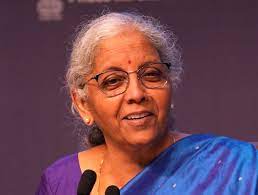
Union Finance Minister Nirmala Sitharaman said all decisions were unanimous. Opposition-ruled states, which earlier raised concerns about revenue loss, also supported the changes citing relief for the common man.
“The reforms have been carried out keeping the common man in focus. In most cases, tax rates have been slashed significantly,” Sitharaman said, adding the move would “positively impact GDP, agriculture, health and labour-intensive industries.”
The overhaul follows Prime Minister Narendra Modi’s Independence Day announcement on simplifying GST and comes at a time when Indian exports face steep US tariffs of up to 50%.