






New Criminal Laws Replace Colonial-era System, Ensure Faster Justice: LG Kavinder
Leh,: India took a historic step in reforming its criminal justice system on July 1, 2024, with the introduction of three new laws—the Bharatiya Nyaya Sanhita (BNS), Bharatiya Nagarik Suraksha Sanhita (BNSS), and Bharatiya Sakshya Adhiniyam (BSA). These laws replace outdated colonial-era legislation with a framework designed to ensure faster justice, empower victims, leverage technology, and safeguard citizens’ rights.
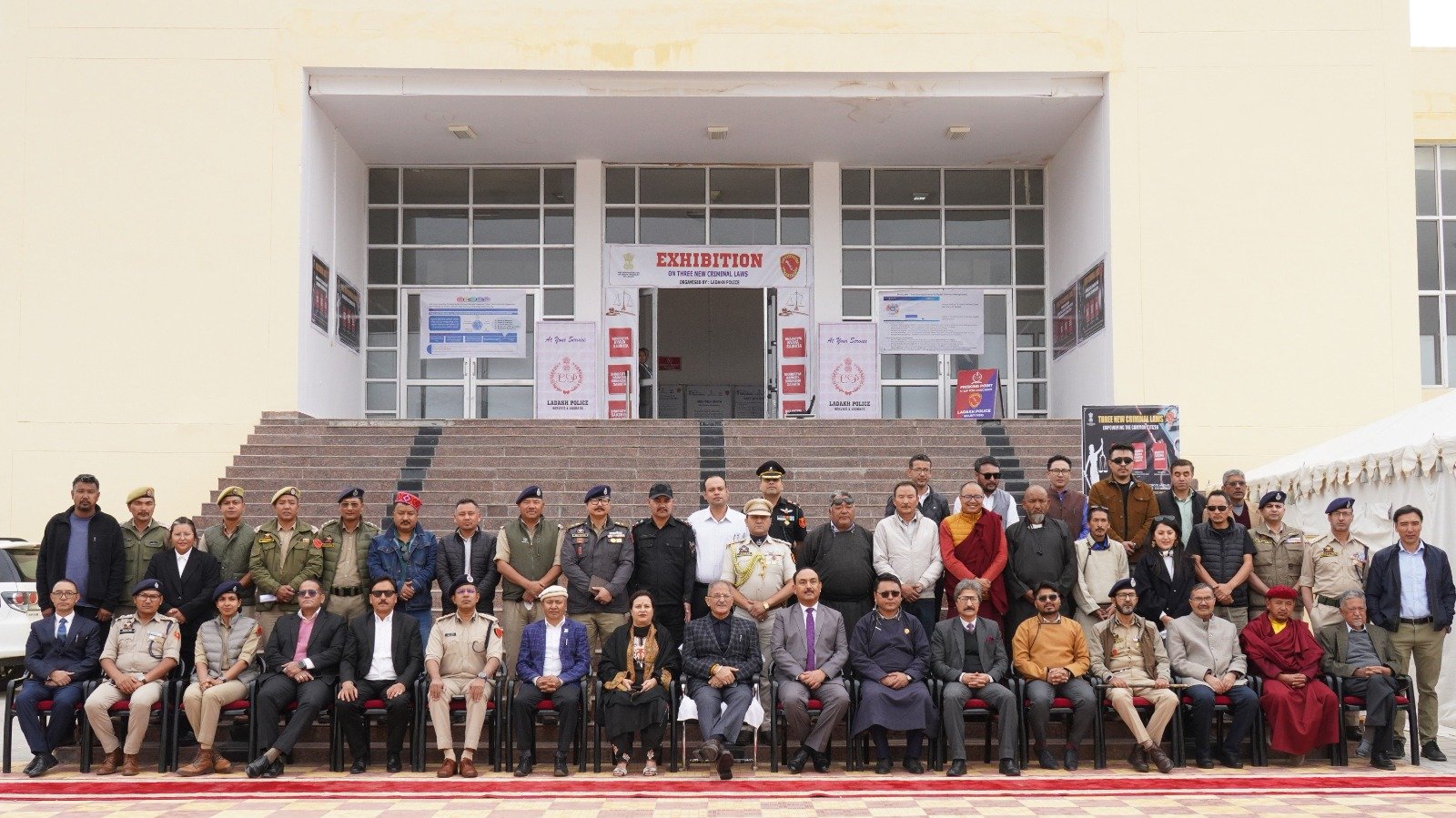
This was stated by the Hon’ble Lieutenant Governor of Ladakh, Shri Kavinder Gupta, while inaugurating a two-day exhibition on the new criminal laws organized by Ladakh Police at the Arya Nagarjuna Auditorium Hall, Central Institute of Buddhist Studies (CIBS), Choglamsar. He was accompanied by First Lady Smt Bindu Gupta.
The event was attended by prominent dignitaries, including LAHDC Leh Deputy Chairman Tsering Angchuk, Chief Secretary Dr. Pawan Kotwal, DGP Ladakh Dr. S.D. Singh Jamwal, Executive Councillors and Councillors of LAHDC Leh, Principal Secretaries, judges, heads of religious and political organizations, civil society members, former MP Ladakh Jamyang Tsering Namgyal, Vice-Chancellors of UoL and CIBS, government officials, and students from various schools.
The Lt Governor emphasized that the new laws embody Prime Minister Narendra Modi’s vision of a transparent, citizen-centric, and technology-driven justice system. He noted that India has taken a decisive step to replace colonial frameworks with modern legislation rooted in justice, equality, and governance. These reforms aim to make justice faster, accessible, and responsive, including for citizens in remote regions like Ladakh.
Highlighting Ladakh’s preparedness, Shri Gupta praised Ladakh Police for training personnel, equipping investigating officers with tablets and CUG SIMs for digital evidence collection, and conducting mock drills. Awareness campaigns through social media, TV, radio, schools, colleges, trade unions, women’s groups, and NGOs have also been undertaken.
He applauded notable achievements: Kargil Police Station became the first in the country to register a case under the new laws, file a chargesheet within five days, and secure a conviction. Ladakh has integrated the Zero FIR system with CCTNS, adopted MedLEaPR for instant medico-legal reports, and connected all police stations to the CCTNS CAS application for digital case management.
“This exhibition reflects our commitment to a citizen-centric and technology-driven justice system. Through live demos, mock cases, and digital policing displays, people can see the new framework in action,” Shri Gupta said, congratulating Ladakh Police and nodal officers for their efforts.
Chief Secretary Dr. Pawan Kotwal highlighted the replacement of British-era laws with the new criminal laws, emphasizing community service as a form of punishment to reduce undertrials in prisons. He also outlined plans for a strong prosecuting wing and a modern forensic laboratory in Ladakh.
DGP Ladakh, Dr. S.D. Singh Jamwal, spoke on the challenges of implementing the new laws in the Union Territory, praising the police force as a pioneer in India for enforcing these reforms. He expressed hope that the laws would contribute to a crime-free Ladakh and inspire more youth to join the police.
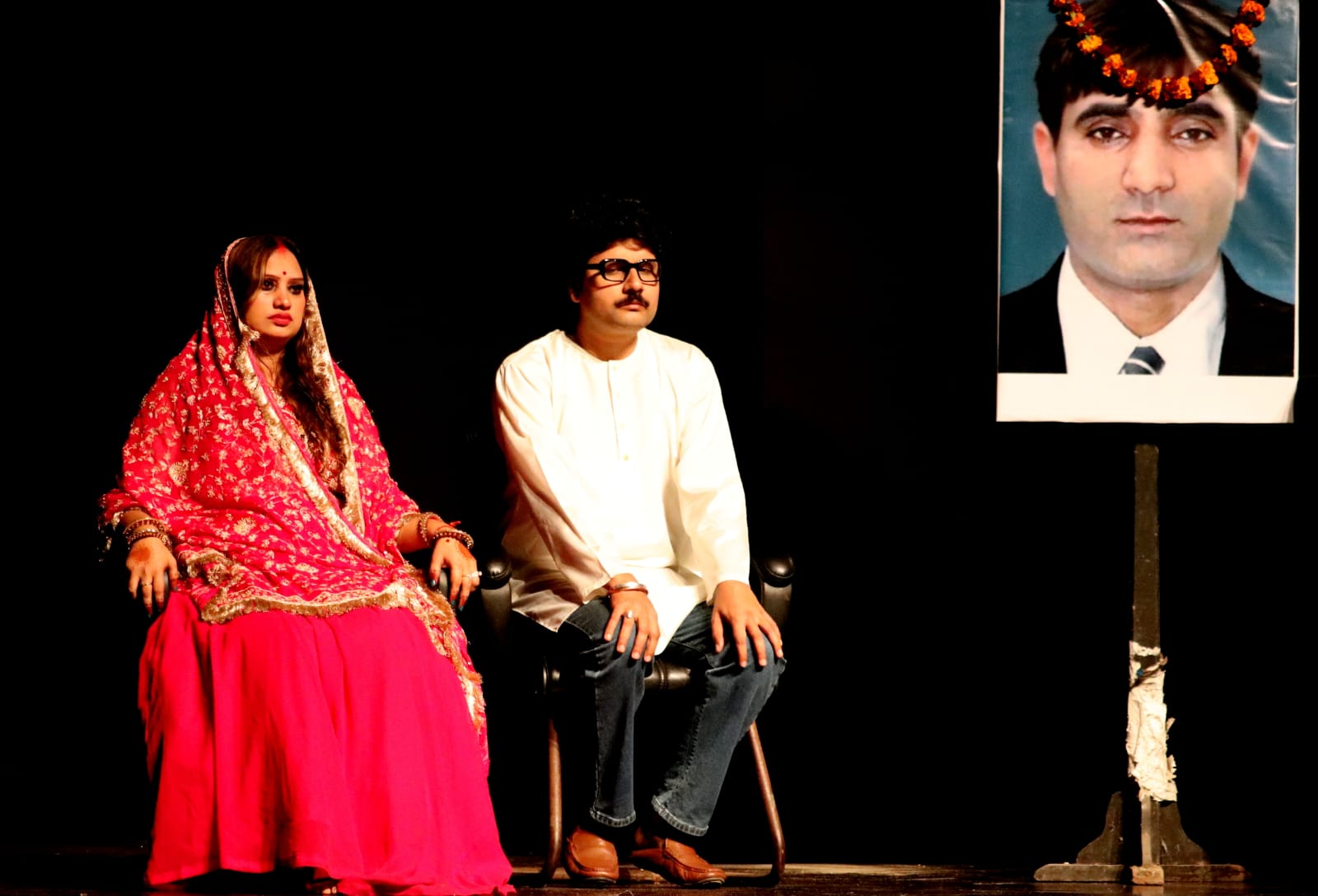
The event also featured a play on the BNSS Act 2023, engaging the audience and illustrating the law’s provisions in an accessible manner.