







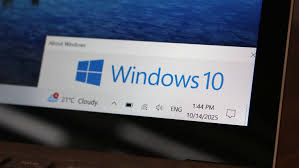
Windows 10 Update Deadline Approaches, Microsoft Makes Exception for EU Users
The Windows 10 support deadline is set to expire next month, affecting millions of PC users worldwide. However, Microsoft is making an exception for some regions due to regulatory requirements. Once the October 2025 cutoff passes, the company plans to stop offering updates for Windows 10 in most markets, including India.
European Union users, however, will continue receiving updates for at least another year. This exception is driven by the EU Digital Markets Act (DMA), a regulation that has already forced tech giants like Apple to adopt USB-C charging for iPhones and other devices. Now, Microsoft is required to adjust its update policy to comply with these rules.
Windows 10 in the EU – What About the Rest?
According to a report by WindowsCentral, Microsoft has confirmed it will maintain Windows 10 support in EU regions “to meet local expectations and deliver a secure experience.” While this ensures compliance in one region, users outside the EU will lose official support after the deadline, raising questions about fairness.
The impact could extend beyond Europe. If other countries observe Microsoft’s exception under regulatory pressure, they may consider similar mandates, potentially extending Windows 10 support in other regions. While PCs won’t stop functioning after October 14, 2025, the absence of security updates will leave millions of machines vulnerable—including over a million older Windows 10 devices.
Consumer advocacy groups have appealed to Microsoft CEO Satya Nadella, urging the company to reconsider its decision. They warn that ending Windows 10 support without a viable solution could expose users to cyberattacks and security threats. Cybersecurity firms like ESET have also noted that hackers may already be targeting systems that will soon become unprotected.
Beyond cybersecurity, there is concern over e-waste. Millions of obsolete PCs are expected to be discarded as users seek replacements, with estimates suggesting up to 400 million devices could become outdated, slower, and insecure in the coming months.