






Srinagar: The Mutahida Majlis-e-Ulema (MMU), a coalition of Muslim religious organizations in Jammu and Kashmir, on Tuesday expressed concern that the Supreme Court’s interim order on the Waqf (Amendment) Act has not addressed the broader constitutional and religious issues raised by the legislation.
On Monday, the Supreme Court put on hold certain key provisions of the Waqf (Amendment) Act, 2025, including the clause limiting the creation of a waqf to those practising Islam for the past five years. However, the court did not stay the entire law, citing the presumption of constitutionality in its favor.
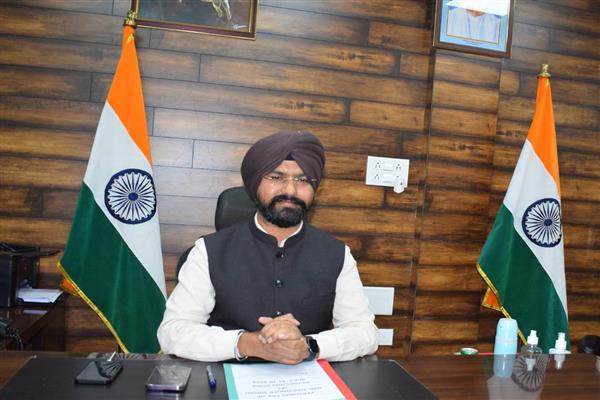
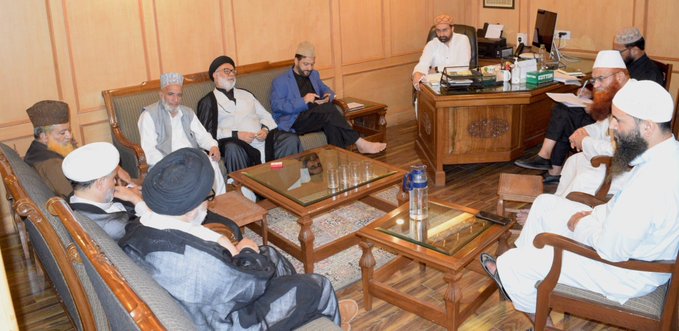
In a statement, the Mirwaiz Umar Farooq-led MMU said that while the interim order temporarily halts some provisions, it fails to address the wider constitutional and religious concerns, leaving the community “anxious and dissatisfied.”
The MMU emphasized that waqf is not merely a matter of property but a sacred religious trust, symbolizing “service to Allah.” It warned that any attempt to dilute Muslim control over these endowments or undermine their historic protection is unacceptable and violates constitutional principles, which grant each religious denomination the right to manage its own affairs.
“While the court’s partial interim relief is a positive sign, it does not go far enough,” the statement said.
The MMU highlighted that several provisions of the Act remain deeply troubling. In particular, the abolition of the long-standing principle of ‘Waqf by user’ endangers centuries-old mosques, shrines, graveyards, and community institutions that have functioned as waqf based on continuous use, even without formal deeds.
The mandatory requirement for a waqf deed, the group said, overlooks historical realities where such documents were lost or never existed, risking the loss of sacred status for these properties. Additionally, the transfer of survey powers from independent commissioners to district collectors, it argued, compromises neutrality and gives the state excessive control over religious trusts.