






National Seminar on Disaster Risk Reduction held at GDC Surankote
POONCH: Government Degree College (GDC) Surankote, in collaboration with the Land Resources Division of The Energy and Resources Institute (TERI), New Delhi, organized a One-Day National Seminar on Disaster Risk Reduction on the college campus today. The event, held in hybrid mode, marked the observance of the International Day for Disaster Risk Reduction (IDDRR) and aimed to promote awareness among youth about disaster preparedness, resilience, and environmental sustainability.
The seminar, themed “Youth for Resilient Pir Panjal: Reducing Disaster Risks through Awareness, Action and Preparedness,” focused on engaging students and academicians in proactive measures to mitigate disaster risks in the Pir Panjal region. The event also encouraged youth to champion climate action and sustainable living, in line with the national initiative Mission LiFE (Lifestyle for Environment).
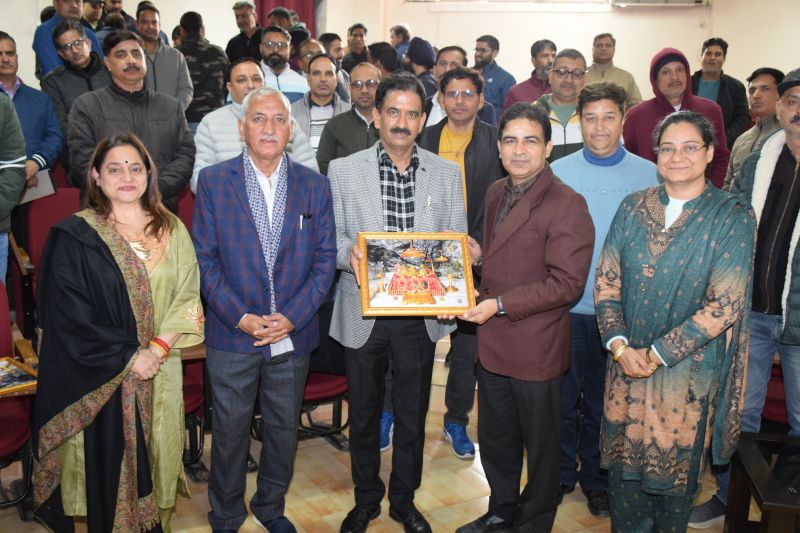
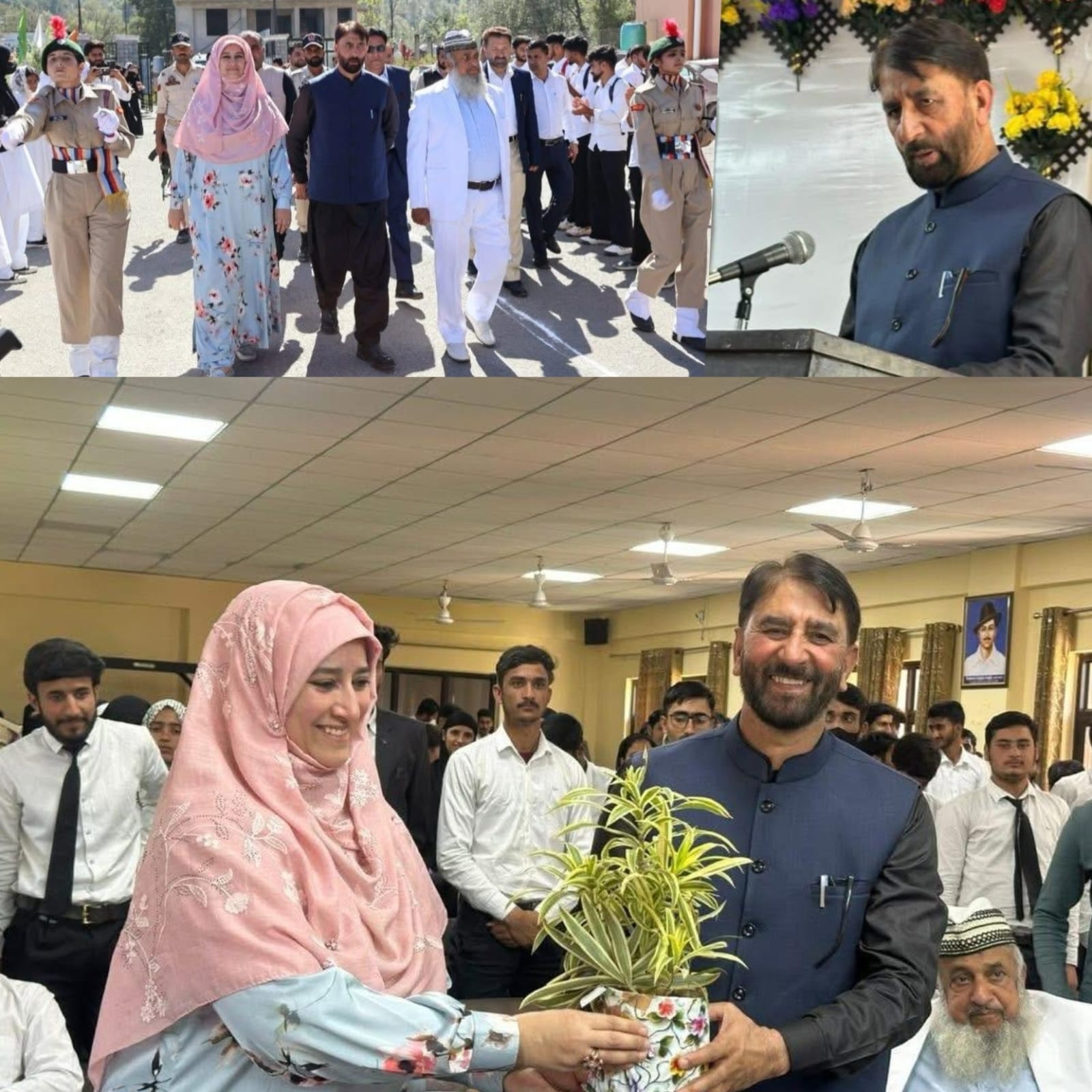
Er. Chowdhary Mohammad Akram, Member Legislative Assembly, was the Chief Guest of the event. The seminar featured insightful lectures by eminent speakers including Dr. Arif Wali (Associate Director, Land Resources Division, TERI), Prof. Shabir Hussain Shah (retired Principal), and Jhanghir Hussain Mir (environmental thinker and activist). The event witnessed active participation from students, local community members, and social organizations, making the sessions highly engaging and interactive.
The proceedings began with the National Anthem, followed by a welcome address by Prof. Fateh Mohammad Abasi, Head, Department of Zoology. He extended a warm welcome to all guests and participants, commending the joint initiative of GDC Surankote and TERI in fostering academic and community collaboration for disaster management and environmental resilience.
In his address, Chief Guest Er. Chowdhary Mohammad Akram, an engineer by profession, analyzed the root causes of frequent landslides and erosion in the Pir Panjal region. Highlighting issues such as deforestation, poor drainage, and unscientific urban planning, he emphasized the need for slope stabilization, eco-friendly infrastructure, and sustainable land-use strategies. He appreciated Prof. (Dr.) Rani Mughal, Principal GDC Surankote, for organizing the seminar and assured full governmental support for strengthening community-based disaster preparedness and integrating scientific research into development planning.
In his virtual address, Dr. Arif Wali discussed the functioning of the Intergovernmental Panel on Climate Change (IPCC) and the rising impact of greenhouse gases on ecosystems. He explained the concept of carbon trading and shared community-driven resilience success stories from the Sundarbans Tiger Reserve, stressing that investment in prevention and preparedness yields far greater benefits than post-disaster recovery.
Prof. Shabir Hussain Shah highlighted environmental challenges in the Rajouri–Poonch region, including illegal mining, poor land management, and unplanned urbanization. He raised concern over the Surankote river belt, where heavy soil erosion has turned the water red, threatening agricultural sustainability. He urged policymakers and academics to collaborate for sustainable land-use and soil conservation.
Er. Zia Ur Rehman, a specialist in Soil Mechanics and Foundations, presented case studies from Kalaban and Mendhar, explaining how deforestation and unregulated construction weaken soil cohesion and increase landslide risks. He recommended mandatory soil testing and environmental impact assessments for developmental projects in hilly terrains.
Nazir Hussain Qureshi emphasized the importance of conserving natural resources, especially water, and encouraged sustainable housing and watershed management aligned with local topography.
Students also presented research papers on the seminar theme, addressing topics such as climate change adaptation, community-based disaster management, and environmental conservation. The panel of judges—Dr. Ashfaq Mughal (HoD Geography), Prof. Rizwan Khan (HoD Physics), and Dr. Prince Sharma (Assistant Professor, Zoology)—evaluated the presentations.
- First Prize: Syed Tahir Sajad (Semester I)
- Second Prize: Adrees Ahmed Rather
- Third Prize: Asma Badar
The inclusion of Allama Iqbal’s Kalam added a thoughtful cultural dimension to the event.
In his address, Jhanghir Hussain Mir linked environmental consciousness with moral and spiritual values, drawing inspiration from the story of Hazrat Nuh (A.S.). He advocated for renewable energy adoption, especially solar and wind projects at Pir Ki Gali, and paid tribute to the late M.B. Mughal, whom he described as “a great environmentalist” and a lifelong inspiration.
In her closing remarks, Prof. (Dr.) Rani Mughal, Principal GDC Surankote, expressed satisfaction over the successful collaboration with TERI and the active participation of students and experts. She emphasized shifting from a “reactive response system” to a “proactive culture of awareness and preparedness.”
The event concluded with a Vote of Thanks delivered by Prof. Abdul Karim, who expressed gratitude to all dignitaries, guests, and participants for their valuable contributions to the seminar’s success.