






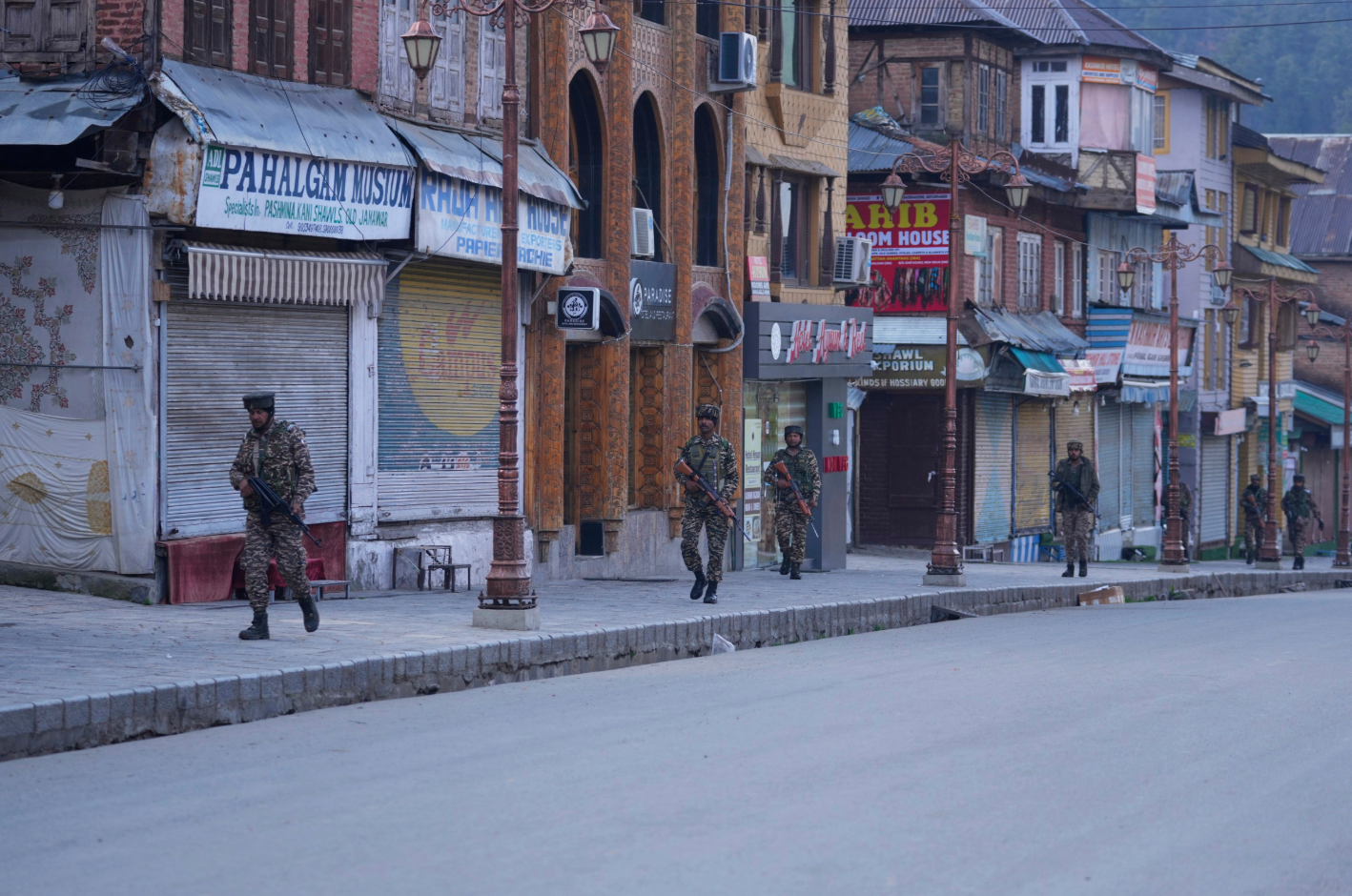
SRINAGAR, Dec 3: In the aftermath of the Pahalgam attack and subsequent disturbances, official figures reveal that out of 64,029 business units affected across Jammu and Kashmir, only 7,752 have been rehabilitated so far. The data highlights the slow pace of recovery and rehabilitation for thousands of traders and entrepreneurs whose livelihoods were disrupted during the prolonged period of unrest.
According to government records, the rehabilitation process has been uneven, with many business owners still awaiting compensation or assistance to restart operations. While some units have received financial support and relief packages, a large number continue to struggle with losses, damaged infrastructure, and lack of access to credit facilities.
Officials acknowledged that the rehabilitation programme has faced challenges, including verification of claims, limited resources, and procedural delays. They said efforts are being made to streamline the process and ensure that genuine claimants are not left out. However, business associations have expressed dissatisfaction, pointing out that the gap between affected and rehabilitated units remains significant.
Traders in Pahalgam and other disturbed areas said that the prolonged disruption not only caused financial losses but also eroded customer confidence. Many small shopkeepers and service providers have been unable to resume operations, while larger establishments have struggled to recover from debt and supply chain breakdowns.
Community leaders and business bodies have urged the administration to expedite relief measures and adopt a more transparent mechanism for disbursing compensation. They stressed that rehabilitation is not just about financial aid but also about restoring confidence, rebuilding infrastructure, and ensuring long-term sustainability of local economies.
The figures underline the continuing fallout of the disturbances, with thousands of families dependent on affected business units still facing uncertainty. The administration has assured that rehabilitation remains a priority and that steps are being taken to close the gap between promises and delivery.