






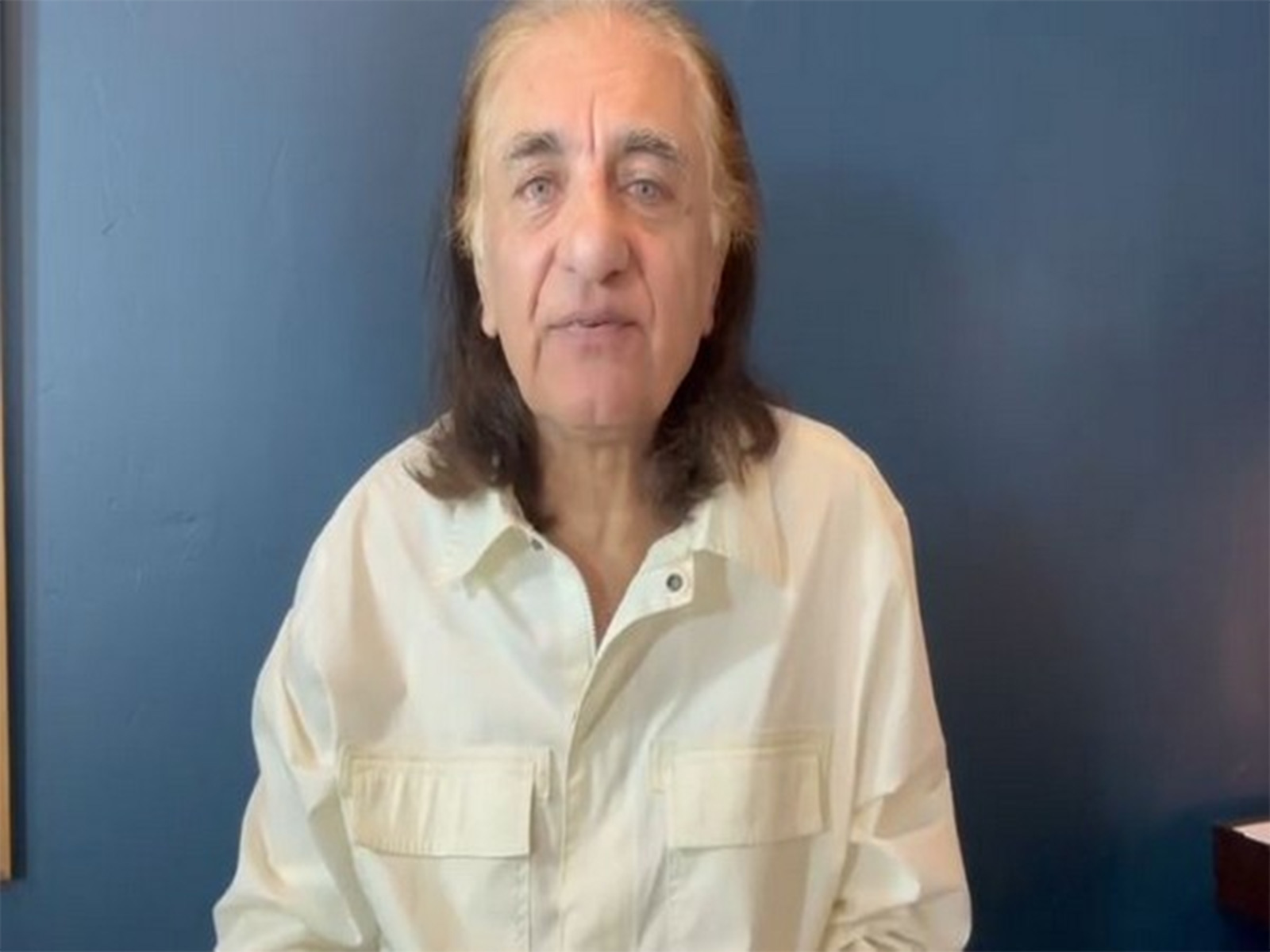
London [UK]: Amjad Ayub Mirza, a leading political activist from Pakistan-occupied Jammu and Kashmir (PoJK), has strongly condemned Pakistan for decades of exploitation, neglect, and repression in the region, describing October 22 as a “day of grief and mourning” for PoJK.
In a video message, Mirza recalled the horrific events of 1947 when Pakistani forces and tribal militias invaded PoJK, killing over 100,000 civilians and displacing countless families.
“On this day, Pakistan’s army destroyed families, massacred innocents in the name of religion, and seized our land — which it continues to occupy illegally,” he said.
Mirza cited the massacre at Ali Baig near Mirpur, where nearly 20,000 Hindus and Sikhs were brutally killed between November 1947 and March 1948.
He lamented that the regions of PoJK and Pakistan-occupied Gilgit-Baltistan (PoGB) remain deprived of basic amenities such as healthcare, education, and infrastructure.
“There are no MRI or CT scan machines, no vaccines for snake or dog bites, and no functional rural health centres,” Mirza stated, adding that poor roads in the hilly terrain frequently cause fatal accidents.
He further pointed out that more than 800 schools damaged in the 2005 earthquake still lie in ruins, forcing children to study under open skies.
Rampant unemployment, he said, compels many youth to leave the region in search of work abroad after undergoing basic vocational training as welders, electricians, or plumbers.
Mirza also denounced Pakistan’s political and religious stranglehold over PoJK, noting that candidates are compelled to pledge allegiance to Pakistan’s ideology and its two-nation theory before being allowed to contest elections or secure government employment.
“There are no civil or political rights,” he asserted. “If you protest, you are shot.”
Concluding his remarks, Mirza urged India to acknowledge the growing resentment among the people of PoJK.
“After 78 years of occupation and denial of rights, the people are yearning for freedom from Pakistan. It is time India takes serious note of their struggle,” he emphasized.