






Muzaffarabad: The hills of Muzaffarabad are reeling under an unprecedented water crisis as natural springs in villages surrounding the Neelum-Jhelum Hydropower Project (NJHP) have begun to dry up. Residents of Pakistan-occupied Jammu and Kashmir (PoJK) blame the project’s underground tunnel system for diverting water channels and depleting their long-standing sources.
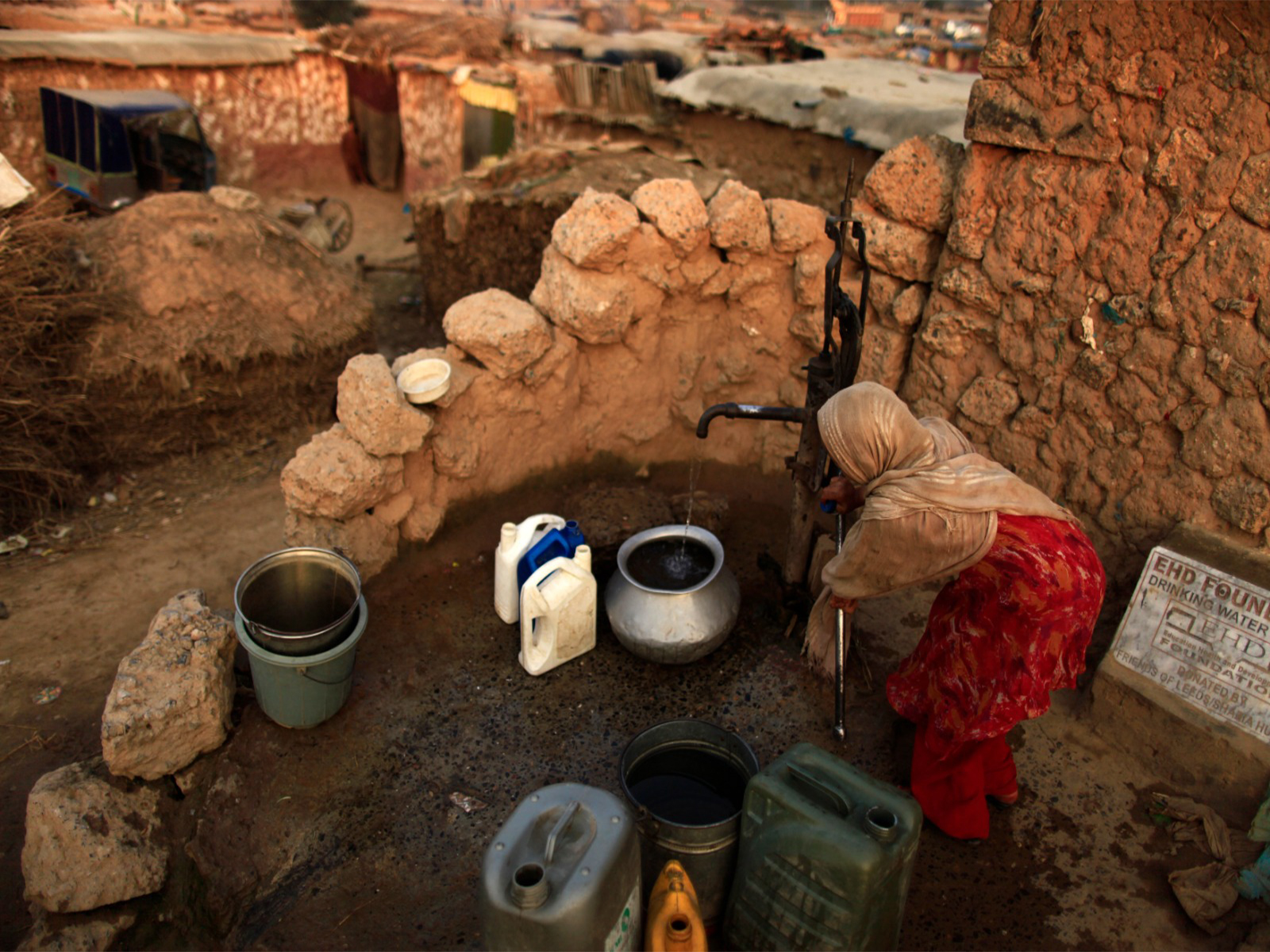
Once abundant with fresh spring water, these villages are now struggling for survival. Locals say the construction of the hydropower tunnel disrupted underground water flow, cutting off entire communities from their primary water supply. “The springs we relied on for generations have vanished,” said one villager. “Now, we have to travel kilometres to fetch water, sometimes hiring vehicles just to bring enough for drinking and livestock.”
The crisis has devastated the rural economy. Families dependent on agriculture and cattle rearing are being forced to sell their livestock, unable to sustain them without water. “When there’s no water for people, how can there be for cattle?” said another resident.
With the government failing to deliver on promises of restoring local water sources and offering compensation, many villagers are left paying thousands of rupees to private suppliers for limited water—an expense most labourers cannot afford. The worsening situation has forced several families to migrate to Muzaffarabad city in search of relief.
“The Neelum-Jhelum project may be generating power, but it has drained the life out of our villages,” said a community elder. “Water is our basic right. Without it, there can be no life, no livelihood.”
As residents continue their daily struggle for every drop, the once-thriving villages of PoJK stand as a stark reminder that unchecked development without sustainability can exact a devastating human cost.