






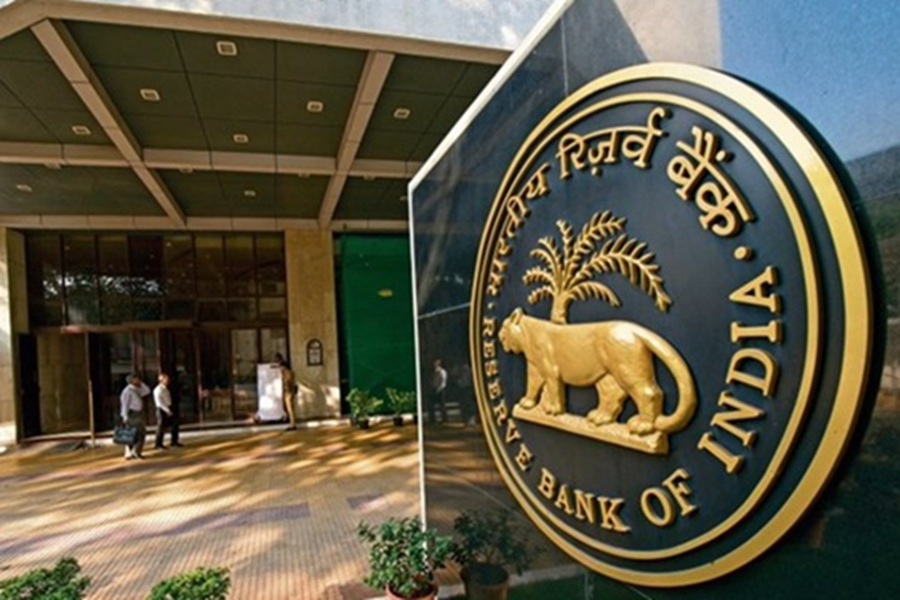
New Delhi, Dec 02: Reserve Bank of India (RBI) Governor Sanjay Malhotra today unveiled the National Strategy for Financial Inclusion 2025-30, outlining a roadmap to expand access to banking, digital payments, and credit facilities across the country. The initiative aims to ensure that every household and business can participate in India’s growing financial ecosystem.
Governor Malhotra emphasized that financial inclusion is central to India’s economic resilience. “Our goal is to empower citizens by providing them with affordable, reliable, and secure financial services. This strategy reflects our commitment to inclusive growth,” he said during the launch event in New Delhi.
The strategy was developed in consultation with Finance Minister Nirmala Sitharaman and key stakeholders from the banking sector. It focuses on strengthening digital infrastructure, promoting financial literacy, and supporting small and medium enterprises (SMEs) through easier access to credit.
Deputy Governor Michael Patra highlighted that the plan will prioritize rural and underserved regions. “We want to bridge the gap between urban and rural financial access. Technology will play a vital role in achieving this,” he noted.
Industry leaders, including State Bank of India Chairman Dinesh Khara and HDFC Bank CEO Sashidhar Jagdishan, welcomed the strategy, calling it a timely step to align India’s financial sector with global best practices. They pledged support in implementing measures that will benefit millions of customers.
Finance Minister Nirmala Sitharaman praised the RBI’s initiative, stating that financial inclusion is a cornerstone of India’s development agenda. “This strategy will strengthen our vision of a digitally empowered economy where every citizen has equal access to opportunities,” she remarked.
The National Strategy for Financial Inclusion 2025-30 sets measurable targets for expanding digital payment adoption, increasing credit penetration, and enhancing financial literacy programs. Officials confirmed that progress will be reviewed annually to ensure accountability and transparency.