






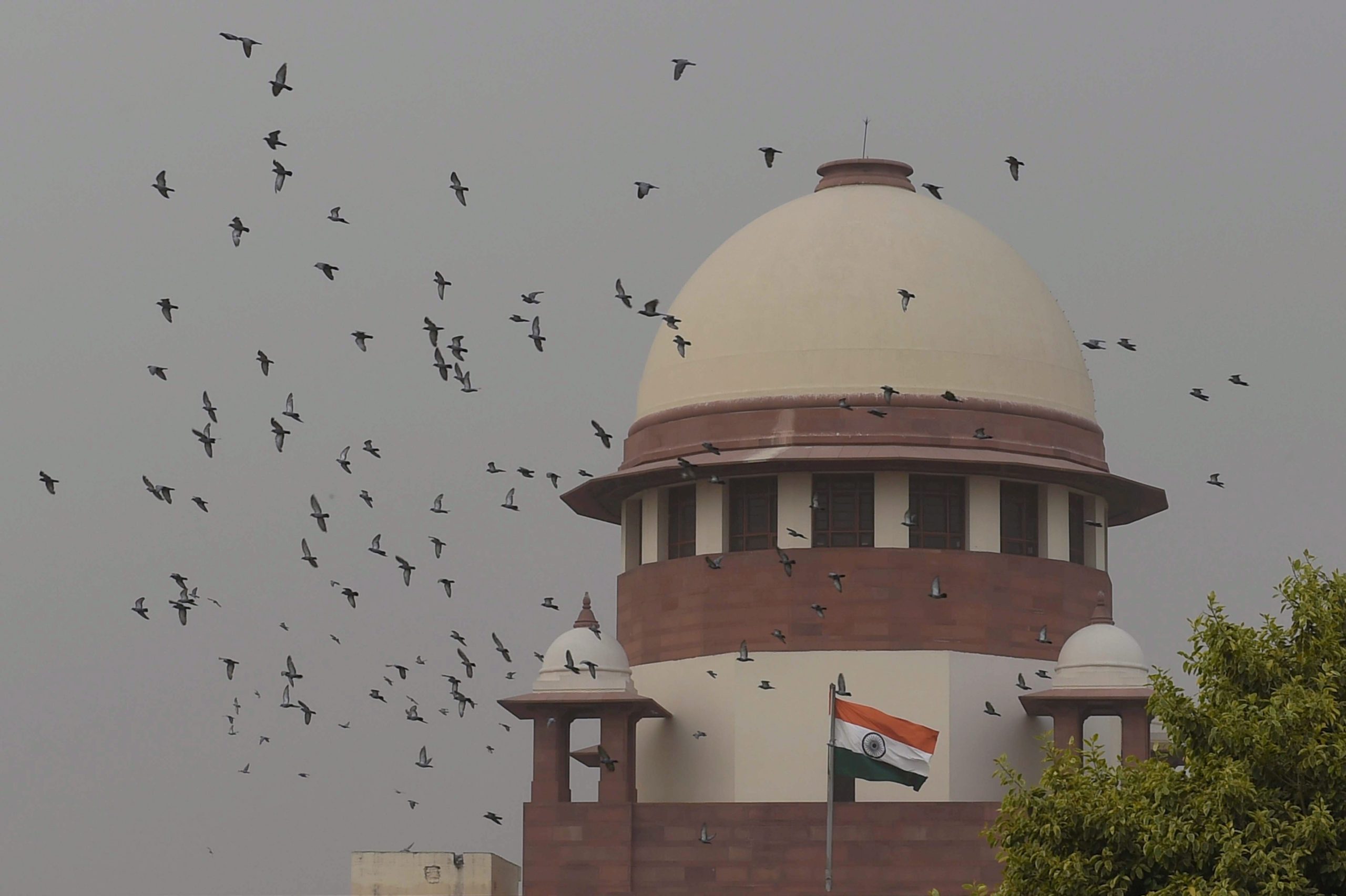
New Delhi: The Supreme Court on Wednesday directed all high courts across the country to create a dashboard on their official websites to enhance transparency and accountability. The dashboard must display details of judgments reserved after January 31, verdicts delivered, and the dates on which these decisions were uploaded.
A bench of Justices Surya Kant and Joymalya Bagchi, expressing concern over several high courts — including the Jharkhand High Court — delaying pronouncement of judgments for years even after final arguments, said such data must be publicly accessible.
“Let everyone know how many judgments were reserved, how many were delivered, and when they were uploaded,” Justice Kant said. Justice Bagchi added that a dedicated dashboard would reflect the judiciary’s accountability to the public.
The court was hearing multiple pleas, including one filed by several death-row and life convicts who complained that the Jharkhand High Court failed to pronounce judgments on their appeals for years after reserving them. Following the Supreme Court’s intervention, the Jharkhand High Court delivered its pending verdicts, with many convicts subsequently acquitted. Other inmates from Jharkhand later approached the apex court with similar grievances.
Expanding the scope of the case, the Supreme Court sought data from all high courts on judgments that remained pending despite being reserved for months. On Wednesday, amicus curiae Fauzia Shakil informed the bench that seven high courts had still not submitted the required information. The bench then directed the high courts of Allahabad, Punjab & Haryana, Patna, Jammu–Kashmir & Ladakh, Kerala, Telangana, and Gauhati to file their reports within two weeks, warning that their registrar generals would otherwise have to appear in person.
The court also asked high courts to share suggestions on improving public dissemination of information and to highlight any concerns or difficulties related to making judgment data public. Justice Kant clarified that the dashboard would not display case-specific details but would reflect the total number of reserved judgments since January 31, the number of judgments delivered, and their upload dates.
The Supreme Court has previously expressed concern about delays in judgment delivery. On September 22, it remarked that some high court judges were failing to meet expectations and emphasized the need for performance evaluation. Though reluctant to act like a “school principal,” the court said mechanisms should be in place to ensure work does not stagnate.
The bench has earlier pointed out issues such as unnecessary adjournments, pending judgments, and excessive breaks taken by some judges. In previous hearings, it even suggested that judges take leave specifically to write pending verdicts.
The court has consistently stressed that the delays highlighted by Jharkhand’s life and death-row convicts raise issues “of paramount importance” that strike at the heart of the criminal justice system.