






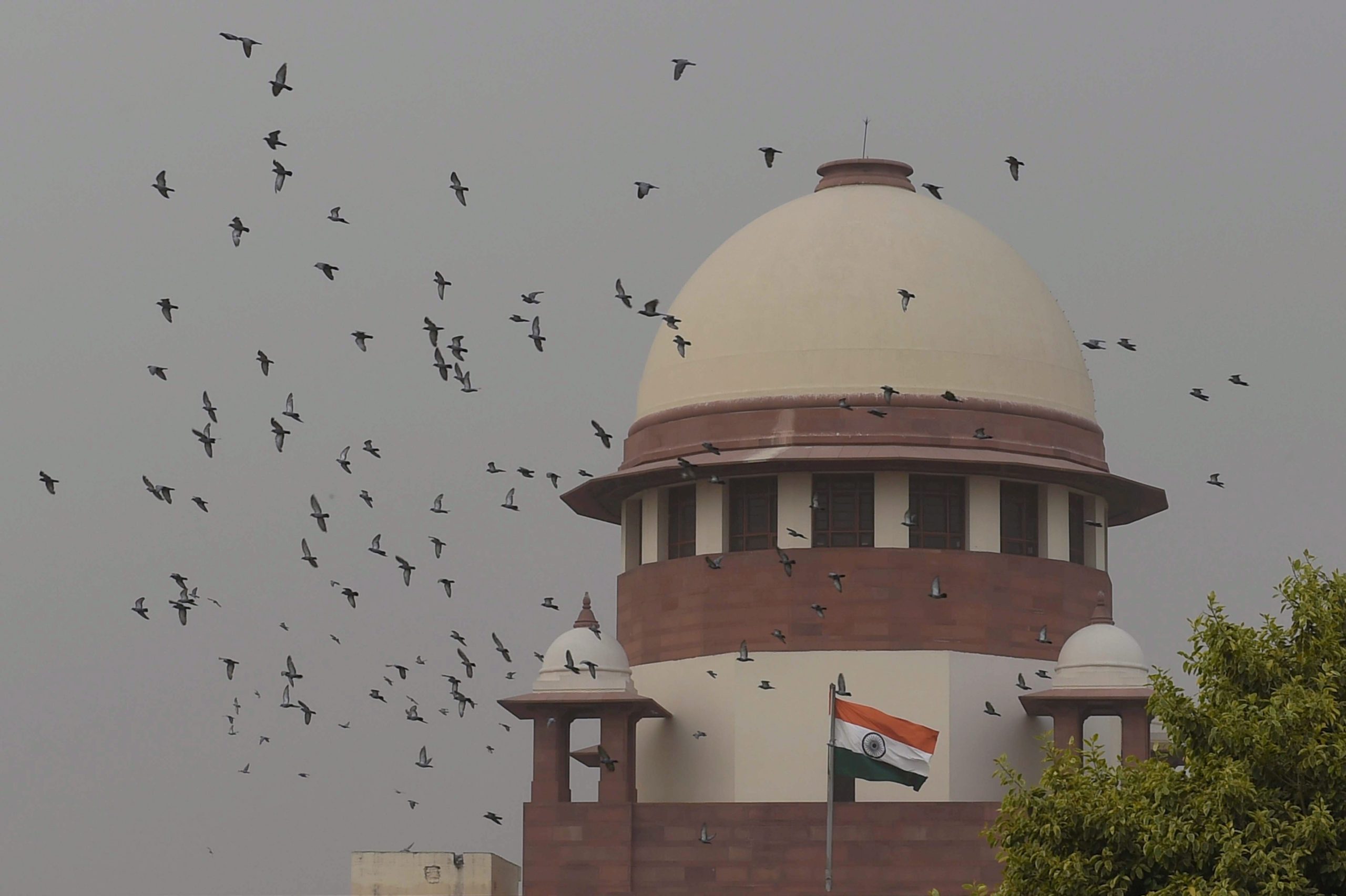
New Delhi: The Supreme Court on Friday stressed the need to ensure strict compliance with its earlier directions regarding the construction and availability of toilets in all court premises and tribunals across the country. The court said these measures must be “duly and scrupulously complied with” to make the facilities truly meaningful.
The matter, concerning compliance with the court’s January 15 verdict, came up before a bench of Justices J.B. Pardiwala and K.V. Viswanathan. In that verdict, the apex court had directed all high courts, states, and Union territories to ensure separate and accessible toilet facilities for men, women, persons with disabilities, and transgender individuals in every court and tribunal.
On Friday, the bench observed, “What is necessary now is to ensure that the directions are duly and scrupulously complied with to make the facilities more meaningful.”
In its earlier order, the Supreme Court had directed each high court to form a committee to oversee the implementation and maintenance of these facilities, ensuring that they are clearly identifiable and accessible to judges, lawyers, litigants, and court staff. It had also asked states and Union territories to allocate sufficient funds for construction, upkeep, and cleanliness of toilets, with periodic reviews in consultation with the respective committees.
The bench noted that several high courts had submitted status reports and said, “It is now up to the committees in each high court to ensure that the housekeeping departments engaged are strictly following the directions laid down in the main judgment.” The court sought updated reports from all high courts within six months and scheduled the next hearing accordingly.
Earlier, the apex court had underscored that public health and sanitation are integral to the right to dignity, adding that proper toilet facilities safeguard privacy and protect women and transgender persons.
“Courts should not be places where basic needs such as sanitation are overlooked or neglected. The absence of adequate washroom facilities undermines equality and poses a barrier to the fair administration of justice,” the court had observed.
The ruling came in response to a petition seeking the availability of proper toilet facilities in all courts and tribunals for all genders, including persons with disabilities.