






Supreme Court: Courts Cannot Be Used as Recovery Agents, Warns Against Criminalizing Civil Disputes
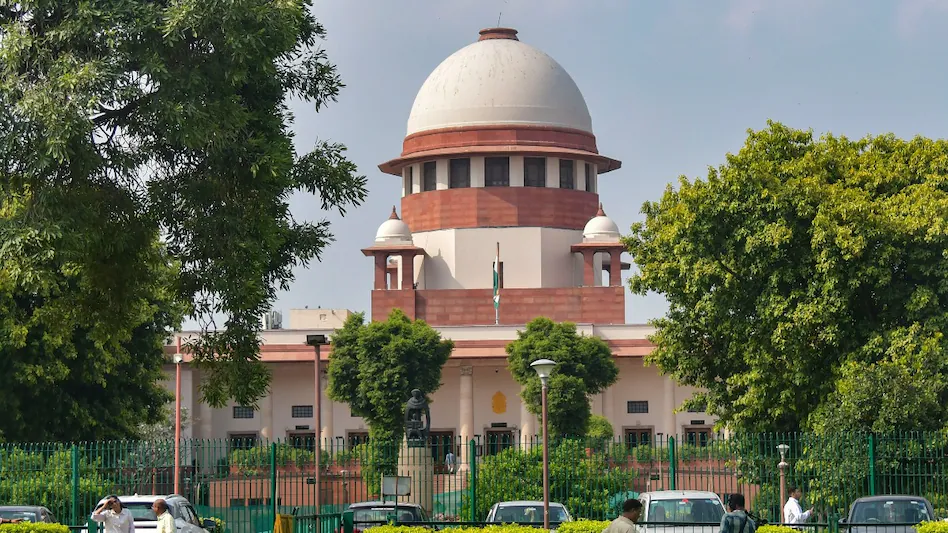
New Delhi: The Supreme Court has cautioned that courts cannot act as recovery agents and criticized the growing practice of converting civil disputes into criminal cases.
A bench of Justices Surya Kant and N. Kotiswar Singh noted that the threat of arrest should not be exploited to recover outstanding amounts. The judges highlighted a rising trend where parties file criminal complaints in disputes that are essentially civil in nature.
These observations came on Monday in a criminal case from Uttar Pradesh, where kidnapping charges had been filed in a money-recovery dispute. Additional Solicitor General K.M. Nataraj, representing the UP government, pointed out that police often face a dilemma: if they refuse to register a case where a cognizable offence is alleged, courts may reprimand them; if they register it, they may be accused of bias or procedural lapses.
Justice Kant acknowledged the police predicament, referencing the 2013 Lalita Kumar judgment, which obliges the registration of FIRs for cognizable offences. The bench advised law enforcement to carefully determine whether a dispute is civil or criminal before making arrests, warning that misuse of criminal law threatens the justice system.
“Courts are not recovery agents for parties seeking to recover outstanding amounts. This misuse of the judicial system cannot be allowed,” Justice Kant emphasized. The court also suggested that states appoint a nodal officer—preferably a retired district judge—for each district to guide police on whether an issue is civil or criminal, ensuring proper legal procedure.
The bench asked Nataraj to obtain instructions on this proposal and update the court within two weeks. The Supreme Court has repeatedly flagged the trend of parties using criminal cases to expedite resolution of civil disputes.