






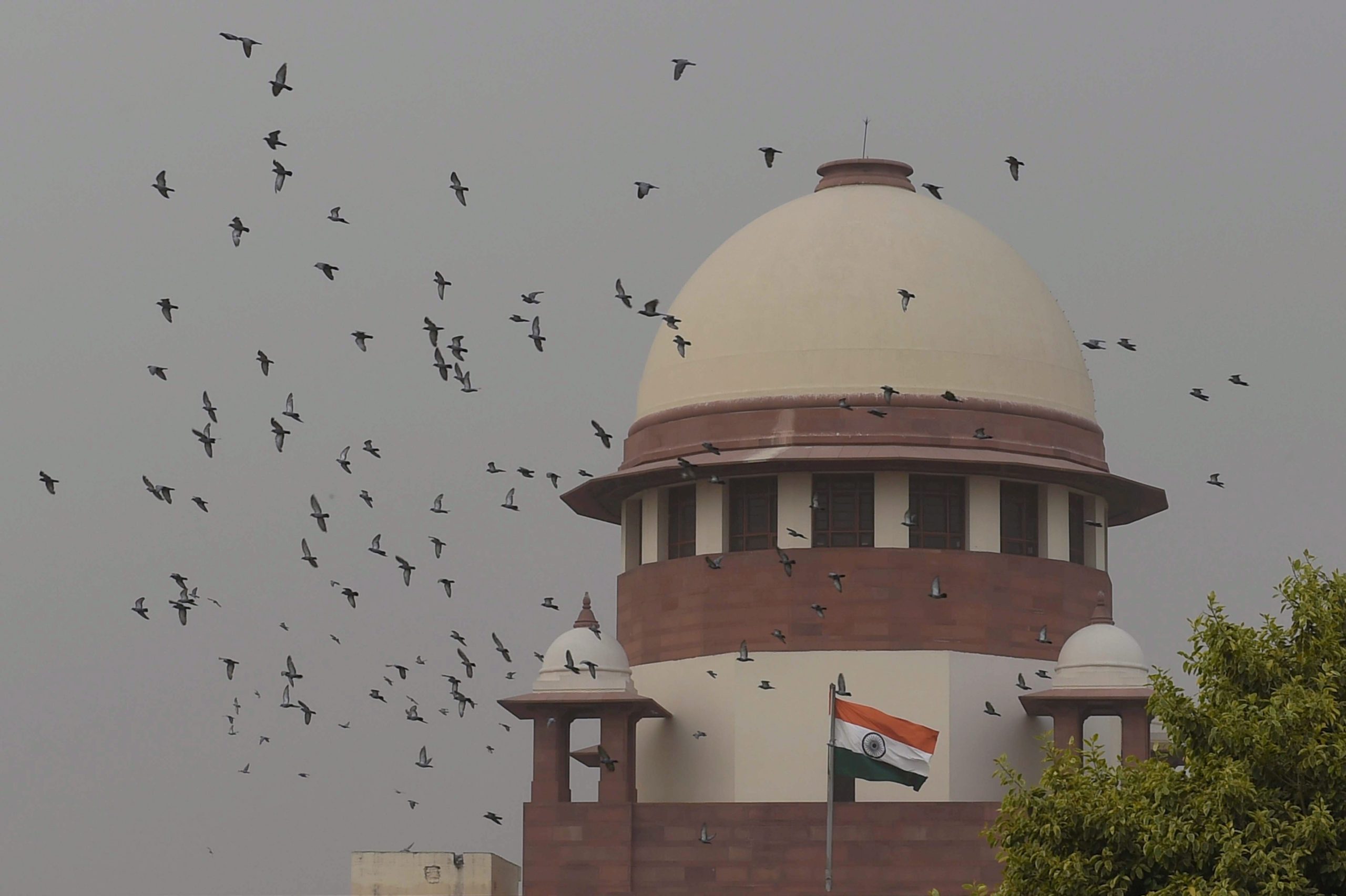
NEW DELHI: The Supreme Court has ruled that State Bar Councils and the Bar Council of India (BCI) cannot charge any “optional” fees beyond the statutory fees for law graduates enrolling as lawyers. The court directed the Karnataka State Bar Council to immediately stop collecting such fees.
A bench of Justices J. B. Pardiwala and R. Mahadevan issued this order on a contempt petition filed by K. L. J. A. Kiran Babu. The petitioner alleged that the Karnataka State Bar Council was not following the Supreme Court’s July 2024 directive against charging excessive fees to enrolling law graduates.
In its affidavit, the Bar Council of India stated that all State Bar Councils were complying with the court’s orders. It noted that the Rs 6,800 fee charged by Karnataka for ID cards, certificates, welfare funds, training, and the additional Rs 25,000 beyond statutory fees were optional, not mandatory.
However, the bench clarified in its August 4 order: “There is no such thing as an optional fee. Neither any State Bar Council nor the Bar Council of India shall collect any fee as optional. They must strictly follow the fees prescribed by this court’s main judgment.”
The court emphasized that if the Karnataka State Bar Council continues to collect any amount labeled as optional, it must stop immediately.
During the hearing, BCI chairman and senior advocate Manan Kumar Mishra said that following the Supreme Court’s July 2024 verdict, the BCI had sent a letter to all State Bar Councils on August 6, instructing them to strictly follow the court’s judgment regarding enrolment fees.
Mishra added that the BCI firmly believes all State Bar Councils are now complying with the court’s order and provided a detailed chart of fees charged by various state bar bodies.
Last year on July 30, the Supreme Court had ruled that State Bar Councils cannot charge exorbitant enrolment fees, as doing so discriminates against marginalized and economically weaker sections and restricts their access to the legal profession.
The court found that some State Bar Councils charging fees from Rs 15,000 to over Rs 40,000 violated the principle of substantive equality. It ruled that neither the State Bar Councils nor the BCI can change the fee structure set by Parliament under the Advocates Act, 1961.
The maximum enrolment fees allowed are Rs 750 for general category law graduates and Rs 125 for those from SC/ST categories.
The Supreme Court held that charging excess fees violates Articles 14 (Right to Equality) and 19(1)(g) (Right to Practice Profession) of the Constitution.
It also clarified that its ruling applies prospectively and State Bar Councils are not required to refund excess fees collected before the judgment.