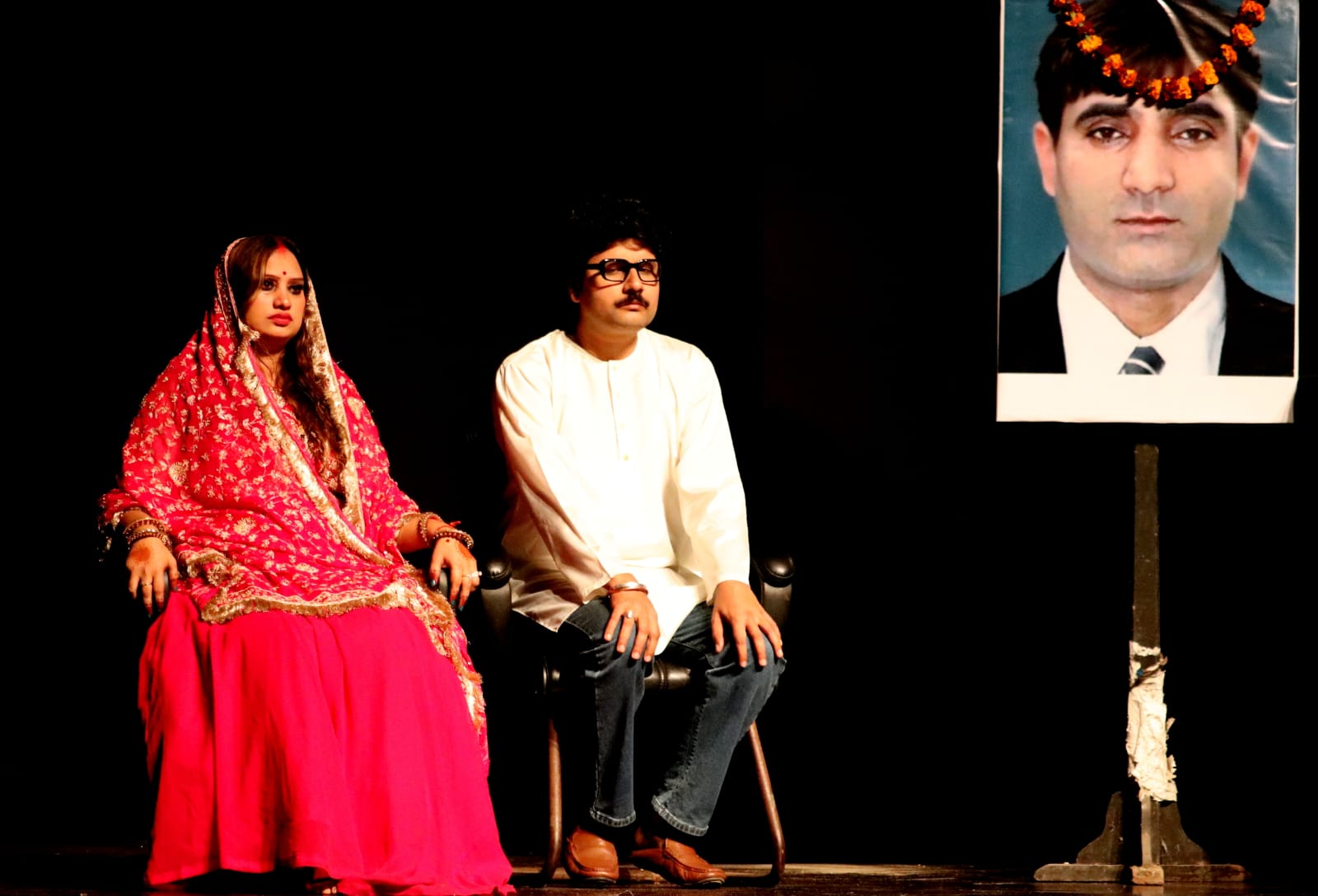







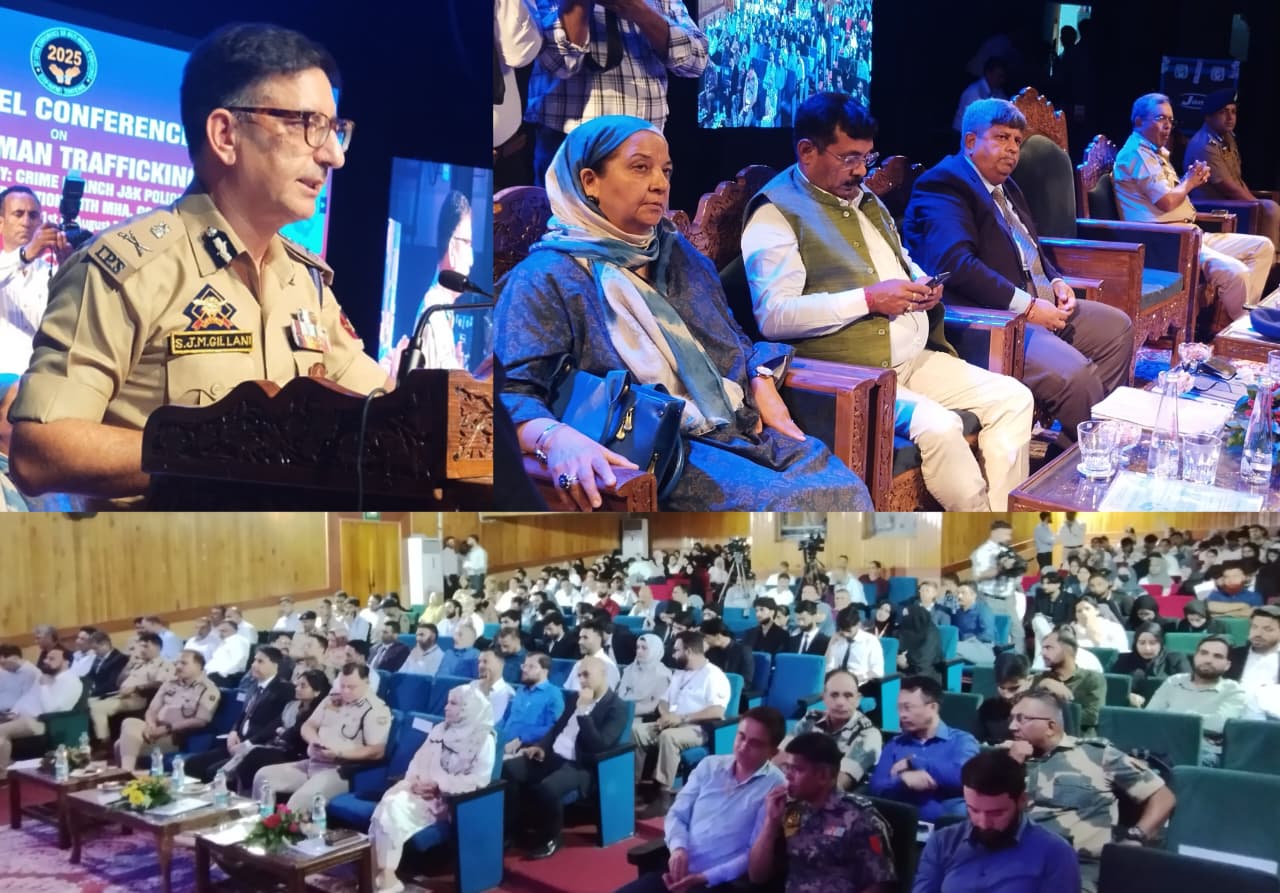
Srinagar: The Crime Branch of Jammu and Kashmir Police, in collaboration with the Union Ministry of Home Affairs and the Academy of Art, Culture and Languages, on Thursday organised a Union Territory-level conference on Anti-Human Trafficking at Tagore Hall, Srinagar.
The event brought together senior police officials, government representatives, legal experts, NGOs, and other stakeholders to discuss strategies, challenges, and collaborative measures to combat human trafficking.
Special DG Coordination PHQ, S.J.M. Gillani, the chief guest, highlighted the legal framework, prosecution challenges, and the wider criminal networks linked to trafficking. He noted that traffickers often operate through the same smuggling routes used for drugs and arms, but what makes trafficking unique is its human cost — “shattered lives, broken families, and long-lasting trauma.” Stressing that enforcement alone is insufficient, Gillani called for empathy, rehabilitation, and stronger prevention efforts, particularly in border and conflict regions.
He underlined that education, economic security, and rights awareness are key to reducing vulnerabilities and added that technology-driven surveillance and data-based interventions could strengthen anti-trafficking efforts. “Laws alone are not enough; it is their implementation, empathy of enforcers, and awareness of citizens that will turn the tide,” he said.
Commending the role of the J&K Police Crime Branch, NGOs, and the Ministry of Home Affairs, he pointed to national initiatives such as the Trafficking in Persons (Prevention, Protection and Rehabilitation) Bill, strengthening of Anti-Human Trafficking Units (AHTUs), and programs like Operation Muskan.
ADGP & Director Fire and Emergency Services, Alok Kumar, in his remarks, linked trafficking to the global flow of black money. Despite strong laws and conventions, he noted, the crime persists and continues to grow. He stressed that awareness through social media, community involvement, and deterrence via strict punishments are crucial in tackling the menace.
Ravi Kant, Convenor of Just Rights for Children, said traffickers exploit enforcement gaps, making it difficult to arrest and prosecute high-level offenders. He called for a comprehensive approach — tighter laws, effective enforcement, stronger victim protection, and greater collaboration between police, civil society, and international agencies.
Resource person Rajesh Mani, an expert trainer on human trafficking, spoke on best practices in prevention, victim support, and multi-agency coordination, while highlighting challenges and the organised nature of the crime.
Earlier, IGP Crime Sujit Kumar, in his welcome address, urged collective commitment to this “noble mission” and encouraged youth to draw lessons from the knowledge shared at the conference.