






WHO Issues Global Alert Over Substandard Cough Syrups Linked to Child Deaths in India
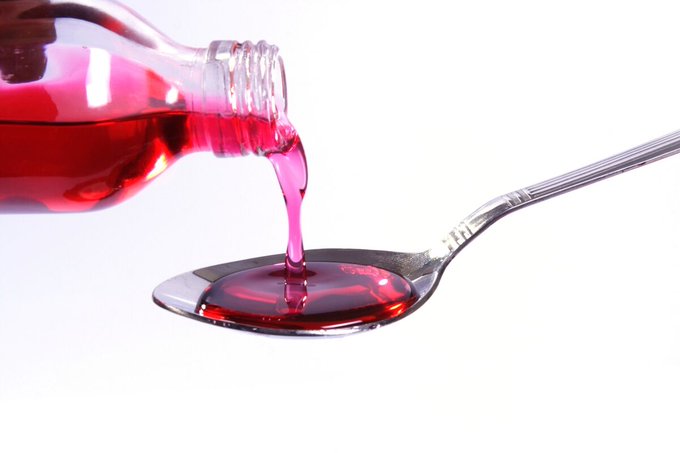
New Delhi: The World Health Organisation (WHO) has issued a global alert against three substandard oral cough syrups identified in India — Coldrif, Respifresh TR, and ReLife — urging regulatory authorities worldwide to remain vigilant and immediately notify the agency if these products are found in their countries.
The warning follows reports of at least 22 child deaths in Madhya Pradesh, mostly among children under five, suspected to be caused by kidney failure after consuming Coldrif. Additionally, three more child deaths have been reported in Rajasthan in similar circumstances.
WHO has called for heightened surveillance of pharmaceutical supply chains, especially in informal or unregulated markets, to prevent the circulation of these unsafe medicines.
According to the alert, India’s Central Drugs Standard Control Organization (CDSCO) detected the presence of Diethylene Glycol (DEG) — a toxic and potentially fatal chemical — in the syrups. The discovery, made on October 8, followed WHO’s earlier identification of localised clusters of acute illness and fatalities among children on September 30.
Following the findings, Indian authorities have suspended manufacturing licences, halted production, and initiated recalls of the affected batches. The contaminated syrups were manufactured by Sresan Pharmaceutical, Rednex Pharmaceuticals, and Shape Pharma.
CDSCO informed WHO that there is no evidence the contaminated medicines were exported from India. However, WHO has urged all National Regulatory Authorities (NRAs) to conduct targeted market checks, especially for products originating from the same manufacturers or produced since December 2024.
The WHO classified the syrups as substandard because they fail to meet quality and safety specifications. DEG contamination poses severe health risks, including abdominal pain, vomiting, diarrhoea, headache, confusion, kidney failure, and in some cases, death.
The organisation has urged healthcare professionals to report any detection of these products or related adverse effects to their national pharmacovigilance systems.
“If you possess any of these products, do not use them,” WHO advised. “Anyone who has consumed them, or suspects someone has, should seek immediate medical attention or contact a poison control centre.”
The alert underscores WHO’s broader warning for countries to tighten oversight of medicine production and distribution to prevent future tragedies linked to toxic cough syrups.