






15 Districts Cross 95% Literacy Mark in J&K
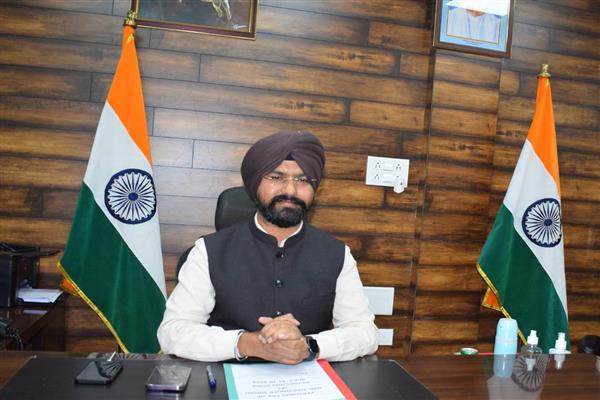
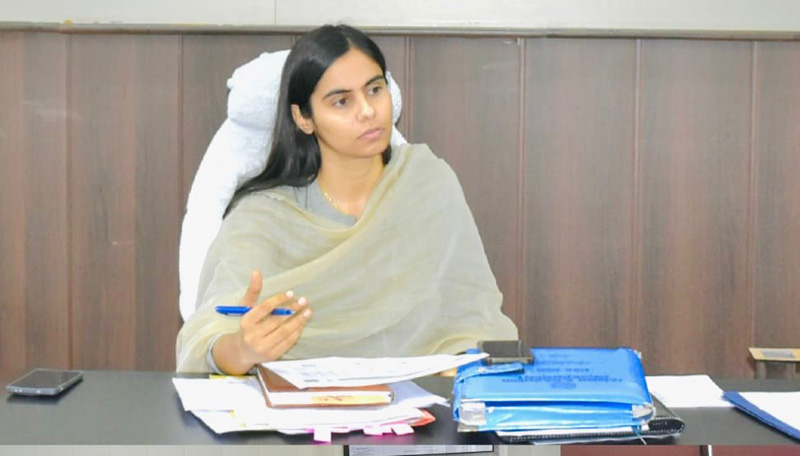
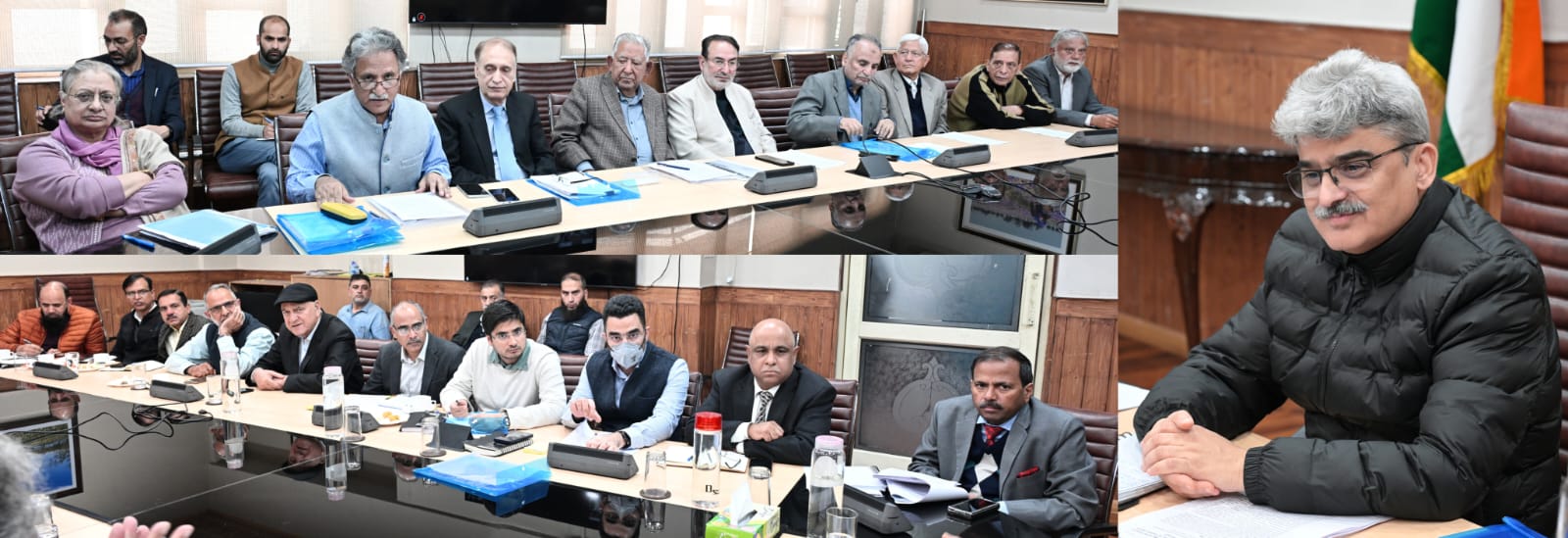
SRINAGAR: Chief Secretary Atal Dulloo today chaired a comprehensive review meeting of the Education Department to evaluate progress in learning outcomes, infrastructure development, and the integration of technology-driven reforms aimed at transforming the education landscape of Jammu and Kashmir.
The meeting was attended by the Secretary, School Education Department; Mission Director, Samagra Shiksha; Director, School Education, Jammu; Secretary, JKBOSE; and other senior officials.
Emphasizing the need for a structured approach, the Chief Secretary directed the department to establish clear milestones and timelines for executing long-term strategic plans. He called for the swift completion of technological initiatives under the Vidya Samiksha Kendra (VSK) to enhance learning outcomes, noting that the progress of these components would be closely monitored.
He further instructed the department to develop a comprehensive roadmap for resolving HR-related concerns, ensuring the rational deployment of teachers, and streamlining service management in the best interest of the teaching community.
During the meeting, Secretary Education, Ram Niwas Sharma informed that 15 districts across the UT have achieved over 95% literacy rate under the ULLAS – Nav Bharat Saksharta Karyakram (NBSK). These include Jammu, Doda, Kathua, Poonch, Rajouri, Samba, Ramban, and Udhampur in the Jammu Division, and Anantnag, Baramulla, Pulwama, Kulgam, Ganderbal, Shopian, and Srinagar in the Kashmir Division.
He also apprised that the department has prepared a five-year perspective plan seeking special Central assistance to address critical gaps in infrastructure and technology. The plan envisions establishing ICT/CAL labs, Smart Classrooms, Vocational and STEM Labs, Virtual Reality setups, AI and Coding kits, and Astrophysics labs. It also focuses on Open Schooling promotion, child-friendly furniture, assessment reforms, skill education integration, and setting up residential schools and hostels.
It was informed that private schools are being encouraged to participate in the VSK initiative, which includes digital attendance tracking for teachers and students, along with access to curated e-learning resources.
The department also plans to review matriculation and higher secondary results from this academic year to ensure greater accountability among teachers. Increased emphasis will be laid on vocational education to boost students’ employability.
Under capacity-building initiatives, 78,975 elementary and 21,926 secondary school teachers have been trained under the NISHTHA programme, in addition to 21,000 trained through DIETs across the UT. Moreover, 1.41 lakh students have undergone vocational training in 1,350 schools through 2,187 vocational trainers. A total of 619 Anganwadi Centres have been co-located with primary schools for effective implementation of the National Education Policy (NEP)-2020.
The meeting also reviewed the progress under PM SHRI and other centrally sponsored schemes, including the Capex Budget. It was informed that substantial progress has been made in implementing the Foundational Literacy and Numeracy (FLN) Mission, and preparations are underway to launch the Personalized Adaptive Learning (PAL) system to strengthen student learning and boost enrolment in government schools.