






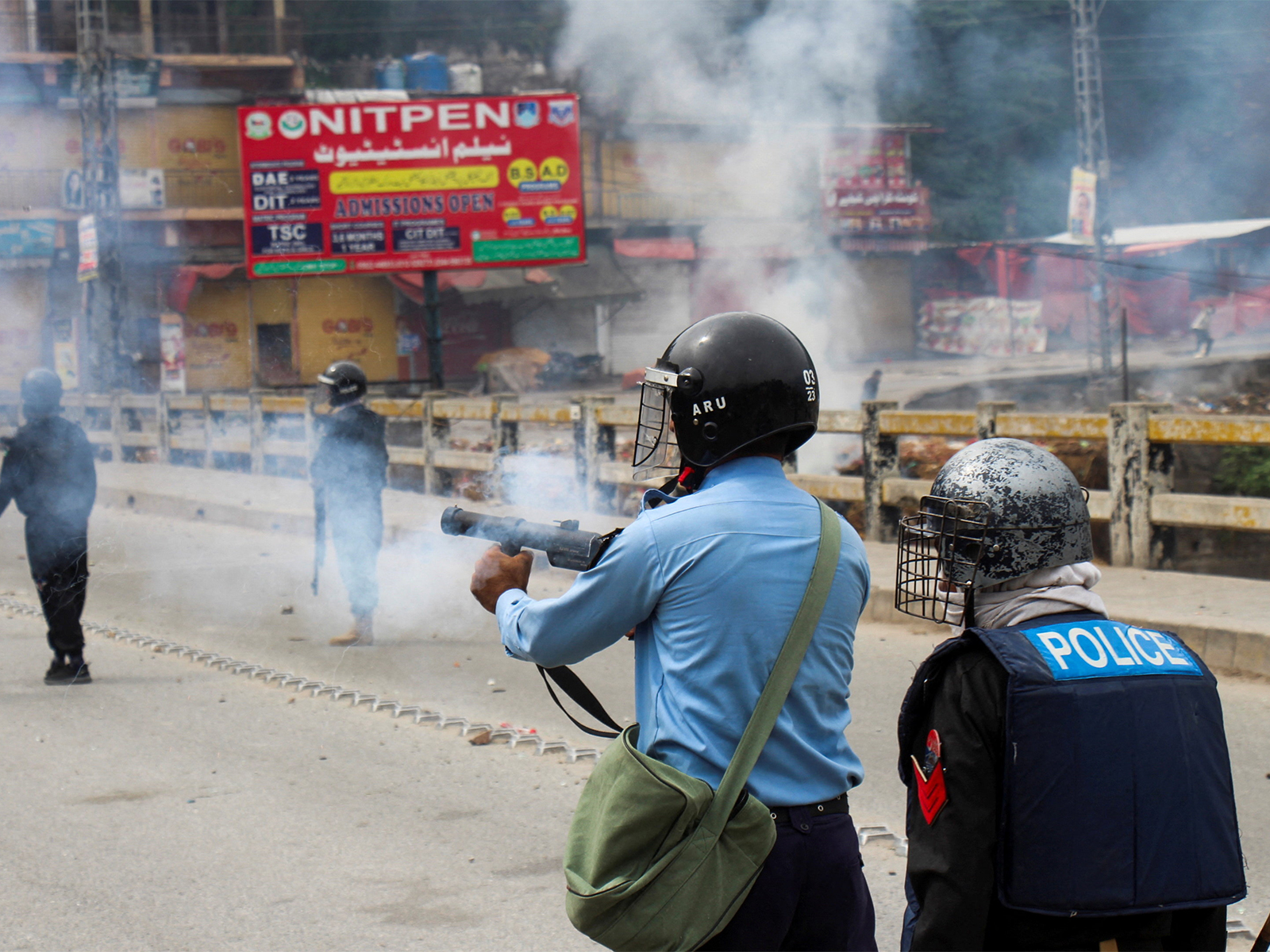
Muzaffarabad [PoJK]: A massive strike across Pakistan-occupied Jammu and Kashmir (PoJK), led by the Joint Awami Action Committee, recently brought daily life to a halt as citizens rallied for free healthcare, free education, and fair internet access.
Senior journalist Roshan Mughal said the protest symbolised growing frustration among people after decades of failed governance and political disunity. Despite a few minor incidents, he noted, the strike remained largely peaceful and showcased a rare sense of unity that transcended tribal and political divides.
“For the past four years, there was no real opposition in PoJK — no one to raise the people’s voice,” Mughal explained. “Lawmakers in the assembly only served their parties and personal interests. Many citizens, whose representatives never reached the assembly, had no voice. This movement has given them renewed hope — that collective action can address the problems of ordinary people and bring real change.”
With 38 key demands — including abolishing disputed refugee seats and ensuring greater public accountability — the movement has reignited optimism among residents. Analysts view this peaceful and united mobilisation as a pivotal moment for PoJK, where Pakistan has long suppressed basic rights and aspirations.
Mughal highlighted that the movement’s strength lay in its focus on shared, essential needs rather than narrow personal interests. “These demands — for affordable flour, internet access, healthcare, and education — reflect the common man’s concerns,” he said. “They represent the collective aspirations of the people.”
For decades, Pakistan has denied the people of PoJK their fundamental rights, governing through repression and neglect. Weak political representation and self-serving legislators have left ordinary citizens marginalised, but this uprising has rekindled their hope for justice and dignity.