







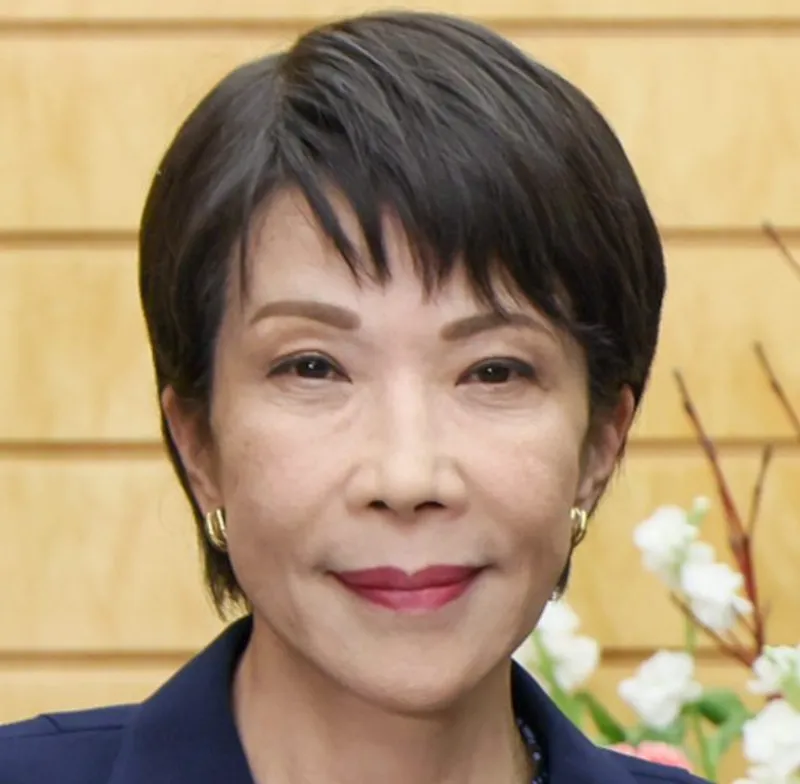
Tokyo: Japan’s parliament on Tuesday elected ultraconservative leader Sanae Takaichi as the nation’s first female prime minister, a day after her embattled Liberal Democratic Party (LDP) secured a coalition deal with a new right-leaning partner expected to shift the government further to the political right.
Takaichi succeeds Shigeru Ishiba, bringing an end to a three-month political deadlock following the LDP’s crushing defeat in the July elections. Ishiba, who served as prime minister for just one year, resigned along with his Cabinet earlier in the day, clearing the way for her appointment.
In the lower house vote to choose Japan’s new leader, Takaichi received 237 votes, four above the required majority, defeating Yoshiko Noda, head of the main opposition Constitutional Democratic Party of Japan, who won 149 votes. Upon the announcement, Takaichi stood and bowed deeply in acknowledgment.
The LDP’s new alliance with the Osaka-based Japan Innovation Party (Ishin no Kai) ensured Takaichi’s victory, as the fragmented opposition failed to unite. However, the fledgling coalition still lacks a majority in both houses of parliament and will need support from other parties to pass legislation — a challenge that could render her government fragile.
“Political stability is essential right now,” Takaichi said during the coalition signing ceremony with Ishin leader and Osaka Governor Hirofumi Yoshimura. “Without stability, we cannot advance economic or diplomatic initiatives.”
The coalition agreement reflects Takaichi’s hawkish and nationalist policy stance, emphasizing defense expansion and constitutional reform.
The deal followed the LDP’s breakup with its long-time centrist partner, the Buddhist-backed Komeito, which cited policy differences and the LDP’s handling of political funding scandals. The split had raised the risk of an opposition takeover before the new alliance was forged.
Later on Tuesday, the 64-year-old leader is expected to unveil a Cabinet dominated by allies of powerful party figure Taro Aso and key supporters from her leadership campaign. Yoshimura confirmed that the Japan Innovation Party would not take ministerial positions immediately, opting to observe the coalition’s stability first.
Takaichi now faces a tight timeline: she is set to deliver a major policy speech this week, hold talks with U.S. President Donald Trump, and attend a series of regional summits. Her immediate priorities include tackling rising prices and drafting economic stimulus measures by December to ease public discontent.
While making history as Japan’s first woman prime minister, Takaichi has shown little interest in promoting gender equality or social diversity. A protégé of the late Shinzo Abe, she backs male-only imperial succession, opposes same-sex marriage, and resists allowing married couples to retain separate surnames.
An admirer of Margaret Thatcher, Takaichi entered politics in 1993 and has held several key positions, including minister of internal affairs and minister for economic security, though her diplomatic experience remains limited.
Komeito’s withdrawal from the coalition was driven by frustration over corruption scandals and unease with Takaichi’s revisionist stance on Japan’s wartime history, as well as her visits to Yasukuni Shrine, a move that often provokes criticism from China and South Korea.
In a sign of moderation, Takaichi refrained from visiting the shrine last week, instead sending a religious offering — a symbolic gesture suggesting a cautious recalibration of her hardline image.